Paris Talks Seek Security Shift for Southern Lebanon
International military leaders are gathering in Paris for urgent discussions aimed at addressing the looming security vacuum in southern Lebanon. As…
Featured image for news article
International military leaders are gathering in Paris for urgent discussions aimed at addressing the looming security vacuum in southern Lebanon. As the United Nations Interim Force in Lebanon (UNIFIL) approaches the end of its nearly 50-year tenure this January, fears of an escalating conflict have forced European and Arab officials to search for viable alternatives to maintain regional stability.
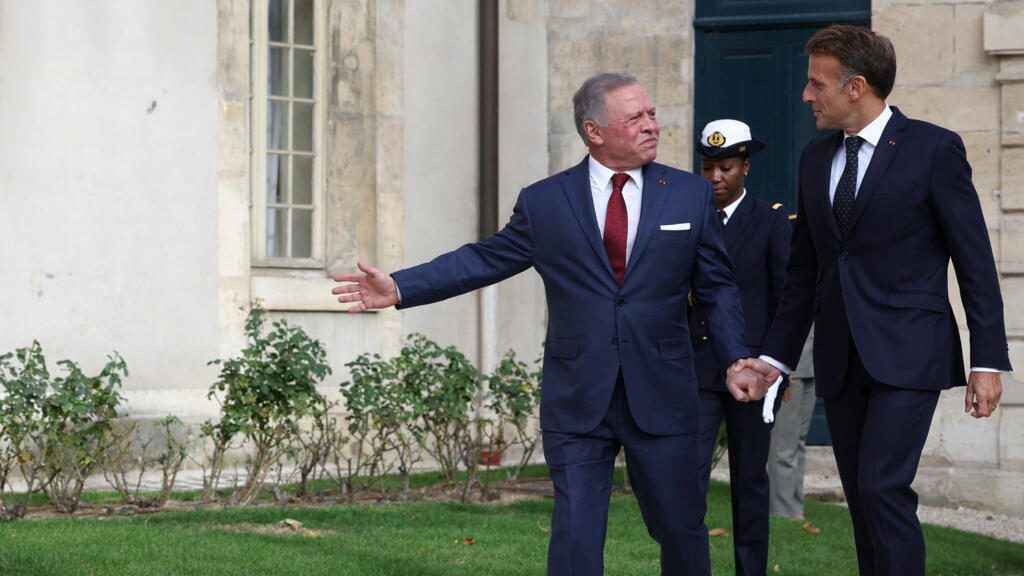
The high-stakes meeting, chaired by French President Emmanuel Macron alongside Lebanese President Joseph Aoun and Jordan’s King Abdullah II, seeks to fortify the Lebanese Armed Forces. A senior United States military official, specialized in Middle East security, is also in attendance to coordinate the international response to ongoing border instability.
Addressing the Post-UNIFIL Reality
The core objective of these discussions is to determine the future of security operations after the 7,500-strong UNIFIL mission concludes. While both Paris and Beirut have publicly advocated for an extension of the current UN mandate, the lack of support from Washington and Tel Aviv has necessitated a shift in strategy. Officials are now exploring the viability of an international mission operating outside of the traditional UN framework.
Proposed alternatives include an EU-led mission or a coalition-backed initiative involving France and Italy. These models would prioritize:
- Enhanced training and tactical mentorship for Lebanese troops.
- Advanced intelligence sharing between regional partners.
- The provision of critical equipment to strengthen national defense.
France has emphasized that the “operational context, parameters, and modalities” of any new deployment must be clarified immediately. Without these prerequisites, officials fear that international support will fail to provide the robust security coverage necessary to prevent further territorial disputes.
A Fragile Ceasefire Under Strain
The diplomatic push comes at a time of extreme volatility. Despite a brokered “ceasefire” intended to protect civilians and facilitate the return of thousands of displaced individuals, violence remains rampant. On Wednesday night, the Lebanese National News Agency reported a series of new strikes across the south. Just last week, an air attack resulted in the deaths of at least 13 people, including six children, marking one of the bloodiest episodes in recent memory.
“The meeting must clarify the operational context and parameters of any new deployment to ensure the Lebanese Armed Forces are fully supported,” stated French diplomatic sources ahead of the summit.
Although a US-mediated framework deal was signed in June, it failed to mandate an Israeli withdrawal from occupied sections of southern Lebanon. Israel continues to maintain a significant presence in the area, frequently citing the disarmament of the armed group Hezbollah as a non-negotiable condition for long-term peace.
As the January deadline for the UN mission draws closer, the international community faces a difficult balancing act. Ensuring that the Lebanese Armed Forces can effectively secure their borders while navigating the demands of regional stakeholders remains the primary challenge in preventing a renewed, full-scale military campaign across the border.