Gaza Building Collapse Leaves 12 Dead in Tragic Incident
A devastating residential building collapse in western Gaza City has claimed the lives of at least 12 people, including five children, according to…
Featured image for news article
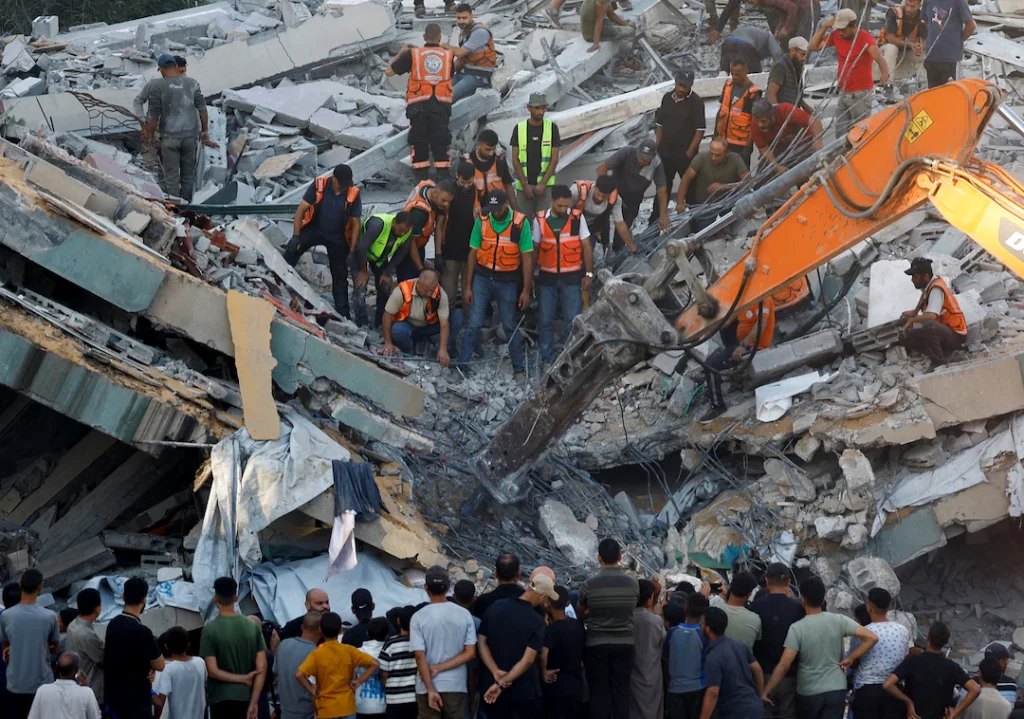
A devastating residential building collapse in western Gaza City has claimed the lives of at least 12 people, including five children, according to local officials. The tragedy unfolded overnight, leaving rescue teams and local residents in a desperate race against time to pull survivors from the debris. Witnesses described a harrowing scene as cries for help emanated from beneath the massive piles of concrete and twisted metal.
Gaza’s Civil Defence units reported that the multi-storey structure was home to six families when it suddenly gave way. The collapse has reignited concerns regarding the structural integrity of thousands of buildings across the region that sustained damage during ongoing military hostilities. Many of these structures remain unstable, yet they continue to serve as makeshift shelters for displaced civilians who have nowhere else to go.
Rescue Efforts Hampered by Lack of Equipment
In the aftermath of the collapse, rescue operations were severely hampered by a critical shortage of heavy machinery. Deprived of specialized equipment to lift heavy slabs of concrete, civil defence teams were forced to rely on manual labor. Local residents joined the efforts, digging through the wreckage with their bare hands in an attempt to reach those trapped inside.
Verified footage of the scene captured the raw emotion of the recovery efforts. In one instance, rescuers were seen pulling a young girl alive from the rubble, while other survivors emerged breathless and visibly traumatized. These individuals were quickly transported to medical facilities by ambulance as the search for others continued under perilous conditions.
Lingering Risks in War-Torn Infrastructure
Local media reports suggest the building had been weakened by an earlier Israeli bombing. The blast left the structure with significant cracks and compromised its overall load-bearing capacity. Despite the building being deemed structurally unsound, it remained occupied due to the severe lack of available housing in the territory. This incident highlights the ongoing dangers faced by those living in partially destroyed buildings.
The humanitarian situation is exacerbated by restrictions on the entry of essential construction materials. Without access to steel, cement, and advanced engineering equipment, repairs to damaged homes are impossible. Furthermore, civil defence crews operate with limited tools, which significantly slows down response times during emergency events of this nature.
“Children’s cries for help could be heard from beneath the concrete as civil defence crews struggled to reach those buried inside,” reported local witnesses at the scene.
The scale of the destruction across Gaza means that thousands of other homes remain at risk of sudden collapse. Families currently residing in these precarious environments face the constant threat of further structural failure. As the death toll from this specific incident rises, international observers have noted the profound lack of resources available for maintenance and debris removal.
The tragedy serves as a grim reminder of the long-term impact of damaged infrastructure on civilian safety. As rescue crews continue to assess the site, the community mourns the loss of the twelve victims, including the five children whose lives were cut short by the building’s sudden failure.