Global Diplomatic Tensions Surge Over Settlement Sanctions
A pivotal shift in international relations emerged this week as a coalition of Western nations moved to impose sanctions on Israeli settlements in…
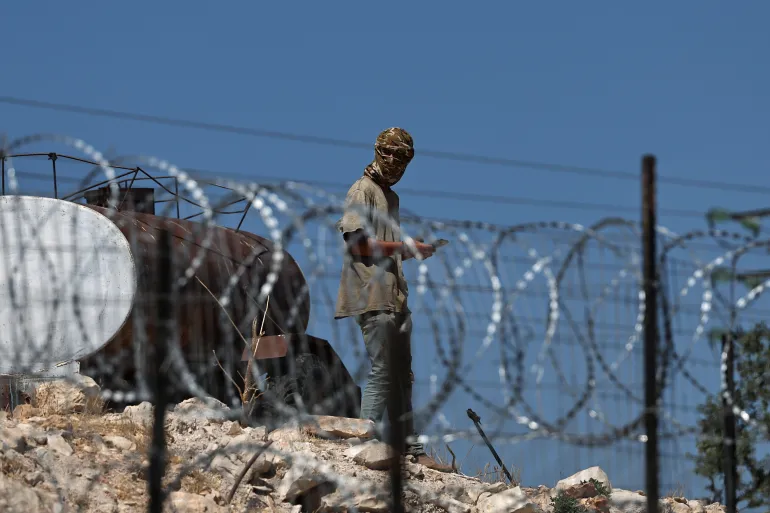
Featured image for news article
A pivotal shift in international relations emerged this week as a coalition of Western nations moved to impose sanctions on Israeli settlements in the occupied West Bank. This diplomatic escalation comes alongside a damning new report from the human rights organization B’Tselem, which characterizes the ongoing situation as a systematic “project of elimination” targeting the Palestinian people.
The report argues that current events are not isolated incidents but part of a coordinated colonial framework. B’Tselem defines this process as the sustained undermining of the conditions necessary for Palestinians to thrive as an independent collective, encompassing their land, social institutions, culture, and political future.
Diplomatic Fallout Intensifies
On September 8, a group of twelve countries, including the United Kingdom, France, and Canada, announced their intent to restrict goods produced in illegal settlements. British Foreign Secretary Ed Miliband signaled a major policy departure, stating that the government could no longer remain passive regarding what he described as the “ethnic cleansing of Palestinians… perpetrated by settler terrorists.”
Israel’s reaction to these measures was swift and retaliatory. By September 9, officials ordered the United Kingdom to close its consulate in occupied East Jerusalem within 30 days. The directives also included halting British training for Palestinian Authority security forces and removing British personnel from the Gaza coordination center in Kiryat Gat.
Internal Repression and Artistic Censorship
The reach of Israeli state pressure has also turned inward. Culture Minister Miki Zohar has initiated efforts to revoke the citizenship of filmmakers Yuval Abraham and Rachel Szor. Their documentary, “NAZA”—which investigates Israel’s use of AI targeting systems in Gaza—garnered international acclaim at the Venice Film Festival, receiving a 25-minute standing ovation.
“The documentary is vile and constitutes treason,” Zohar stated, reflecting the government’s aggressive stance toward domestic critics.
The Ongoing Crisis in Gaza
Despite diplomatic posturing, the humanitarian situation in Gaza continues to deteriorate. While some international leaders claim limited activity in the region, daily reports confirm an increasing death toll and widespread destruction. The disconnect between international rhetoric and the reality on the ground remains stark.
Adding to the controversy, Israeli Finance Minister Bezalel Smotrich suggested on September 12 that the humanitarian crisis could be resolved if European nations accepted large numbers of Gaza’s population. He proposed that if 20,000 to 30,000 residents were relocated per country, “this entire issue would be solved.”
As the international community grapples with these developments, the future of diplomatic relations remains uncertain. The combination of targeted sanctions, aggressive state retaliation, and the erosion of Palestinian conditions suggests that the current cycle of crisis is deepening rather than subsiding.