Saudi Pipeline Struck by Drones, Halting Oil Exports
Saudi Arabia has confirmed a strategic disruption to its energy infrastructure following a coordinated drone assault on its vital 1,200km East-West…
Featured image for news article
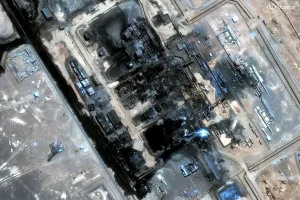
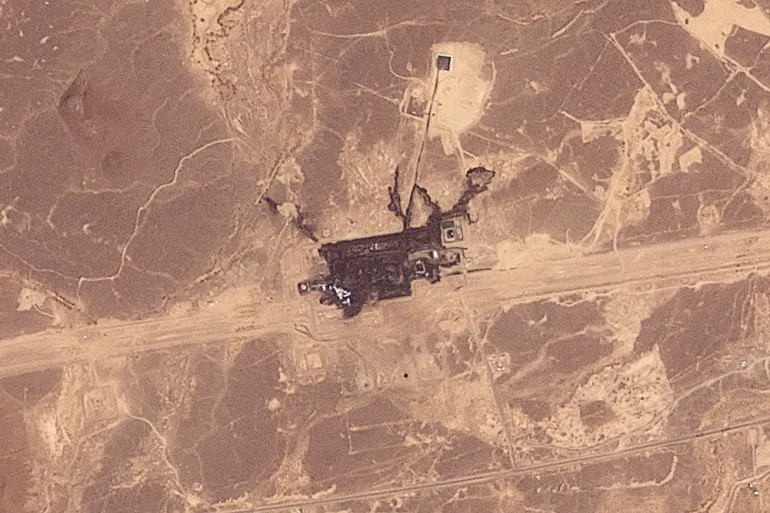
Saudi Arabia has confirmed a strategic disruption to its energy infrastructure following a coordinated drone assault on its vital 1,200km East-West pipeline. The strike, which hit facilities in the Riyadh and Medina regions, forced a precautionary shutdown of the conduit, effectively halting the flow of oil from the eastern Abqaiq oilfield to the Red Sea port of Yanbu.
The incident represents a significant escalation in regional instability. Saudi Aramco, the state-owned operator of the massive pipeline, has mobilized specialized teams to secure the site and conduct a thorough safety assessment. While the extent of the damage is still being quantified, visual evidence from the region depicts plumes of smoke rising from impacted sections of the pipeline infrastructure.
Investigation into Iraqi Origins
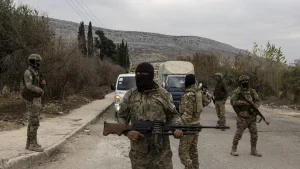
Iraqi authorities have launched a formal investigation into the origins of the attack. According to the office of Prime Minister Ali al-Zaidi, intelligence points to the southeastern province of Maysan as the launch site for the drones. In response to the confirmation that the strike originated from within its borders, Baghdad has taken the decisive step of closing its national border.
Although no organization has officially stepped forward to claim responsibility, analysts have noted the presence of numerous Iran-backed armed groups within Iraq. Security policy and defence analyst Wolfgang Pusztai highlighted the tactical nature of the strike, noting that such an operation likely required specific intelligence and external coordination.
“I believe this attack was most likely an order from… [a faction] operating within the regional proxy networks,” stated Wolfgang Pusztai.
Impact on Global Energy Security
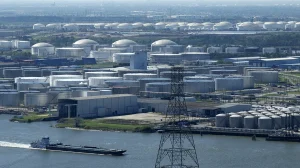
The closure of the East-West pipeline arrives at a precarious time for global energy markets. This infrastructure serves as a critical artery for the kingdom’s petroleum exports. The disruption is compounded by ongoing issues at the Strait of Hormuz, which has remained effectively inaccessible to significant traffic since March, creating a bottleneck for regional energy supplies.
The geopolitical landscape is further complicated by the kingdom’s involvement in the ongoing conflict in Yemen. Recent advances by Houthi forces along the coast, including the seizure of the strategic Mayun island in the Bab al-Mandeb strait, suggest that Saudi Arabia is facing threats on multiple fronts. These events underscore the vulnerability of energy logistics in the Middle East.
Regional Tensions and Strategy
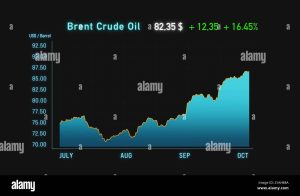
Market observers warn that the combination of pipeline shutdowns and maritime access issues could lead to increased price volatility. The East-West pipeline was designed specifically to bypass the vulnerabilities associated with shipping through the Strait of Hormuz, making its current incapacitation a major blow to Saudi energy export flexibility.
As the kingdom assesses the damage, the international community remains concerned about the potential for further escalations. With no clear perpetrator identified, regional leaders are scrambling to determine whether the attack represents an isolated incident or a new, broader strategy of economic sabotage in the ongoing regional power struggle.