Yemen Conflict Escalates as Battle for Key Hubs Intensifies
The protracted conflict in Yemen has entered a volatile new phase as forces loyal to the UN-recognised government and the Iran-backed Houthi group,…
Featured image for news article
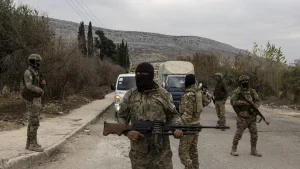
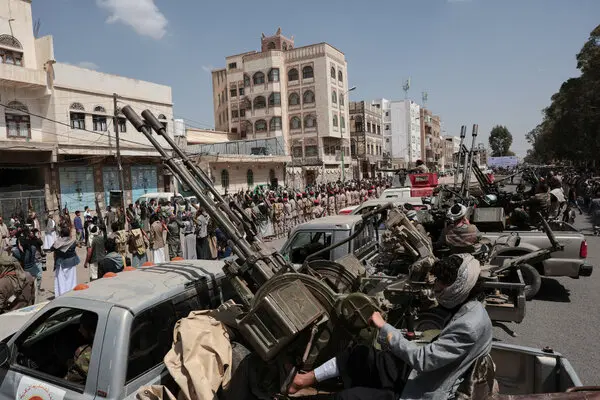
The protracted conflict in Yemen has entered a volatile new phase as forces loyal to the UN-recognised government and the Iran-backed Houthi group, also known as Ansar Allah, intensify their military operations across several critical regions. The surge in violence, characterized by the deployment of warplanes, heavy artillery, drones, and sophisticated missile systems, has shattered local stability and claimed nearly 200 lives in the past two weeks alone.
According to data provided by aid agencies, the recent escalation has resulted in at least 194 fatalities and roughly 880 injuries. These casualties are concentrated in strategically vital areas, including Taiz, the western coast, al-Jawf, Marib, and Dhalea. Each of these zones serves as a linchpin in the broader struggle for national territorial control.
The Strategic Importance of Mocha
A significant development occurred on Thursday with reports indicating that Houthi forces successfully seized control of Mocha. Situated on the western coast, the city is a gateway to the Red Sea, one of the world’s most crucial maritime shipping lanes. By securing a foothold here, the Houthi movement significantly alters the balance of power in the coastal theater.
Yazeed al-Jeddawy, research manager at the Sanaa Center for Strategic Studies, notes that the push for Mocha is part of a wider Houthi strategy. The objective is to seize dominant high ground and disrupt government logistical chains. “The Houthis are trying to seize commanding terrains, cut supply routes between the coastal Mocha district and Taiz, and prevent government troops on the western coast from linking up with the Taiz Military Axis,” al-Jeddawy explained.
“The Houthis seem intent on tightening their hold around Mocha and moving closer to the Dhubab–Bab al-Mandeb area. A substantial advance would strengthen their position near the southern entrance to the Red Sea and give them greater leverage over international shipping,” al-Jeddawy added.
Fronts in the North and Center
While the western coast remains a primary flashpoint, fighting is equally fierce in the north and central governorates. Government forces are currently engaged in a desperate bid to bolster their control over Marib, a region recognized for its essential oil production. Meanwhile, in the al-Jawf governorate, proximity to the Saudi Arabian border has turned the region into a high-stakes battlefield.
Dhalea also remains a critical point of contention, serving as a geographic bridge that links the Houthi-dominated north with the government-held south. The control of these mountain passes and arterial roads is essential for both sides to sustain their long-term military campaigns.
The humanitarian impact of this intensified warfare is severe. The recent use of missiles and drones against civilian infrastructure, particularly in and around Mocha, has resulted in extensive structural damage and civilian casualties, underscoring the risks posed to non-combatants as the two factions compete for regional dominance through military force.