Netanyahu’s Strategy: Victimhood in the Face of Crisis
As Israel approaches its 13th parliamentary election, Prime Minister Benjamin Netanyahu is leaning heavily into a familiar political blueprint….
Featured image for news article
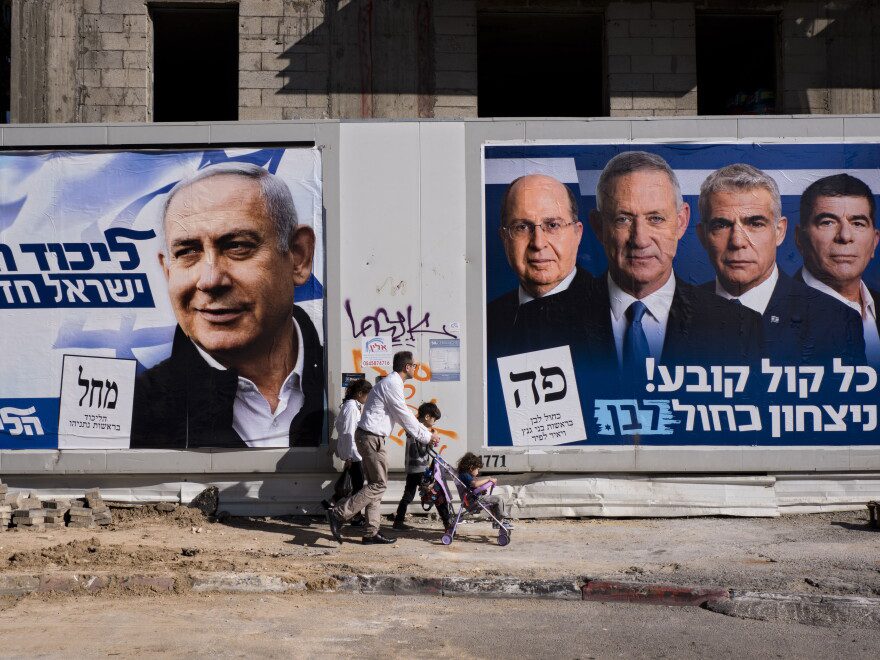
As Israel approaches its 13th parliamentary election, Prime Minister Benjamin Netanyahu is leaning heavily into a familiar political blueprint. Despite presiding over the nation’s most severe internal security breach and overseeing a devastating humanitarian crisis in Gaza, the longest-serving leader in Israeli history remains firmly entrenched in power. Critics argue that Netanyahu is once again deploying a strategy of deflection and manufactured victimhood to insulate his career from mounting pressure.
The Prime Minister’s recent tactics have intensified following reports from the Israeli daily Haaretz. The publication alleged that the United Arab Emirates provided advance warnings regarding the Hamas-led 2023 attacks. Rather than engaging in introspection or accountability, Netanyahu’s office responded with legal threats and accusations of “foreign interference,” a maneuver that underscores his consistent preference for combative rhetoric over transparency.
The Politics of Grievance
This reliance on the “victim” narrative is not new, yet it has reached a fever pitch in the lead-up to the next election. Netanyahu recently unveiled a controversial political advertisement that depicts himself as a vulnerable child being bullied by his classmates. The video features students holding signs marked “anyone but Bibi,” a direct reference to the nickname of the Likud party leader. By casting himself as the target of an aggressive elite, Netanyahu seeks to galvanize his base.
Neta Oren, an Israeli political psychologist at George Mason University, suggests that this self-victimization is a core component of the Netanyahu playbook. Oren noted:
“For years, he has presented himself as the representative of ‘the people’ against the elite. Populism works especially well from the opposition, but what happens when you are the longest-serving prime minister in Israel’s history?”
Blaming the ‘Deep State’
To reconcile his status as an establishment figure with his populist messaging, Netanyahu consistently blames systemic failures on external forces or a perceived “deep state.” According to Oren, this narrative serves a specific purpose in maintaining his political coalition. By framing his supporters as fellow victims of an entrenched, hostile elite, he transforms his own political liabilities into a shared struggle.
While some analysts suggest that this strategy could project an image of weakness, the emotional resonance among his core supporters remains high. The animosity directed toward the established order is a potent tool that Netanyahu uses to bypass traditional political accountability. His ability to maintain power after 18 years in office highlights the efficacy of this populist discourse.
As the campaign season heats up, Netanyahu appears to be intensifying these efforts. Whether this high-stakes narrative of grievance will continue to secure electoral success remains to be seen. However, it is clear that for Israel’s leader, the path to survival lies in transforming potential scandal into a defense against his perceived adversaries, ensuring that the focus remains on the “bullied” leader rather than the consequences of his long tenure.