Surge in Southern Lebanon Strikes Leaves 11 Dead
A fresh wave of Israeli air strikes has devastated southern Lebanon, resulting in the deaths of at least 11 individuals, according to reports from…
Featured image for news article
A fresh wave of Israeli air strikes has devastated southern Lebanon, resulting in the deaths of at least 11 individuals, according to reports from state media. The violence, which targeted both residential buildings and civilian vehicles, marks a significant escalation in the ongoing conflict despite previous diplomatic efforts to establish stability in the region.
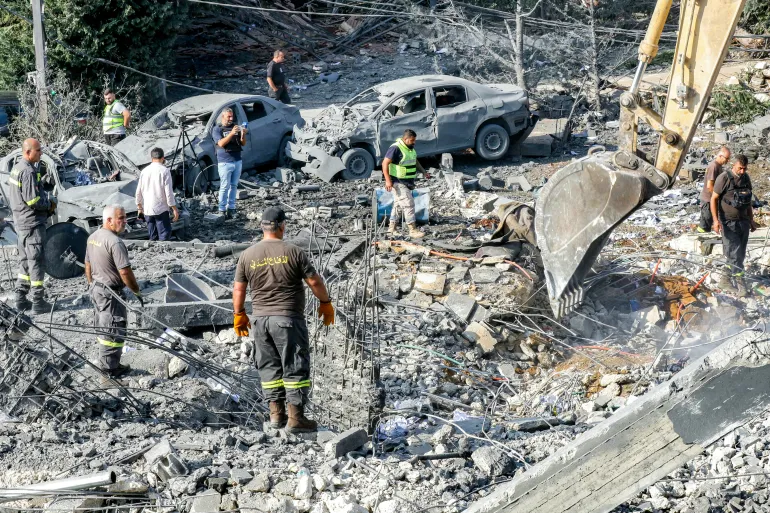
The National News Agency (NNA) confirmed that nine people, including two children, were killed early Monday morning when Israeli warplanes leveled a residential structure in the town of Kfar Reman. The strike left five additional residents wounded, adding to the growing toll of civilian casualties in the district. Following this attack, a separate drone strike targeted a civilian car in the same town, killing two medics on the scene.
Escalating Tensions and Diplomatic Stagnation
These strikes follow a series of aggressive military actions in the Nabatieh district, including an overnight operation in the town of Deir al-Zahrani. The Israeli military claimed the site was located near a Hezbollah facility allegedly involved in launching explosive drones. This campaign follows a weekend of violence that saw at least seven people killed and twenty others injured during raids on the nearby town of Arab Salim.
The persistent violence highlights the failure of a US-brokered framework agreement established in June. The plan was designed to create “pilot zones” for the Lebanese army to disarm Hezbollah while facilitating an Israeli withdrawal. However, these zones remain largely ineffective as Israel continues to occupy dozens of villages, leading to what observers describe as a stalled diplomatic process.
Reporting from the ground, Al Jazeera’s Zeina Khodr noted a pervasive atmosphere of fear.
“The feeling here is that Israel is trying to impose or establish new rules of engagement,”
Khodr remarked. Civilians who had returned to rebuild their homes are now living in a state of deep uncertainty, as the hope for a lasting ceasefire has all but vanished.
Devastation and Recovery
The nature of the operations on the ground has shifted significantly. As rescue teams continue their work, the focus has moved from urgent life-saving missions to somber recovery efforts.
“They’ve been here throughout the night, but it’s no longer a rescue operation,”
Khodr stated.
“It’s a recovery operation.”
Since the conflict escalated in early March, the human cost has been staggering. Lebanon’s Health Ministry reports that over 4,350 people have been killed and more than 12,300 wounded. The targeting of medical personnel remains a critical concern, with 179 recorded attacks on ambulance crews since the escalation began, resulting in the deaths of 135 healthcare workers.
Despite the existence of a signed framework, the lack of progress has left the population vulnerable. The repeated strikes on residential zones and the failure to implement the withdrawal plan suggest that the path to regional de-escalation remains blocked, with civilians continuing to bear the brunt of the ongoing hostilities.