Strait of Hormuz: Iran Plans New Restricted Naval Zone
Tensions in the Strait of Hormuz have reached a critical juncture as Tehran announces plans to establish a new restricted zone within the vital…
Featured image for news article
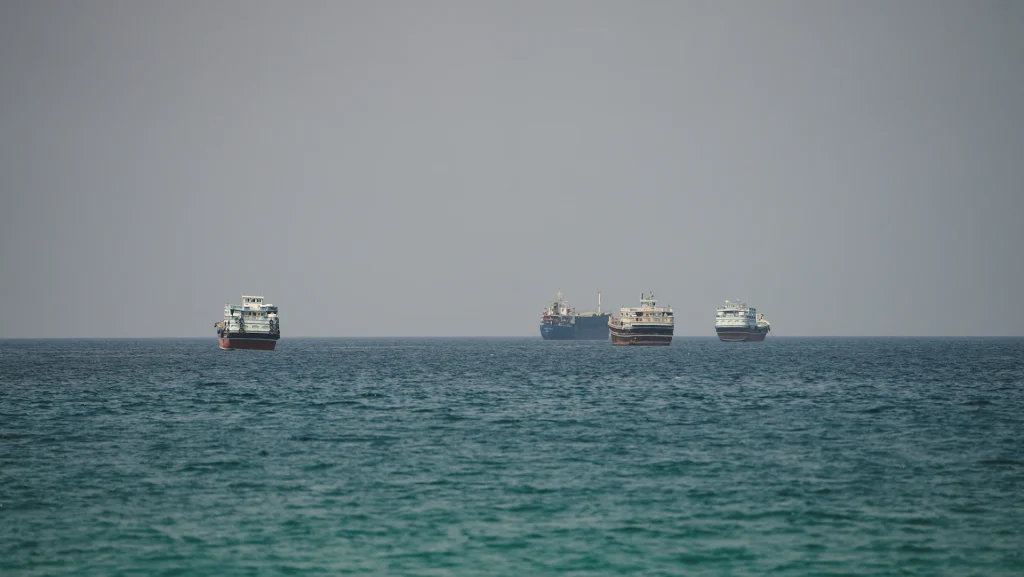
Tensions in the Strait of Hormuz have reached a critical juncture as Tehran announces plans to establish a new restricted zone within the vital maritime chokepoint. This move follows the expiration of a 60-day memorandum of understanding (MoU) that previously helped maintain a fragile peace in the region, raising fears of a renewed military confrontation between Iranian forces and the United States.
The Strait of Hormuz, which historically accounts for roughly 20 percent of global oil and gas supplies, has become the epicenter of a dangerous escalation. Since the collapse of the June 17 agreement, both sides have engaged in intermittent attacks on shipping vessels. Tehran has consistently utilized the waterway as a strategic lever in its broader conflict with Washington, leading to a volatile cycle of maritime aggression.
Escalation in the Persian Gulf
The latest friction ignited after Iran targeted US warships that were actively escorting oil tankers. These tankers have been attempting to bypass a Tehran-imposed blockade designed to exert pressure on global markets. Conversely, the US maintains a naval blockade of Iranian ports, which has severely throttled the nation’s ability to export oil and participate in international trade.
Mohsen Rezaei, Secretary of the Supreme National Security Council, indicated that the specifics of this restricted zone would be unveiled shortly. According to state media, the zone is intended to encompass areas stretching from the US naval blockade line deep into the Persian Gulf.
“This zone will start from the US Navy’s blockade line and include areas of the Persian Gulf,”
Rezaei stated.
Strategic Enforcement Uncertainties
While the proposal is bold, Tehran has remained vague regarding how it intends to enforce these restrictions. The primary threat issued by officials involves placing any vessel that enters the designated zone onto an Iranian sanctions list, though the practical implications for international shipping remain unclear. Experts are currently debating whether this is a genuine territorial assertion or a symbolic political maneuver.
Beyond the primary zone, Iran is also coordinating with Oman to establish a new international maritime corridor. This initiative includes the approval of updated maps detailing routes through waters managed by both nations. Tehran claims these measures are essential for maintaining sovereignty over the transit routes that have become central to the ongoing war involving the US and Israel.
The lack of transparency regarding the exact boundaries has added another layer of complexity to an already tense environment. Shipping companies, insurers, and international navies are now forced to navigate a rapidly changing landscape where the rules of engagement are no longer clearly defined by the previous MoU.
As the situation develops, the international community watches closely to see if Iran can successfully implement its administrative controls or if these plans will trigger a deeper military crisis. With oil prices sensitive to any disruption in the Strait, the stability of the global energy market remains precariously balanced on the outcome of these maritime maneuvers.