Iran Shifts Strategy as Naval Conflict Escalates
Tehran has officially declared that the era of proportionate military responses has concluded following a series of aggressive U.S. strikes against…
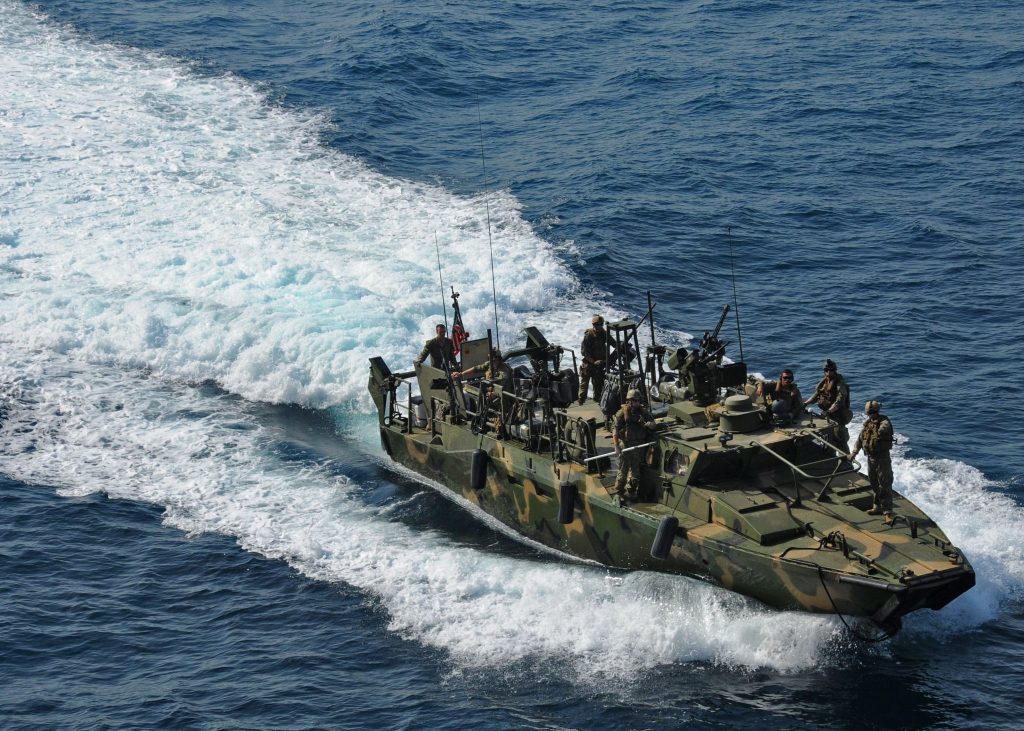
Featured image for news article
Tehran has officially declared that the era of proportionate military responses has concluded following a series of aggressive U.S. strikes against Iranian crude oil tankers. This escalation marks a significant deterioration in regional stability, as the United States intensifies its dual strategy of economic sanctions and direct naval intervention to enforce a blockade on Iranian maritime trade.
The U.S. Central Command (CENTCOM) released footage on Saturday documenting the destruction of three Iranian vessels. According to official reports, two tankers were permanently disabled off the coast of Kharg Island and near Jask, while a third vessel sank in the Gulf of Oman following a heavy bombing campaign. These strikes represent a severe blow to Iran’s primary oil export infrastructure.
Retaliatory Measures and Rising Tensions
In a rapid display of counter-force, the Islamic Revolutionary Guard Corps (IRGC) countered with its own video evidence showing explosive-laden projectiles striking multiple ships within the strategically vital Strait of Hormuz. The IRGC further claimed that it successfully intercepted a U.S.-built sea drone attempting to infiltrate Iranian territorial waters, an area responsible for transporting one-fifth of the world’s energy supplies.
The situation intensified when the IRGC announced it had launched ballistic missiles at a U.S. aircraft carrier and an accompanying warship involved in the ongoing naval blockade. While the IRGC asserted that both vessels sustained damage and subsequently retreated, CENTCOM officials maintained that the attacks were successfully evaded, noting that no evidence of critical damage exists.
“The Americans have surely understood that the era of proportionate responses has come to an end and our recent strikes against aggressor bases was only a start,” said Speaker Mohammad Bagher Ghalibaf.
During a private parliamentary session on Sunday, Speaker Mohammad Bagher Ghalibaf signaled a hardening of Iran’s defensive posture. Ghalibaf, who acts as the nation’s lead negotiator, warned that any further aggression toward Iranian interests would be met with “faster, heavier and more painful” retaliatory strikes. He suggested that Tehran has already inflicted significant damage on regional U.S. bases.
Diplomatic and Legal Fallout
The IRGC characterized the U.S. acknowledgment of incoming missile fire as proof of a strategic defeat, framing the exchange as evidence of their own growing offensive capabilities. Meanwhile, the Ministry of Foreign Affairs has formally condemned the U.S. naval actions as illegal, labeling the systematic destruction of merchant tankers as a “war crime” that stands in direct violation of the United Nations Charter.
As both nations remain locked in a tense standoff, the international community watches the Strait of Hormuz with increasing concern. The shift from economic pressure to direct kinetic conflict suggests that the maritime blockade is entering a volatile new phase. With Iran pledging a more aggressive military doctrine, the potential for further maritime incidents remains high as Washington continues its policy of regional military containment.