How Mideast Turmoil Boosts US Energy Dominance
The traditional geopolitical bargain between Washington and the Gulf states is undergoing a profound transformation. For decades, the United States…
Featured image for news article
The traditional geopolitical bargain between Washington and the Gulf states is undergoing a profound transformation. For decades, the United States provided security and open sea lanes in exchange for a steady supply of energy settled in dollars. Today, that relationship has shifted from a partnership into a competitive landscape where American interests increasingly profit from instability in the Middle East.
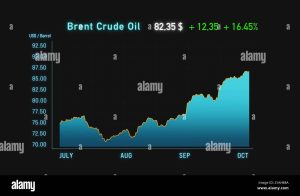
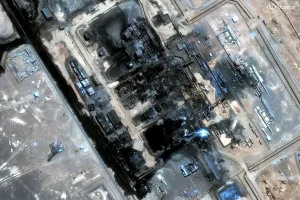
Recent market shifts underscore this trend. As regional insecurity persists, Gulf energy producers face significant logistical hurdles. QatarEnergy, for instance, has repeatedly signaled that force majeure on liquefied natural gas (LNG) deliveries to key European partners like Edison will continue, resulting in nearly 30 cancelled cargoes. This gap in the market has forced European importers to seek alternative suppliers, primarily in the United States.
From Guardian to Competitor
The core of this transition lies in the dual nature of American influence. Washington maintains a desire for strategic leverage over regional rivals like Iran, while private energy giants aggressively pursue market share, favorable regulations, and new global customers. When conflict disrupts the flow of oil and gas from the Gulf, US energy firms effectively fill the void, often reporting record-high profits in the process.
The current landscape creates a unique dynamic where the no-war, no-peace status quo serves specific American interests. Donald Trump recently highlighted this competitive edge, celebrating what he described as the
“biggest oil deal in history”
involving a massive 100-year concession on 17 oil fields in Venezuela. This move secures vast reserves, further solidifying the reach of American-linked energy ventures.
The Role of Private Capital
It is essential to distinguish between official government policy and the dense network of private commercial interests. State power acts as the gatekeeper, opening doors in volatile regions, while private capital moves in to extract value. This synergy has propelled the US into a position of unrivaled energy dominance, as domestic producers capitalize on the inability of Gulf nations to maintain consistent export levels.
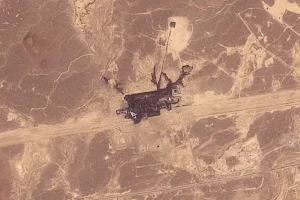
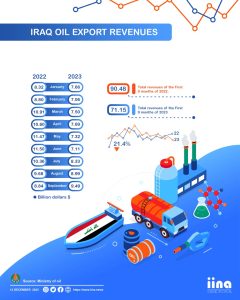
The impact of this shift is visible across the Gulf Cooperation Council. Countries like Kuwait, Saudi Arabia, and the UAE have all grappled with substantial drops in oil exports due to regional tensions. Conversely, American energy infrastructure has scaled up to meet European demand, turning the instability of foreign rivals into a lucrative domestic windfall.
Israel’s Growing Strategic Footprint
Israel further complicates this energy map, operating not as an independent rival, but as an integrated node in the US-aligned energy architecture. Chevron’s significant ownership stakes in the Leviathan and Tamar offshore gas fields tie Israel directly to the broader American energy strategy.
With a $35 billion agreement now in place to ramp up exports to Egypt, the Eastern Mediterranean is emerging as a critical hub. By securing these reserves and infrastructure, the US ensures that its allies remain linked to its broader economic interests, effectively insulating its energy strategy from the volatility that plagues traditional Gulf suppliers.