Winter Rains Threaten Gaza With Catastrophic Health Crisis
The World Health Organization (WHO) has issued a dire warning regarding the Gaza Strip, as the arrival of winter weather threatens to escalate an…
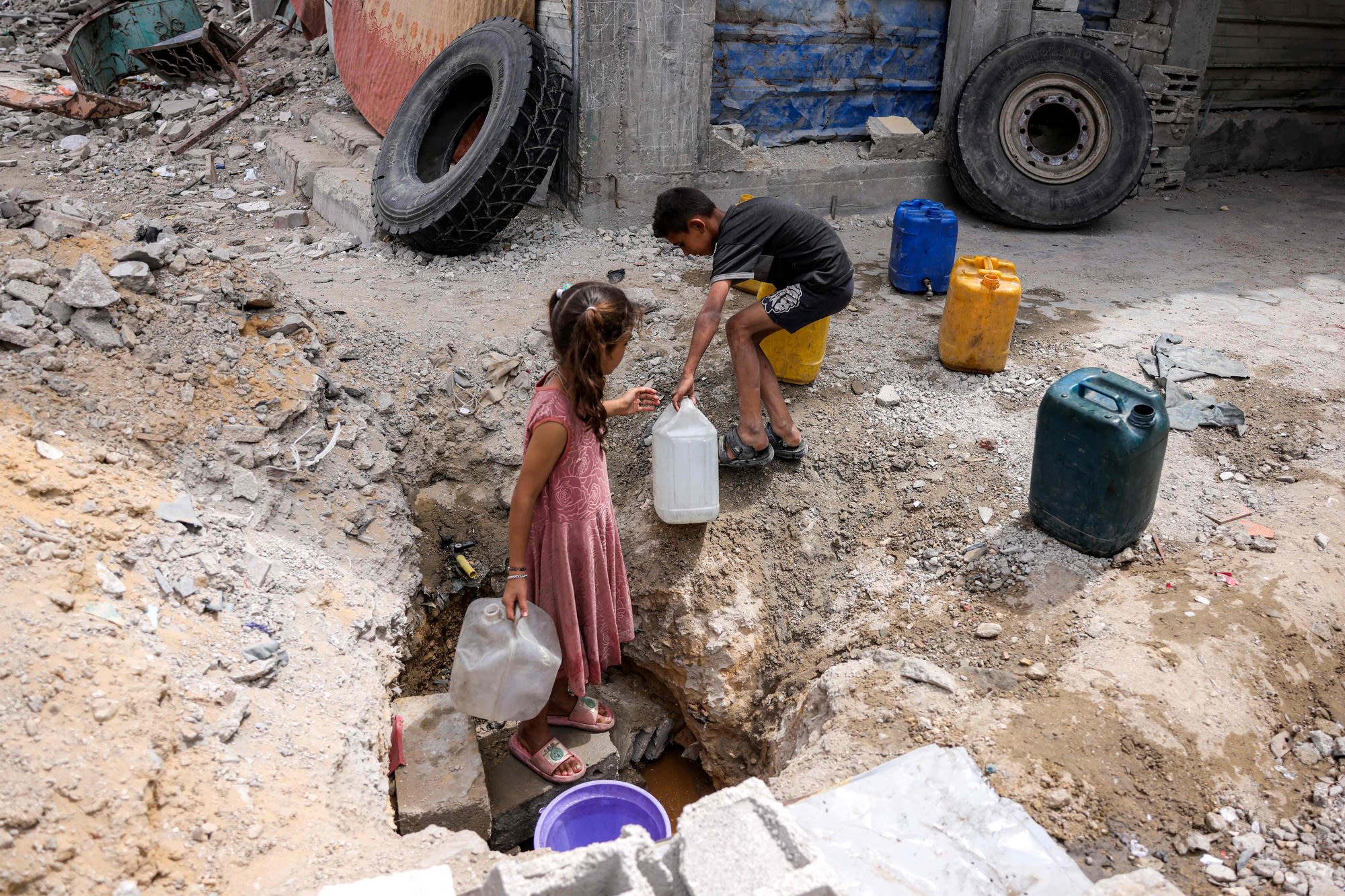
Featured image for news article
The World Health Organization (WHO) has issued a dire warning regarding the Gaza Strip, as the arrival of winter weather threatens to escalate an already catastrophic public health emergency. With the enclave’s infrastructure decimated by ongoing conflict and a strict blockade, humanitarian agencies fear that seasonal rains will transform the territory’s dire conditions into a widespread health disaster.
Reinhilde Van de Weerdt, the WHO’s representative in the Palestinian territories, highlighted the grim reality facing those currently trapped in the enclave. As temperatures drop and rainfall increases, the lack of adequate shelter and functional sanitation systems creates a perfect environment for the rapid spread of waterborne illnesses.
The Danger of Impending Floods
A primary concern for health officials is the impact of potential flooding on the region’s compromised waste management systems. The infrastructure is currently unable to handle significant rainfall, which risks displacing raw sewage into residential areas.
“Potential flooding resulting from winter rains will send the sewage, the waste and contaminated water into the places where people sleep, cook and care for their loved ones,” Van de Weerdt warned.
This exposure to contaminated water poses an immediate threat to the population, particularly children and the elderly, who are already struggling with the effects of prolonged deprivation and inadequate nutrition.
Staggering Data on Water Contamination
Recent testing conducted on approximately 6,700 water samples throughout the first eight months of 2026 confirms a rapid deterioration in safety. Microbiological contamination levels have seen an alarming increase, nearly tripling over the course of the year. Specifically, contamination rates rose from under six percent in January to over 18 percent by August.
This decline in water quality has directly correlated with a surge in disease across the Gaza Strip. The WHO reports that cases of acute diarrhea have nearly doubled since March, climbing from 27,000 to more than 48,000 cases. These figures underscore the severity of a crisis fueled by the systematic destruction of essential utilities.
Urgent Call for Humanitarian Aid
Despite the severity of the situation, the WHO maintains that a disaster can still be mitigated if immediate action is taken. The agency has issued a strong appeal for the unimpeded and expedited entry of humanitarian supplies to stabilize the region before winter fully sets in.
To prevent a total health collapse, the international community must focus on providing:
- Materials for permanent shelter construction.
- Sustainable water provision and sanitation equipment.
- Urgent laboratory supplies to diagnose and contain disease outbreaks.
The blockade remains the primary barrier to these life-saving efforts. Previous reports from organizations like Doctors Without Borders indicate that nearly 90 percent of water and sanitation infrastructure has been damaged or destroyed. As the region heads toward a cold and wet winter, the ability to provide even minimal quantities of clean water remains a critical challenge for humanitarian workers on the ground.