Belgian City Rejects Hapoel Beer-Sheva Europa League Tie
The Belgian football club Union Saint-Gilloise faces a logistical scramble after the Mayor of Leuven, Mohamed Ridouani, officially blocked the city…
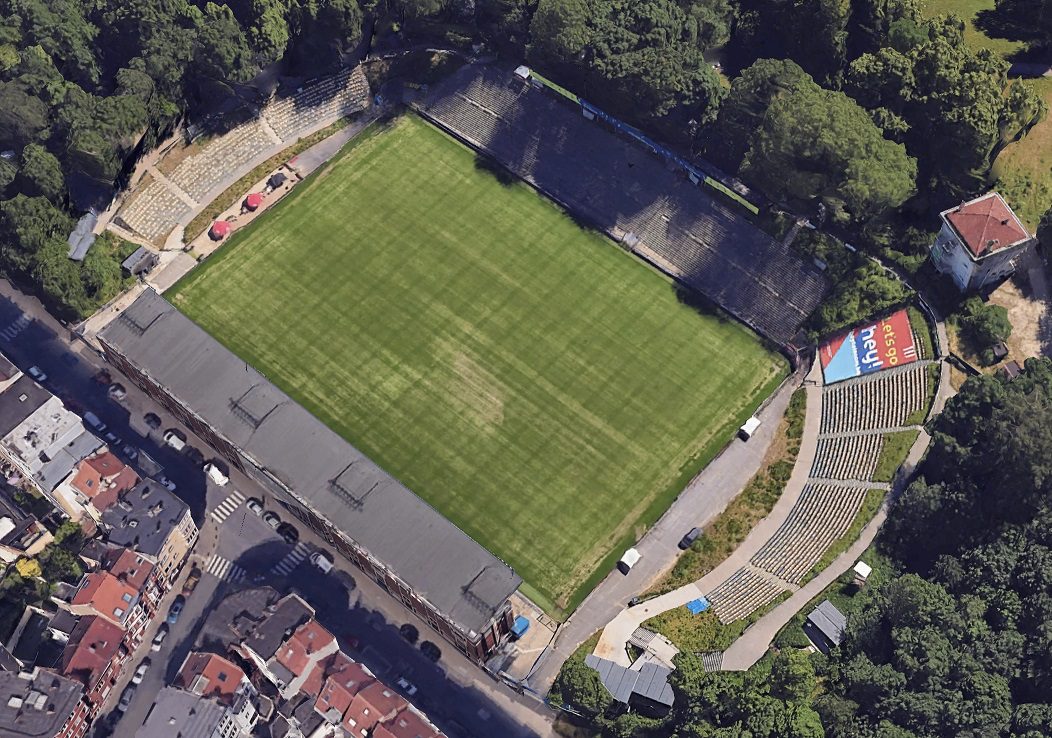
Featured image for news article
The Belgian football club Union Saint-Gilloise faces a logistical scramble after the Mayor of Leuven, Mohamed Ridouani, officially blocked the city from hosting their upcoming Europa League fixture against Israeli side Hapoel Beer-Sheva. The high-profile match, scheduled for October 22, has been caught in the crosshairs of local security concerns amidst ongoing regional tensions.
Union Saint-Gilloise had intended to utilize the Den Dreef stadium in Leuven for their European campaign, as their own home ground in Brussels fails to meet the stringent infrastructure requirements mandated by UEFA. However, the municipal government’s refusal to grant permission has effectively rendered the venue off-limits for the visiting Israeli team.
Public Safety Concerns Cited
Mayor Ridouani justified the controversial decision by citing the necessity of preserving public order. He indicated that the local administration could not guarantee the safety of the event, even if the gates were closed to spectators. His statement emphasized a consistent policy regarding high-risk fixtures.
“For the sake of public safety, the city will not grant permission for the game,” stated Mayor Mohamed Ridouani.
This decision aligns with the city’s previous stance regarding international football. Leuven had already established a precedent by refusing to host Belgian national team matches against Israeli opposition, citing similar security-related reservations regarding the logistics of managing such sensitive events within city limits.
UEFA Responds to Venue Crisis
The governing body of European football, UEFA, confirmed that it has been formally notified of the situation. With the October 22 deadline looming, the pressure is now squarely on the Belgian club to identify an alternative location that meets safety standards and can accommodate the match at short notice.
A spokesperson for UEFA clarified the organization’s stance on the matter, noting that responsibility lies with the host team:
“It’s the duty of the host club to find an alternative venue. The stadium change will be known in the coming days.”
Broader Context of European Competition
The conflict surrounding this fixture reflects the broader challenges facing Israeli teams in European football since the onset of the war in October 2023. Under current UEFA directives, Israeli clubs and national squads are prohibited from playing home games on domestic soil, requiring them to utilize neutral territories for their continental commitments.
For example, Hapoel Beer-Sheva has navigated these regulations throughout the current season, having already hosted various Champions League qualifying fixtures in neutral host nations such as Hungary and Romania. While playing home matches away from Israel has become standard, the refusal of a host city to accept an Israeli team for an away fixture is an infrequent development.
As Union Saint-Gilloise scrambles to finalize a new location, the footballing community watches closely. The club must now balance strict UEFA administrative requirements with the complexities of international security protocols to ensure the Europa League tie proceeds as scheduled.