Global Leaders Gather in Bishkek for Pivotal SCO Summit
The capital of Kyrgyzstan, Bishkek, is set to host a high-stakes two-day gathering of the Shanghai Cooperation Organisation (SCO), marking 25 years…
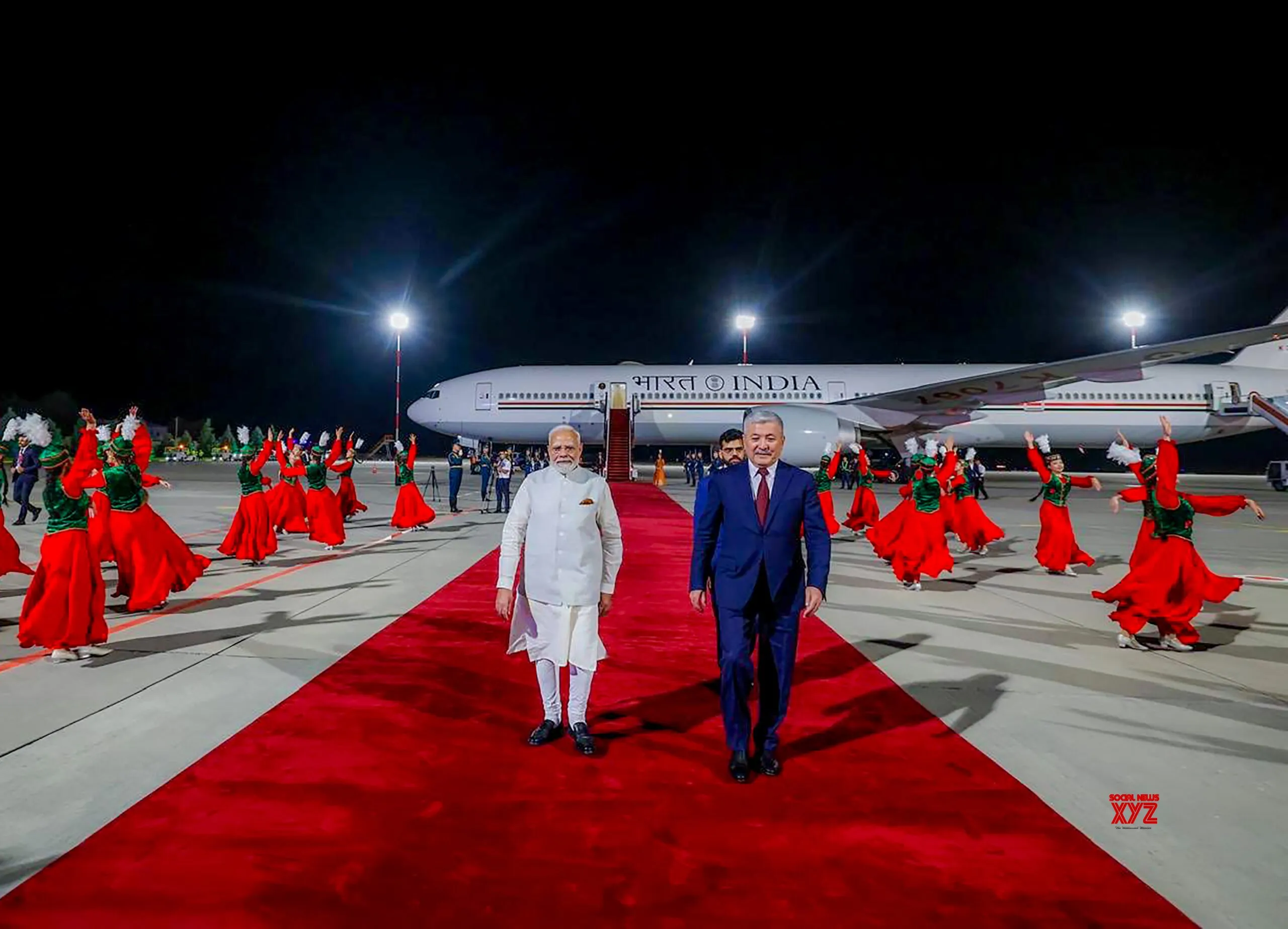
Featured image for news article
The capital of Kyrgyzstan, Bishkek, is set to host a high-stakes two-day gathering of the Shanghai Cooperation Organisation (SCO), marking 25 years of the alliance’s existence. As global powers converge, the summit, themed “Together for Sustainable Peace, Development and Prosperity,” arrives at a critical juncture for international diplomacy.
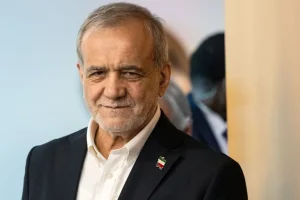
Chinese President Xi Jinping, Russian President Vladimir Putin, and Indian Prime Minister Narendra Modi lead the high-profile attendance list. They are joined by Iranian President Masoud Pezeshkian and heads of state from nations including Pakistan, Uzbekistan, Kazakhstan, and Belarus. The presence of Turkish President Recep Tayyip Erdogan, alongside United Nations Secretary-General Antonio Guterres and ASEAN Secretary-General Kao Kim Hourn, underscores the event’s growing significance on the world stage.
The summit serves as a platform to address the mounting pressures on the global order. With the world currently grappling with the aftermath of the US-Israel conflict in Iran—which has sent shockwaves through energy and financial sectors—and the persistent Russia-Ukraine war, the collective focus remains on stabilizing regional security and trade.
Challenging the Unilateral Status Quo
A primary objective of this year’s meeting is the advancement of a multipolar world vision. Leaders are looking to bolster cooperation within the Global South, a move largely prompted by shifts in foreign policy under United States President Donald Trump. His administration’s unilateral approach has, in the eyes of many attendees, eroded the traditional rules-based international order.
“For years, SCO has been viewed as one of the avenues for China to promote the multipolar world order and form its own bloc with other developing countries,” explains William Yang, a senior analyst at the International Crisis Group.
Yang highlights that while the SCO began with a narrow focus, member states have progressively expanded both their mandate and their membership. The organization is now a vital instrument for rising powers, particularly China and India, to amplify their influence and foster stronger engagement across the developing world.
A Contrast in Global Leadership
The summit provides a strategic opening for Beijing to project itself as a stabilizing force. By advocating for peaceful resolutions to ongoing conflicts, China aims to create a sharp contrast with the perceived instability stemming from US policy. Analysts suggest that this gathering is as much about diplomatic positioning as it is about practical policy outcomes.
However, the path toward a unified front remains complex. While the SCO offers a forum for alignment, the competing interests of member nations often present hurdles to concrete integration. Despite these challenges, the Bishkek summit remains a definitive barometer for how these nations intend to navigate a fragmented global landscape.
As discussions unfold, the focus will remain on whether these leaders can transform their rhetoric on sustainable peace into actionable, long-term trade and security policies that effectively mitigate the impact of current global crises.