Nord Stream Sabotage Strains Germany-Ukraine Ties
The 2022 destruction of the Nord Stream pipelines stands as a stark monument to the collapse of Germany’s long-standing policy of “change through…
Featured image for news article
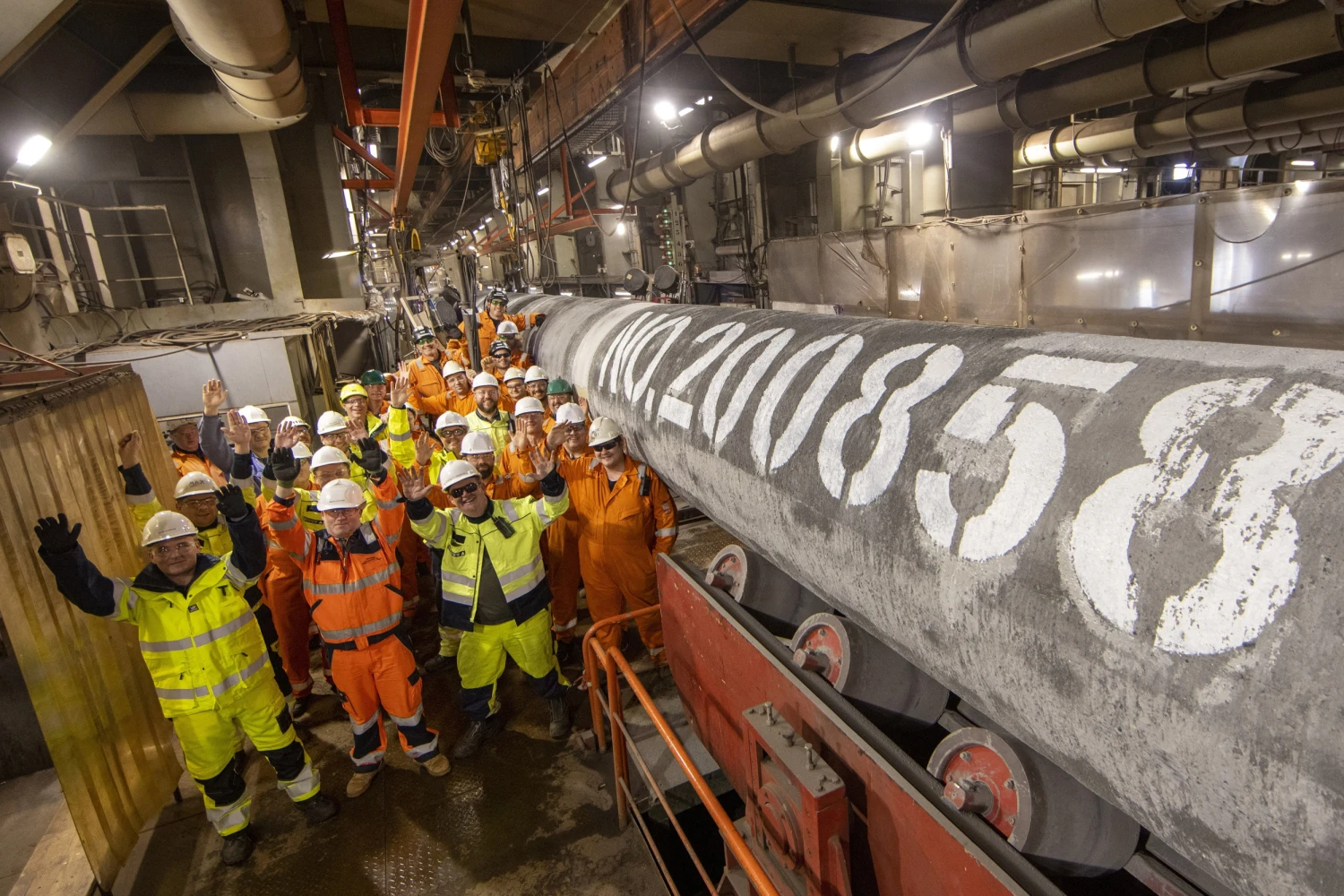
The 2022 destruction of the Nord Stream pipelines stands as a stark monument to the collapse of Germany’s long-standing policy of “change through trade.” For years, Berlin sought to pacify Moscow by anchoring their economies together, pumping natural gas from Russia’s Arctic tundra directly to the medieval castles and cliffs of Mecklenburg-Vorpommern. This $19 billion infrastructure project, intended to stabilize Europe’s energy needs, instead became the catalyst for a profound geopolitical reckoning.
On September 26, 2022, the world watched in shock as underwater blasts ruptured the conduits, triggering history’s most significant methane release. The resulting geyser in the Baltic Sea effectively halted the flow of energy that once accounted for 55 percent of Germany’s natural gas supply. The incident, now widely categorized as an act of calculated sabotage, has transcended mere industrial disaster to become a focal point of international criminal investigations and a source of diplomatic tension between Berlin and Kyiv.
From Silver Screen to Reality
The cinematic nature of the attack has even captivated Hollywood. Director Doug Liman is currently producing a drama titled Snake Island, featuring stars Sean Penn and Adrien Brody. The film depicts a narrative of Ukrainian divers executing a daring underwater sabotage mission. However, the line between fiction and reality has blurred significantly following a series of high-profile arrests.
Volodymyr Zhuravlev, a 46-year-old expert free-diver with over two decades of experience, was arrested in Pula, Croatia, on August 19. Notably, Zhuravlev had served as a consultant on Liman’s film production. His pending extradition to Germany follows the arrest of Serhii Kuznetsov, another suspect linked to the sabotage, who was apprehended in Italy last year. Kuznetsov, who reportedly maintained ties to Ukrainian intelligence, has publicly expressed a sense of betrayal, claiming he was “abandoned by his country and president.”
A Shift in Energy Security
These legal developments continue to cast a shadow over Germany’s relationship with Ukraine. Claudia Kemfert, a professor at the Institute for Economic Research in Berlin, noted that the events reaffirmed a painful lesson for Germany.
“The Nord Stream sabotage reinforced a key lesson from the 2022 energy crisis – Germany had become far too dependent on Russian fossil gas,”
Kemfert told Al Jazeera.
The pipelines were built to deliver 110 billion cubic metres of gas annually. While Nord Stream 2 never officially opened, it remained pressurized at the time of the blasts, adding to the environmental and economic fallout. Former United States President Donald Trump famously argued in 2022 that the pipelines rendered Germany “captive to Russia.”
As German investigators move forward with trials, the implications remain twofold: the necessity of diversifying European energy imports and the ongoing diplomatic scrutiny regarding the origins of the sabotage. For Berlin and Kyiv, the path toward reconciliation requires navigating the complexities of these revelations while addressing the lasting impact on their shared political landscape.