Hormuz Crisis: Iran and Oman Forge Secret Ship Route
In a high-stakes move to stabilize global energy transit, Iran’s deputy foreign minister, Kazem Gharibabadi, announced on Tuesday that Tehran and…
Featured image for news article
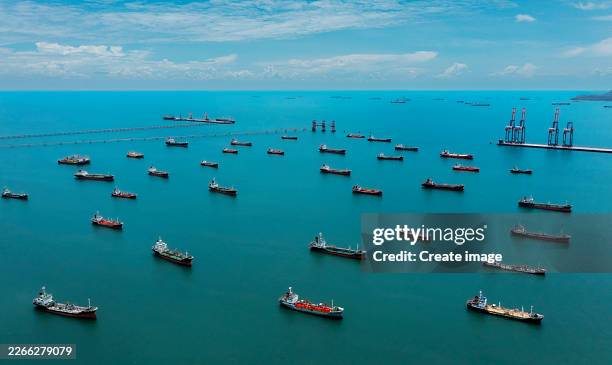
In a high-stakes move to stabilize global energy transit, Iran’s deputy foreign minister, Kazem Gharibabadi, announced on Tuesday that Tehran and Muscat have finalized an agreement for a temporary maritime corridor through the Strait of Hormuz. This critical waterway, which serves as the primary artery for one-fifth of the world’s oil and liquefied natural gas supplies, has remained largely paralyzed since the outbreak of open hostilities between Tehran and the United States in late February.
The geopolitical landscape of the Gulf shifted dramatically following strikes on Tehran on February 28. The ensuing conflict effectively shuttered the strait, triggering a seismic crisis in global energy markets. Although active warfare has entered a period of relative dormancy, replaced by a campaign of intense economic strangulation against Iran, the channel remains a flashpoint of international tension. Tehran maintains that the waterway will not return to full operational status until the United States adheres to its obligations under a previous, now-lapsed, interim peace accord.
Diplomatic Isolation and Strategic Shifts
Since the US military conducted airstrikes on Iranian territory in July, Tehran has adopted a rigid diplomatic posture. The Islamic Republic has largely refused to engage in direct dialogue with Washington, opting instead to channel all negotiations regarding the strait through Oman. This strategic choice underscores the deep-seated mistrust permeating the region.
“The waterway will not fully reopen until the United States fulfils its commitments,”
Gharibabadi emphasized, signaling that the current route is merely a stopgap measure rather than a lasting resolution.
Before the conflict erupted, the Strait of Hormuz saw approximately 130 vessels pass through daily. When Brent crude oil was trading near $66 a barrel, the strait functioned as the essential link between Gulf producers and the global open ocean. The onset of the US-Iran war shattered this equilibrium, leading to the closure of the strait in early March, with only a select few ships deemed “friendly” by Iranian authorities permitted to transit.
A Restricted Passage
The operational reality of this new maritime corridor remains strictly controlled. As early as April, the Islamic Revolutionary Guard Corps (IRGC) implemented a rigid route map that forced shipping traffic to hug the Iranian coastline while declaring vast segments of Omani territorial waters as “restricted zones.” This maneuver has drawn significant scrutiny from the United States, which has previously leveled accusations against Iran regarding the deployment of naval mines in the area.
The global economy remains in a state of precarious uncertainty as long as the Strait of Hormuz serves as a primary tool of economic leverage. While this temporary agreement between Iran and Oman offers a glimmer of hope for a partial restoration of shipping, the underlying disputes remain unresolved. As both nations continue to navigate the narrow passage, the international community watches closely to see if this diplomatic bridge can prevent a further escalation in the Gulf.