Xi Jinping’s High-Stakes Diplomacy: A Strategic Pivot
Chinese President Xi Jinping is set to embark on a pivotal diplomatic mission from August 30 to September 3, marking a significant intensification of…
Featured image for news article
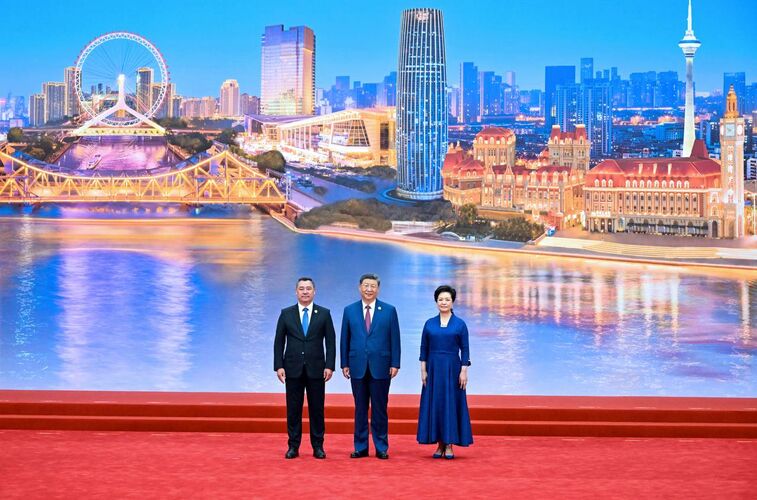
Chinese President Xi Jinping is set to embark on a pivotal diplomatic mission from August 30 to September 3, marking a significant intensification of Beijing’s global outreach. The tour begins in Kyrgyzstan, where Xi will participate in the Shanghai Cooperation Organisation (SCO) summit in Bishkek. This high-level gathering will bring together leaders from member states, including Russia and Iran, to navigate an increasingly complex international landscape.
Foreign Ministry spokesperson Lin Jian confirmed the itinerary during a Wednesday press briefing, emphasizing that the summit serves as a platform to deepen multilateral cooperation. Beyond the broader collective discussions, President Xi is scheduled to hold bilateral talks with his Kyrgyz counterpart, Sadyr Japarov. These sessions are expected to focus on regional security and the alignment of national interests as the SCO navigates the ongoing geopolitical tensions gripping the Eurasian landmass.
A Historic Return to Cairo
Following the conclusion of the SCO summit, the Chinese leader will travel to Egypt, marking his first state visit to the country in a decade. This leg of the tour is viewed by Beijing as a vital step in bolstering the long-standing bilateral relationship between the two nations. President Xi is scheduled to engage in direct discussions with President Abdel Fattah el-Sisi to address regional stability.
“The visit holds special significance for the development of bilateral ties and aims at making a positive contribution to safeguarding peace and stability in the region,” stated Lin Jian.
The timing of this visit is particularly notable given the volatile security climate in the Middle East. With the United States and Iran locked in an escalating conflict that has severely disrupted shipping through the Strait of Hormuz, the global energy market remains on edge. As China maintains significant economic dependencies on the region—historically its primary source of crude oil—Beijing is keen to project its influence as a stabilizing force.
This trip represents only the second overseas journey for President Xi this year, following his visit to North Korea in June. By engaging with key partners in Central Asia and the Middle East, China is signaling its intent to maintain a visible and active role in international affairs. The dual-destination tour underscores a broader strategy to secure energy supply chains and strengthen diplomatic alliances while Western-led regional conflicts threaten global economic flows.
As the international community watches, the outcome of these meetings could have far-reaching consequences for regional peace. Whether through the SCO framework or bilateral Egyptian-Chinese agreements, Xi’s diplomatic efforts aim to fortify China’s posture during a period of intense global instability. The visit highlights the intricate balancing act China must perform to protect its economic interests while navigating the competing ambitions of regional power brokers.