Iran and Oman Forge Temporary Strait of Hormuz Route
Tehran and Muscat have reached a critical consensus regarding a new, temporary maritime transit corridor through the strategically vital Strait of…
Featured image for news article
Tehran and Muscat have reached a critical consensus regarding a new, temporary maritime transit corridor through the strategically vital Strait of Hormuz. Kazem Gharibabadi, Iran’s deputy foreign minister for legal and international affairs, confirmed the development following intensive diplomatic discussions in the Iranian capital aimed at establishing a phased framework for managing vessel traffic through the world’s most significant energy chokepoint.
The Strait of Hormuz, which historically facilitated the passage of one-fifth of global oil and liquefied natural gas shipments, has remained largely paralyzed since the outbreak of the US-Israel war in February. The planned seven-mile-wide transit corridor is designed to alleviate some of the navigation pressures that have persisted since the waterway was closed by Tehran as a defensive response to the ongoing conflict.
Navigational Sovereignty and Transit Mechanics
Gharibabadi emphasized that the proposed arrangement prioritizes Iranian territorial oversight.
“The agreed-upon transit route with Oman is a temporary route,”
he stated during a broadcast on state television, noting that the corridor’s entry and a significant portion of its exit will be routed directly through Iranian territorial waters. This move represents a departure from the internationally recognized Traffic Separation Scheme established by the International Maritime Organization (IMO) in 1968.
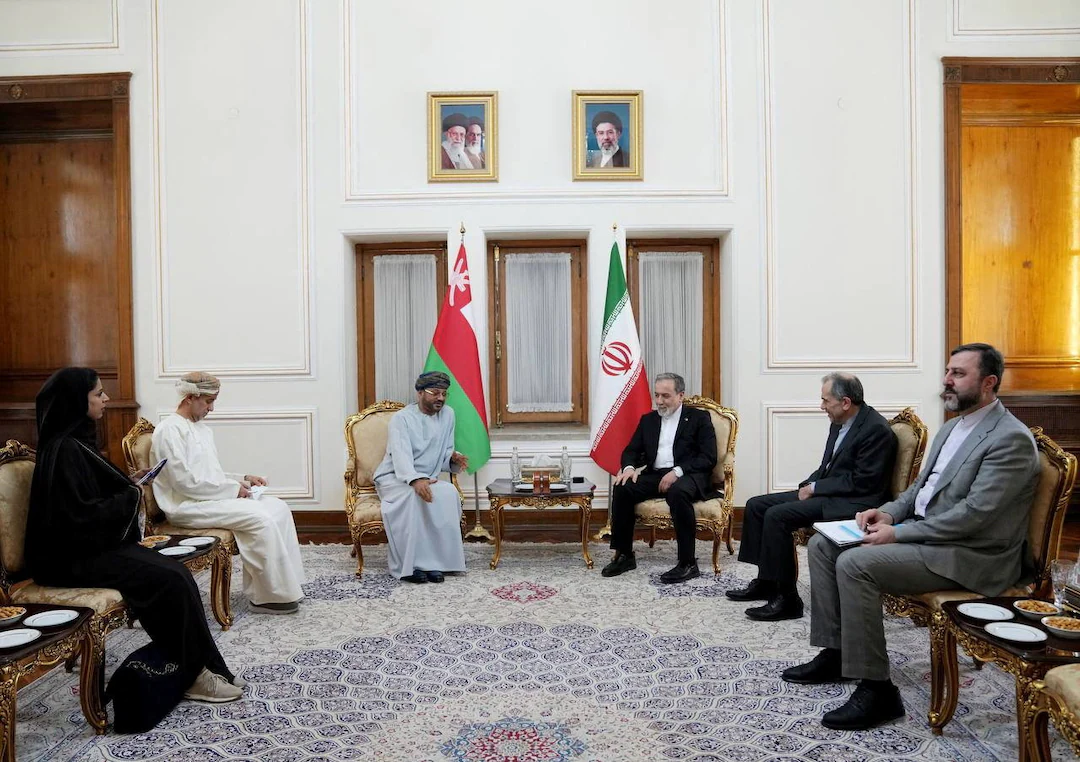
The diplomatic push to finalize these logistics involved a high-level meeting between Iranian Foreign Minister Abbas Araghchi and his Omani counterpart, Badr Albusaidi. The two officials reviewed the mechanics of the transit corridor and discussed a technical project aimed at clearing remnants of mines that were deployed during the height of the recent maritime tensions.
Conditions for Full Reopening
Despite the progress on the temporary corridor, the Iranian government maintains a firm stance regarding the broader reopening of the strait. Tehran has insisted that full, unrestricted access to the international waterway will remain suspended until the United States fully honors its obligations under the interim peace agreement signed this past June. The current arrangement is intended as a stopgap measure while technical experts work toward a long-term, comprehensive security framework.
Looking ahead, the joint diplomatic efforts between Tehran and Muscat are expected to evolve into a more permanent management system. Future phases of the agreement include the implementation of robust information-sharing mechanisms and the restoration of standard navigational and security services. Omani officials have expressed optimism about the timeline, noting that while the current focus is on this temporary solution, a permanent resolution remains the ultimate objective for all regional stakeholders involved in the discussions.
As the international community monitors the situation, the successful navigation of this temporary route will be contingent upon the continued adherence to the phased framework. The ongoing technical talks are crucial for ensuring that shipping traffic can eventually resume at pre-war levels, provided the geopolitical requirements regarding the US-Iran peace deal are consistently met by all signatory parties.