Algeria Shifts Primary Education from French to English
In a historic move that signals a significant departure from its colonial past, Algeria is restructuring its education system to prioritize English…
Featured image for news article
In a historic move that signals a significant departure from its colonial past, Algeria is restructuring its education system to prioritize English over French. Starting with the upcoming academic year, eight-year-olds in primary schools will begin their linguistic journey with English, effectively displacing the long-standing dominance of the French language in the national curriculum. This shift is not merely a change in school policy; it represents a broader structural and cultural realignment for the North African nation.
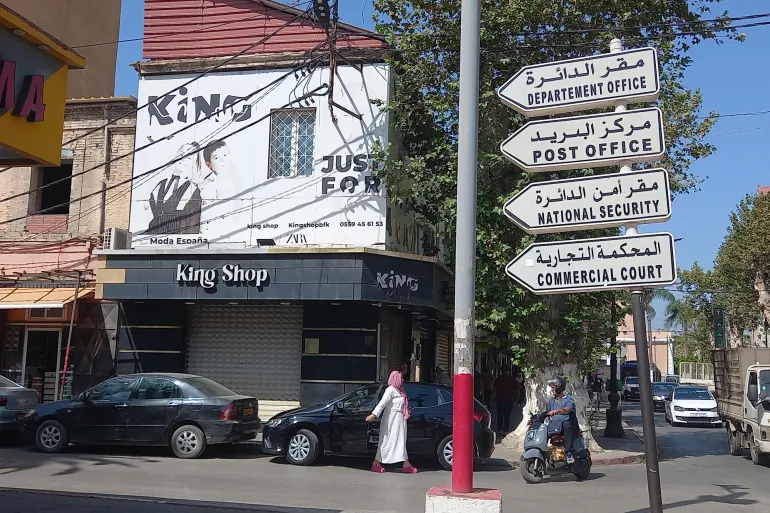
The reform, first introduced by President Abdelmadjid Tebboune in 2022, is reaching a critical milestone. By the 2026-2027 academic year, English is set to become the sole foreign language taught in the third year of primary education. French, which has held the status of the primary secondary language for six decades following independence, will be pushed to the fourth year of study. This transition reflects a growing trend in Algeria, where the move toward English is increasingly visible in public life, including government websites, official signage, and utility documentation.
Ahmed Krim, a 60-year-old retired teacher who dedicated 30 years to instruction in Algerian middle schools, views the change as a positive but challenging endeavor. While he supports the pivot, he emphasizes that success depends on more than just policy announcements.
“It is a very good decision. But it requires thinking, planning and resources,”
Krim noted, highlighting the practical hurdles that lie ahead for the Ministry of Education.
Overhauling the Educational Framework
Beyond the primary school level, the linguistic shift is already permeating higher education. Faculties of science and medicine have begun transitioning their academic programs from French to English, ensuring that future professionals are equipped with the global language of research and technology. However, experts warn that the transition requires a robust logistical foundation. Krim advocates for the restoration of specialized teacher training centers that were instrumental in the post-independence era, which utilized a hybrid model of classroom theory and direct school placements.
The move is unfolding against the backdrop of a deteriorating diplomatic relationship between Algiers and Paris. The tension escalated in July 2024, when French President Emmanuel Macron publicly supported Morocco’s sovereignty claim over the disputed Western Sahara territory. Given that Algeria supports the Sahrawi Polisario Front and provides sanctuary to over 170,000 refugees from the region, the French stance was received as an act of diplomatic provocation.
A Structural Shift
The geopolitical rift has accelerated the “de-Francization” of Algerian society. With the mutual expulsion of diplomats characterizing the current climate, the push to replace French with English has moved from a cultural preference to a strategic national priority. Whether the system can produce enough qualified educators remains the central question. Success will ultimately rely on the government’s ability to attract and train personnel who are genuinely committed to the new educational mandate, ensuring that the next generation is prepared for a globalized future liberated from the linguistic legacy of colonization.