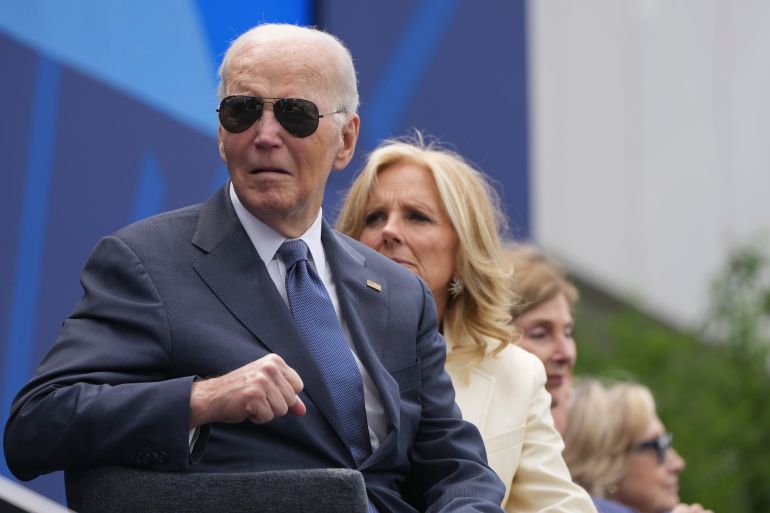
A U.S. district judge has dealt a legal blow to President Joe Biden, ruling against his attempt to block the release of audio recordings from interviews conducted for his 2017 memoir, Promise Me, Dad: A Year of Hope, Hardship, and Purpose. U.S. District Judge Dabney Friedrich, an appointee of Donald Trump, determined that the files must be turned over to the Heritage Foundation, a conservative think tank that had requested the materials under the Freedom of Information Act (FOIA).
The recordings, featuring conversations between Biden and his ghostwriter Mark Zwonitzer, were obtained by the Department of Justice during Special Counsel Robert Hur’s investigation into the president’s handling of classified documents. While Hur ultimately declined to pursue criminal charges against Biden, his report famously characterized the president as a "sympathetic, well-meaning, elderly man with a poor memory." The special counsel utilized the recordings to assess Biden’s mental acuity, a move that sparked intense political scrutiny regarding the president's age and fitness for office.
In her 26-page ruling, Judge Friedrich acknowledged that the public disclosure of these recordings would likely result in reputational harm to Biden. However, she concluded that such concerns, while significant, do not outweigh the public interest in transparency. The judge noted that the potential for political embarrassment does not constitute the "irreparable harm" required to justify a permanent injunction against the release of government-held documents.
The lawsuit brought by the Biden administration had argued that the Department of Justice possesses a duty to protect sensitive private information gathered during the scope of criminal investigations. By attempting to block the Heritage Foundation’s FOIA request, the administration sought to prevent the dissemination of transcripts and audio that have become a focal point in the broader debate surrounding Biden’s cognitive health—a topic that dominated headlines during his 2024 re-election campaign.
The decision marks a significant development in the ongoing tug-of-war between executive privacy and the public's right to information. As the recordings head toward public release, they are expected to fuel further discussion regarding the evidentiary standards used by special counsels and the extent to which private communications gathered in legal inquiries can be weaponized in the public sphere. The White House has yet to announce whether it will appeal the judge's decision.


Comments (0)
Login to join the discussion
No comments yet. Be the first to comment!