India Election Integrity Under Fire Amid Commission Splits
For generations, the Republic of India presented its massive electoral exercises as the crown jewel of its democratic framework. Yet, that…
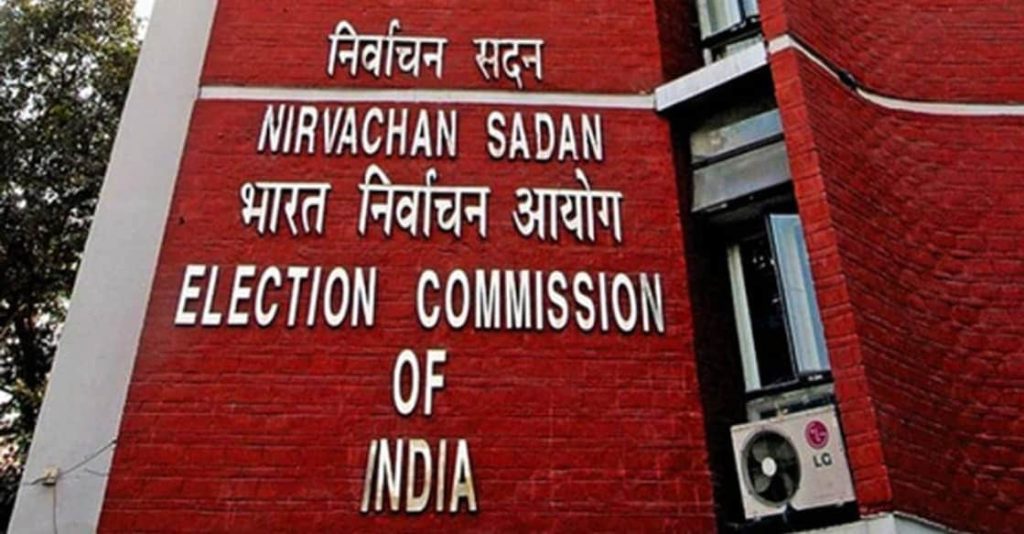
Featured image for news article
For generations, the Republic of India presented its massive electoral exercises as the crown jewel of its democratic framework. Yet, that foundational credibility faces unprecedented skepticism today.
Across New Delhi, India, the democratic foundation has stumbled following fresh disclosures that expose deep internal fractures inside the nation’s premier voting administration.
India’s Election Commission holds the constitutional mandate to supervise polls across the planet’s most populous democracy. Over previous decades, international observers widely praised the entity for flawlessly executing voting operations of staggering magnitude and intricacy.
However, an investigative piece published by The Indian Express revealed that the head of the panel routinely bypassed objections voiced by his peer commissioners regarding integrity modifications applied to voter registries.
These troubling insights emerged in the wake of prolonged resistance mounted by opposition factions, who accuse the polling authority of acting as an extension of Prime Minister Narendra Modi’s political outfit to secure unfair electoral gains.
Historically, the South Asian giant wrestled with extreme wealth disparities, societal fractures along caste, religious, and ethnic divides, and the surging influence of corporate capital during campaigns. Even amid these heavy burdens, international and domestic monitors largely regarded the actual execution of polling as independent and clean.
Nevertheless, prominent dissenting voices have recently begun questioning ballot accuracy, fundamental vote security, and whether arbitrary administrative discretion dictates citizen enfranchisement.
Erosion of Public Trust
Specialists warn that these emerging disclosures will inevitably deepen existing public anxieties regarding institutional reliability.
“Today, that faith [in the election process] has shaken. It is very shocking for the nation,” SY Quraishi, who headed India’s election commission between 2010 and 2012, shared with Crimson Reporters. “The Election Commission used to be a very reputed institution. Now, it is totally dysfunctional – and that’s an understatement.”
The core question now centers on the future trajectory of Indian democracy amid such institutional strain. Earlier in the week, reporting from The Indian Express leveraged confidential paperwork and direct interviews to spotlight severe discord among the three current commissioners: Gyanesh Kumar, Sukhbir Singh Sandhu, and Vivek Joshi, with Kumar serving as the chief.
Statutory guidelines mandate that the administrative board must reach decisions through a consensus or majority vote. Subsequent reporting demonstrated that the current leadership frequently sidelined dissenting viewpoints.
Key Operational Concerns
- Disagreements over voter database modifications
- Bypassing of equal-ranking commissioner input
- Allegations of partisan favoring
- Decisions impacting tens of millions of citizens
Ultimately, the unfolding controversy threatens to redefine how the international community evaluates the administrative impartiality of India’s democratic machinery moving forward.