FIFA Faces Scrutiny Over Scrapped Investment Project
FIFA has officially announced that it will present a comprehensive review of the FIFA Forward Enterprise (FFE) proposal to its ruling Council. This…
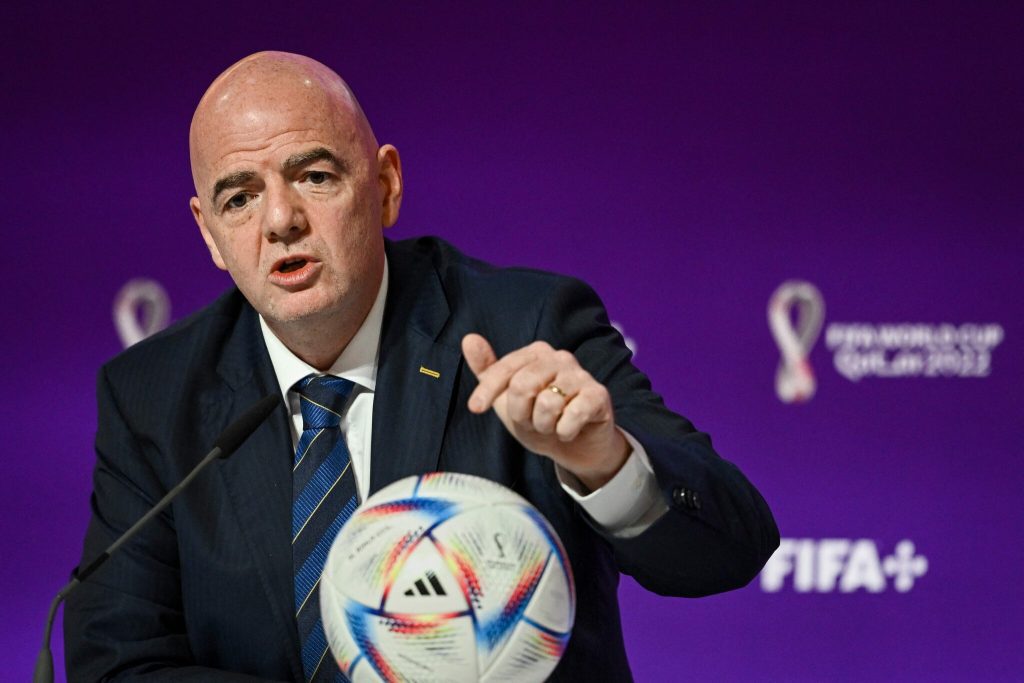
Featured image for news article
FIFA has officially announced that it will present a comprehensive review of the FIFA Forward Enterprise (FFE) proposal to its ruling Council. This decision follows mounting pressure from member associations and persistent calls for transparency regarding the abandoned project, which sought to sell commercial stakes in major football tournaments to external private investors.
The controversy surrounding the proposal, which was spearheaded by FIFA President Gianni Infantino, reached a boiling point last week. Jesper Moller, the head of Denmark’s football association, publicly criticized the governing body for its failure to address what he characterized as “critical questions” during a recent Legal Committee meeting. Moller’s vocal dissatisfaction highlighted a growing frustration among European football stakeholders regarding the lack of clarity provided by the Zurich-based organization.
Addressing the FIFA Council
In response to these inquiries, FIFA confirmed on Thursday that the formal review will be brought before the Council—a 37-member body tasked with the organization’s governance. FIFA’s statement to news outlets emphasized the role of its standing committees, noting that they are designed to provide expert advice and assistance to the Council in accordance with established Statutes and Governance Regulations.
“As previously communicated, a review of the withdrawn FIFA Forward Enterprise proposal will be presented to the FIFA Council,” the governing body stated.
The FIFA Council includes President Infantino, eight vice-presidents, and 28 members elected by the various football member associations. This body serves as the primary arena for debating the future of global football, and the inclusion of the FFE review suggests that the organization is attempting to mitigate the fallout from the failed initiative.
A Shift in Political Tensions
The proposed plan to sell a 20 percent stake in the World Cup and other major events had previously sparked a global backlash. Prominent confederations, including UEFA, the AFC, and CONCACAF, expressed significant concern, leading to internal discussions regarding the potential for a formal no-confidence vote against Infantino’s leadership.
The resistance has manifested in a united European front. Recently, Greek Football Association President Makis Gagatsis and former Germany national team Director Oliver Bierhoff aligned with UEFA’s push for structural change. These developments underscore the political instability currently facing the governing body as it approaches the next election cycle.
Despite this opposition, sources familiar with the ongoing discussions have indicated that Infantino maintains enough support among the broader membership to secure another term. Consequently, those seeking change appear to be shifting their strategic focus from removing the president to curbing his executive powers within the organization.
As the political landscape within FIFA continues to evolve, all eyes are turning toward the upcoming presidential election. The contest is officially scheduled for March 18, 2027, in Rabat. With Infantino set to seek a fourth term, the forthcoming review of the FFE project is expected to be a pivotal moment in determining the future direction of the organization and its leadership structure.