US Navy HQ in Bahrain Faces Closure After Iranian Strikes
The United States military is conducting an urgent assessment of its regional strategic footprint following a series of devastating Iranian strikes…
Featured image for news article
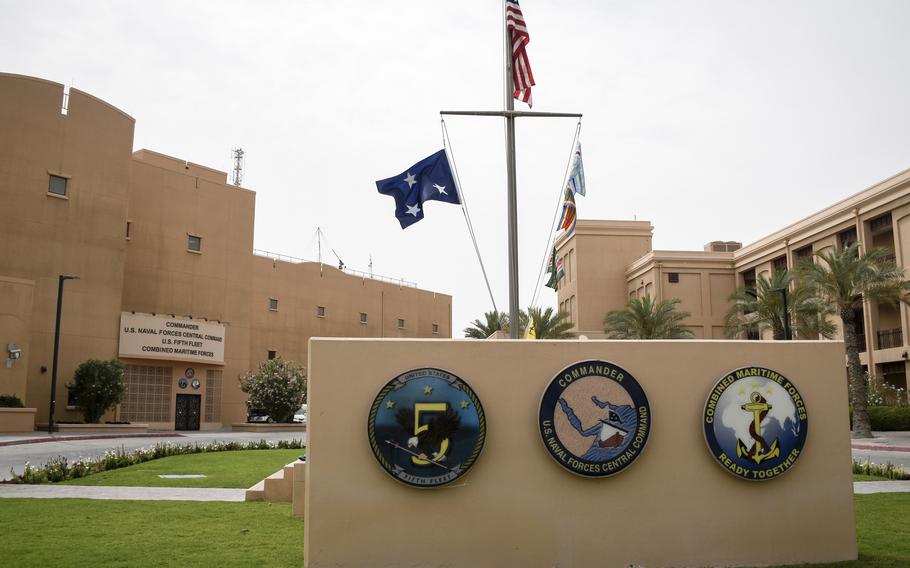
The United States military is conducting an urgent assessment of its regional strategic footprint following a series of devastating Iranian strikes on key installations. Acting Secretary of the Navy Hung Cao recently confirmed that the Naval Support Activity (NSA) base in Bahrain has sustained severe damage, raising significant concerns regarding the future of American operations in the Middle East.
During a candid interview with The Epoch Times, Cao acknowledged the severity of the situation, stating,
“They blew the hell out of Bahrain.”
This admission serves as a rare official confirmation of the operational impact resulting from the ongoing six-month conflict between the US, Israel, and Iran.
Escalating Threats to Regional Bases
The aggression has extended beyond Bahrain, with reports confirming that Iranian strikes also targeted the Muwaffaq Salti Air Base in Jordan, commonly referred to as the Al-Azraq base. These incidents resulted in significant damage to multiple US military aircraft, further complicating the Pentagon’s ability to project power across the region.
Open-source intelligence and satellite imagery analysis by The Wall Street Journal have revealed that the damage to the Bahrain facility was far more extensive than initially disclosed by the Pentagon. The investigation identified that the base’s command center and at least a dozen other essential buildings were hit during retaliatory strikes following late February air attacks.
Operational Challenges and Logistics
The tactical fallout of these attacks has hindered naval logistics, specifically regarding the USS Abraham Lincoln aircraft carrier. With the primary hub in Bahrain compromised, the crew has been left with “no place for them to pull in,” according to Acting Secretary Cao. This logistical bottleneck places immense strain on naval personnel currently serving extended nine-month deployments.
Addressing the long-term feasibility of the site, Admiral Daryl Caudle, the Navy’s most senior uniformed officer, indicated earlier this month that NSA Bahrain is unlikely to resume full operations in the immediate future. The extent of the structural degradation necessitates a comprehensive review of whether repairs are even viable.
The Path Forward
In response to the current crisis, the Department of the Navy has established a dedicated task force. This group is currently evaluating various contingencies, including the potential abandonment or relocation of the headquarters. The uncertainty surrounding these facilities highlights the shifting balance of power in the Gulf.
Iranian Foreign Minister Abbas Araghchi addressed the admission of damage, noting his appreciation for the candor displayed by the acting secretary. He characterized the strikes as a direct response to what he termed “US aggression,” claiming that Iran’s armed forces successfully crippled the 5th Fleet headquarters.
As the conflict continues to unfold, the Pentagon faces increasing pressure to justify the sustainability of its land-based assets in the region. The repeated success of Iranian strikes against fortified positions suggests a need for a fundamental shift in defensive strategy to protect US service members and equipment from future incursions.