Chad Accuses Sudanese Military of Deadly Border Strike
Tensions between Chad and Sudan have escalated sharply following a lethal air strike on a fuel market near their shared border. Chadian officials…
Featured image for news article
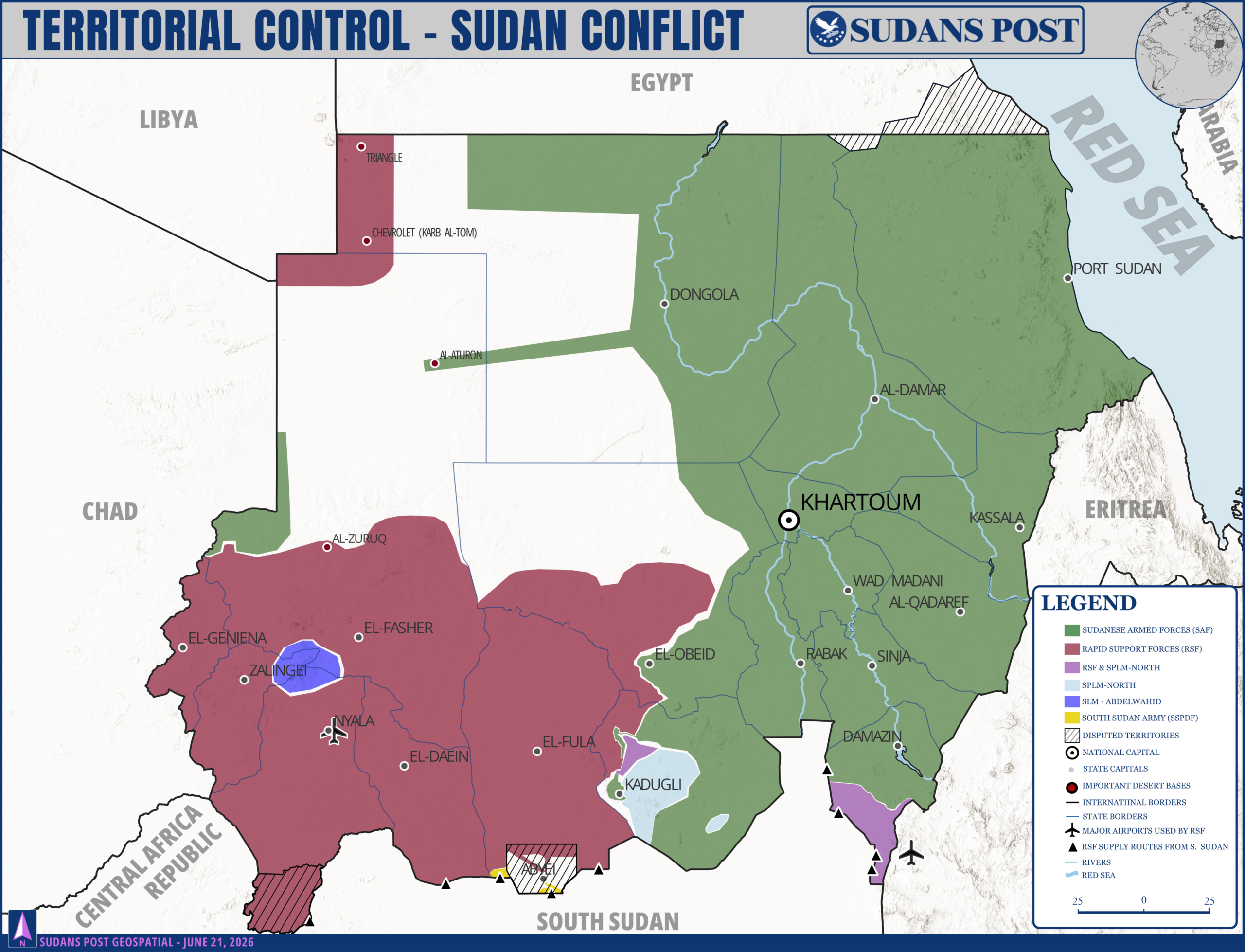
Tensions between Chad and Sudan have escalated sharply following a lethal air strike on a fuel market near their shared border. Chadian officials reported that the attack resulted in the deaths of at least 12 people, with an additional seven individuals sustaining injuries. The strike, which targeted a site allegedly used by the Rapid Support Forces (RSF) to refuel, has prompted an immediate diplomatic outcry from N’Djamena.
This incident follows a troubling pattern of cross-border military activity. Just last week, Chad reported another air strike that impacted a military convoy deep within its own territory, specifically in the eastern Ennedi region. While that earlier attack fortunately resulted in no casualties, the recurring nature of these strikes has forced the Chadian military to significantly ramp up its defensive posture along the border.
Heightened Security and Military Response
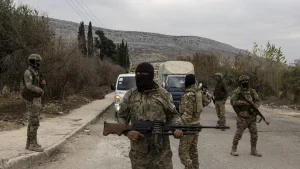
In response to the growing threat posed by drones and potential ground incursions, Chad has raised its security alert level to the highest possible designation. According to local security sources, the military has deployed approximately 100 armoured vehicles and specialized signal-jamming trucks to the area near eastern Tine. These measures are intended to neutralize drone threats and secure a region that has become a flashpoint in the ongoing Sudanese conflict.
The Sudanese government, however, has reacted with skepticism to the accusations. In a formal statement released on Thursday, the Sudanese Foreign Ministry expressed surprise at the allegations, insisting that no professional or independent investigation had yet taken place to verify the claims. The Ministry maintained that its forces are strictly focused on their constitutional duties:
“Our forces are carrying out their constitutional duty to protect Sudan’s sovereignty, security and safety and to face any threats it faces, while respecting the sovereignty of its neighbours and without targeting their territory.”
The United States embassy in Khartoum has taken a firm stance, publicly accusing the Sudanese army of executing the strikes on Chadian soil and condemning the violence. This international criticism adds pressure to a situation already strained by a three-year civil war that has displaced millions and created a massive humanitarian crisis. Sudan has previously leveled its own accusations against Chad, claiming that the country is aligned with the RSF paramilitary group.
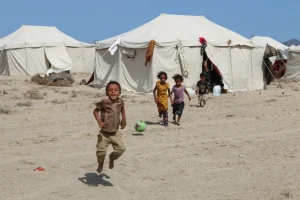
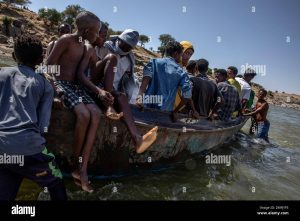
The human cost of this conflict continues to mount, as nearly one million displaced Sudanese refugees have sought shelter in Chad. These refugees currently face a severe water crisis, exacerbating the logistical challenges for the Chadian authorities who are now forced to manage both a humanitarian emergency and an encroaching military threat. The situation remains highly volatile, with both nations trading accusations as the stability of the border region remains in jeopardy.