Pakistan Leads High-Stakes Diplomacy to De-escalate Iran War
In a pivotal move to stabilize the volatile Gulf region, a high-level Pakistani delegation concluded a critical daylong diplomatic mission in Tehran…
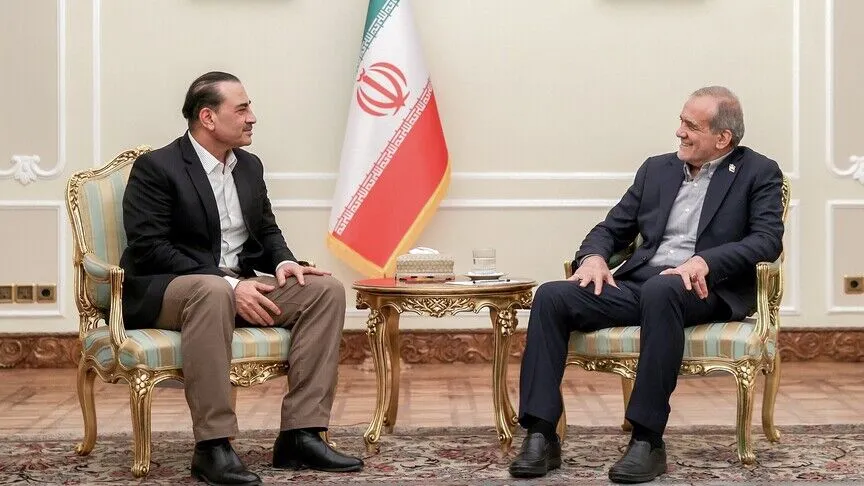
Featured image for news article
In a pivotal move to stabilize the volatile Gulf region, a high-level Pakistani delegation concluded a critical daylong diplomatic mission in Tehran this Monday. Led by the nation’s army chief, Field Marshal Syed Asim Munir, and Interior Minister Mohsin Naqvi, the mission sought to bridge the dangerous divide between Tehran and Washington. Pakistani officials have reported significant progress in these deliberations, which aim to finalize an enduring peace framework and halt the ongoing US-Iran conflict.
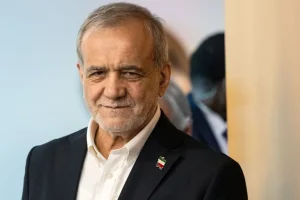
The Pakistani military confirmed that Field Marshal Munir held extensive discussions with Iran’s top leadership, including President Masoud Pezeshkian, Foreign Minister Abbas Araghchi, and the Secretary of the Supreme National Security Council, Mohsen Rezaei. The primary objective of these meetings was to establish concrete measures to prevent further military escalation, ensure the security of the vital Strait of Hormuz, and work toward the expedited termination of hostilities that have destabilized the region.
Reviving the Islamabad MoU
A central focus of the mission was the potential restoration of the “Islamabad MoU,” an interim framework previously mediated by Pakistan to manage tensions. Interior Minister Mohsin Naqvi emphasized that the dialogue was conducted in a highly positive atmosphere, noting that both parties engaged in constructive discussions regarding the necessary steps to restore the agreement. Despite the lingering complexities of the conflict, the delegation remains optimistic that the current diplomatic momentum will foster long-term stability.
“Significant progress was made, and the meeting concluded on a highly positive note. We remain hopeful that this momentum will help pave the way for further progress and lasting peace in the region,” said Interior Minister Mohsin Naqvi.
Iranian Demands for Policy Shifts
While the mood was described as constructive, the path to a full resolution remains fraught with challenges. Iranian media outlet Tasnim reported that President Pezeshkian delivered a stern message to the Pakistani officials, asserting that Washington must fundamentally alter its diplomatic posture. According to Pezeshkian, the US must move away from “coercion” and “dictating terms,” warning that continued intimidation tactics would only serve to complicate the implementation of the previously signed memorandum.
The urgency of these talks stems from the precarious state of the original MoU, which was signed on June 17 but collapsed following renewed ship seizures and regional strikes. With the agreement having officially expired last week, the diplomatic pressure on all parties has reached a breaking point. The situation is further compounded by the Trump administration’s recent warnings of severe economic penalties for nations supporting Tehran, alongside Iran’s implicit threats to shutter critical Gulf oil export routes.
As the international community watches closely, Pakistan’s role as a mediator remains the primary vehicle for de-escalation. The success of these efforts hinges on whether Washington and Tehran can find enough common ground to replace rhetoric with a durable, functioning peace agreement before the region slides into deeper economic and military crisis.