Kremlin Resists Calls from Hardliners for Nuclear Escalation
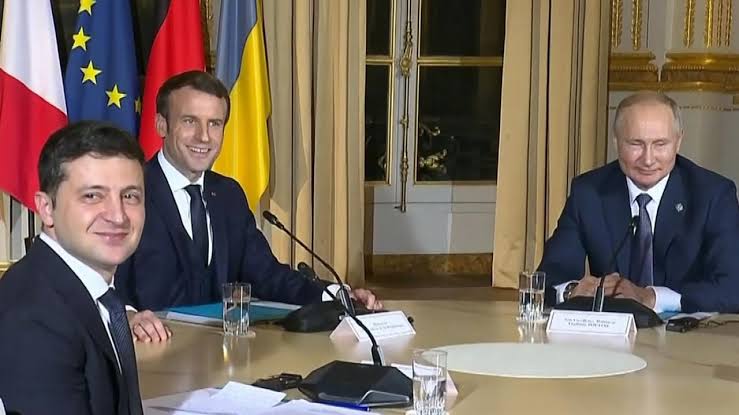
Featured image for news article
Pressure is mounting within Moscow as influential hardline factions reportedly urge the Kremlin to abandon all diplomatic efforts regarding the ongoing conflict. These voices, characterized by their increasingly extreme rhetoric, are calling for a definitive shift toward total escalation, suggesting the use of tactical nuclear weapons to break the current deadlock on the battlefield.
The demands from these groups extend beyond nuclear brinkmanship. Proponents of this aggressive stance have previously advocated for a range of radical measures, including the targeted assassination of Ukrainian leadership and a complete rejection of any negotiated settlement. These figures argue that the conflict has reached a stage where conventional military tactics are no longer sufficient to secure a victory.
Despite the growing noise from these ultranationalist circles, official reports indicate that the Kremlin is currently pushing back against these radical proposals. Observers suggest that the leadership remains wary of the catastrophic consequences associated with nuclear use and the diplomatic isolation that would inevitably follow such a decision.
In the West, however, the situation is being viewed with cautious scrutiny. Intelligence and policy experts are debating the extent to which these hardline demands reflect actual shifts in government policy versus mere political theater. There is a prevailing sentiment among some analysts that these calls are being amplified by sidelined military figures who are increasingly detached from the logistical and geopolitical realities of the war.
This dynamic highlights the internal friction within the Russian power structure. While the Kremlin continues to maintain a facade of control, the emergence of vocal factions advocating for “total war” suggests a volatile political environment. The balancing act between satisfying domestic nationalists and maintaining international stability remains a central challenge for the current administration.
As the conflict enters a protracted phase, the international community continues to monitor these internal power struggles closely. While current evidence suggests the Kremlin is choosing to resist the most extreme voices, the persistent pressure from hardliners serves as a constant reminder of the unpredictable nature of the ongoing crisis.
Summary:
- Hardline factions in Moscow are pushing for nuclear escalation and radical tactical changes.
- The Kremlin is currently resisting these calls, prioritizing diplomatic and conventional channels.
- Western observers remain skeptical, viewing the rhetoric as largely performative.
- Internal divisions in Russia reflect a complex power struggle over the future of the conflict.