Gulf States Pivot to Diplomacy as US-Iran De-escalation Takes Hold
A strategic shift is rippling across the Middle East as Gulf nations embrace a newfound pragmatic approach to regional security. Following a volatile…
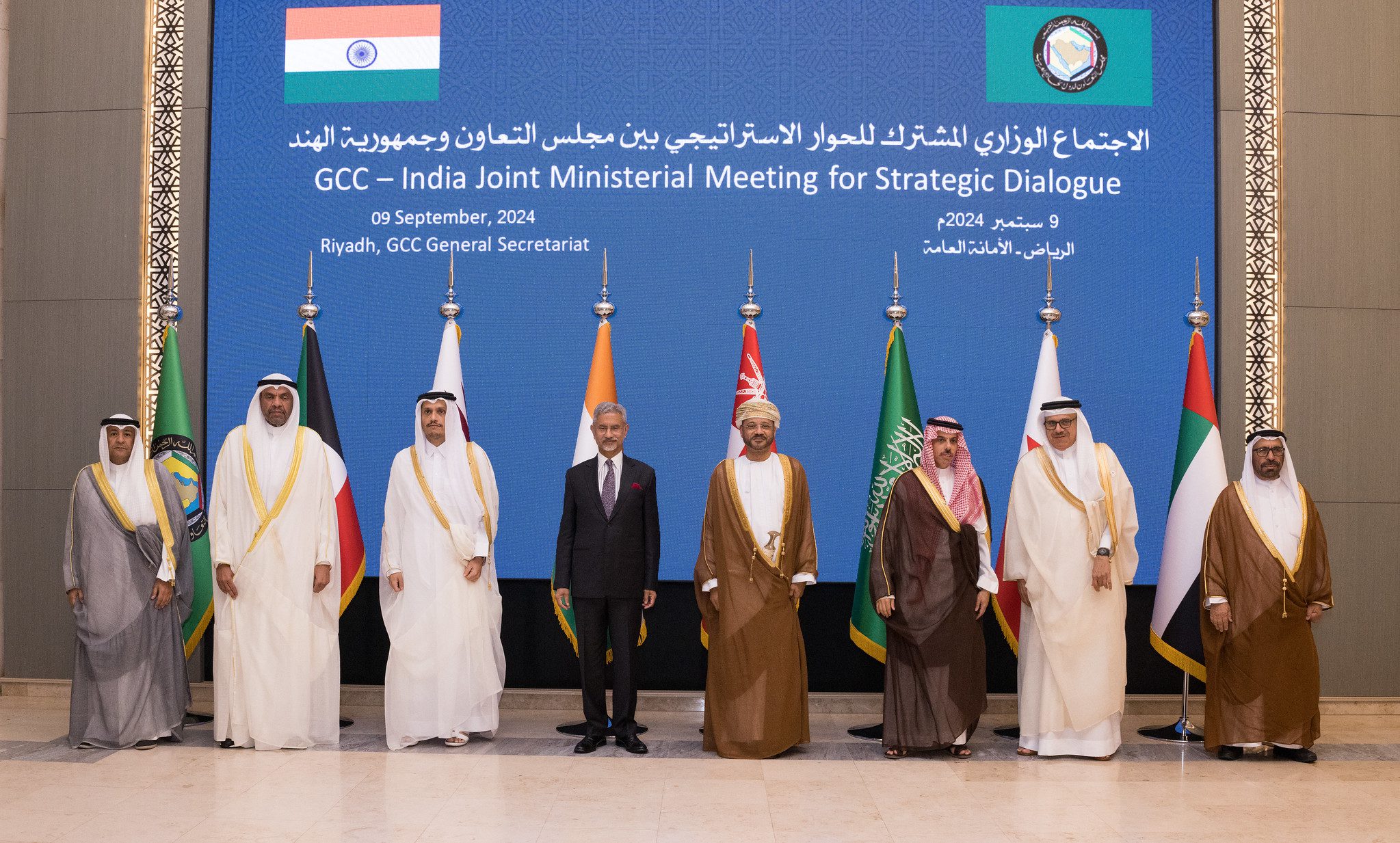
Featured image for news article
A strategic shift is rippling across the Middle East as Gulf nations embrace a newfound pragmatic approach to regional security. Following a volatile period of military engagement, the six members of the Gulf Cooperation Council (GCC)—Saudi Arabia, the UAE, Qatar, Kuwait, Bahrain, and Oman—have officially welcomed a breakthrough memorandum of understanding (MoU) between the United States and Iran.
The GCC, established in 1981 to hedge against Iranian regional influence, has long maintained a stance of cautious containment. However, the recent escalation—which saw Israel and the U.S. launch strikes on Iranian targets, followed by retaliatory attacks on Gulf cities—has forced a recalibration of priorities. Regional leaders have concluded that military confrontation poses an existential threat to their own stability.
Analysts suggest this pivot is rooted in geopolitical realism rather than genuine reconciliation. Farah al-Qawasmi, a researcher at the Gulf Studies Center at Qatar University, notes that the conflict has compelled these nations to pursue enhanced dialogue as a primary deterrent. For the Gulf states, the priority is no longer isolating Tehran at all costs, but rather containing the spillover effects of a widening regional war.
The skepticism remains high, particularly regarding Iran’s long-term regional intentions. Despite this, there is a broad consensus that diplomatic frameworks—however flawed—are preferable to the chaos of open warfare. The current environment has proven that kinetic military action often invites direct retaliation, threatening vital trade routes and national infrastructure.
Rob Geist Pinfold, a security expert at King’s College London, highlights that Iran’s recent deployment of drones and missiles to threaten the Strait of Hormuz demonstrated that the threat to the Gulf is unconventional and persistent. Attempting to manage such threats through force has proven ineffective, leading regional actors to lean into the current U.S.-brokered diplomatic opening.
Ultimately, the Gulf states are attempting to insulate themselves from the destabilizing actions of their neighbors by fostering a more predictable diplomatic environment. While the road ahead remains fraught with uncertainty, the consensus is clear: the era of relying on external military escalation to manage Tehran is being replaced by a calculated, state-led push for de-escalation.
1. Gulf states are prioritizing regional stability over the containment of Iran.
2. A new U.S.-Iran MoU is viewed as a necessary tool to prevent further regional conflict.
3. Military strikes have backfired, proving that diplomacy is the only viable path to protecting Gulf infrastructure.