Rubio Tours Gulf to Reassure Allies Following US-Iran Ceasefire Deal
United States Secretary of State Marco Rubio has embarked on a critical diplomatic tour of the Gulf region, seeking to soothe anxieties among…
Featured image for news article
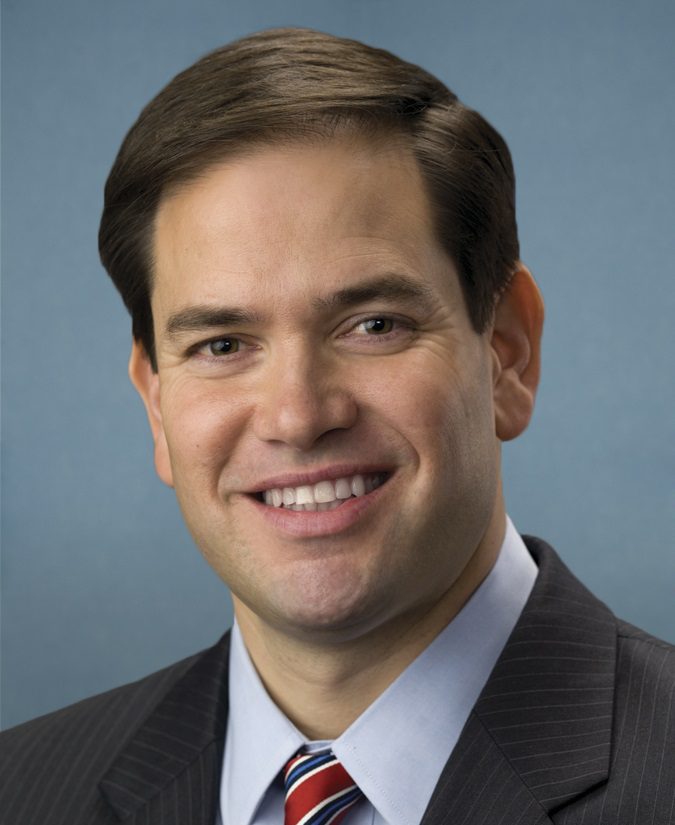
United States Secretary of State Marco Rubio has embarked on a critical diplomatic tour of the Gulf region, seeking to soothe anxieties among regional partners regarding the recently signed memorandum of understanding (MoU) between Washington and Tehran. The agreement, intended to formalize a ceasefire and end over 100 days of intense conflict, has left many Gulf Cooperation Council (GCC) nations concerned about the long-term implications for their security and economic stability.
On Wednesday, Rubio held high-level discussions in Abu Dhabi, meeting with United Arab Emirates President Sheikh Mohamed bin Zayed Al Nahyan, National Security Advisor Sheikh Tahnoun bin Zayed Al Nahyan, and Foreign Minister Sheikh Abdullah bin Zayed Al Nahyan. The Secretary of State emphasized that the administration is committed to incorporating the perspectives of its regional allies into the finalization of the peace framework.
The conflict, which erupted on February 28 following a joint US-Israeli military campaign that resulted in the death of Iranian Supreme Leader Ali Khamenei, saw widespread regional escalation. Tehran responded with significant strikes across the Gulf, including large-scale drone and missile attacks on the UAE, Kuwaiti infrastructure, and Qatar’s vital Ras Laffan gas facility. The resulting instability severely impacted global energy markets.
A primary point of contention in the ongoing negotiations involves the Strait of Hormuz. Iran’s previous attempts to block the maritime chokepoint resulted in massive revenue losses for GCC nations. While the current MoU includes provisions for the resumption of maritime traffic and the lifting of US blockades on Iranian ports, ambiguity remains regarding Iranian demands for transit fees.
President Trump has taken a firm stance on the matter, using social media to clarify that the US will not tolerate any tolls, insurance surcharges, or additional levies on vessels navigating the strait. This firm directive is expected to be a central theme in Rubio’s upcoming consultations as he travels to Kuwait and Bahrain.
With 60 days of intensive talks ahead to resolve issues including Iran’s nuclear program, the US faces the difficult task of balancing a durable peace with Tehran while maintaining the confidence of its traditional Gulf allies.
- Secretary of State Marco Rubio is touring the Gulf to address security concerns over the US-Iran ceasefire deal.
- The deal follows a 100-day conflict that saw significant infrastructure damage across GCC nations.
- Key negotiations are focused on ensuring open trade through the Strait of Hormuz without illicit Iranian tolls.
- US officials are working to reconcile the new peace framework with the long-term regional security interests of their partners.