Mothers and Mentors: How Women Are Ending Gang Violence in Nigeria
In the embattled neighborhoods of Maiduguri, Nigeria, a quiet revolution is taking place. While government crackdowns and police interventions have…
Featured image for news article
In the embattled neighborhoods of Maiduguri, Nigeria, a quiet revolution is taking place. While government crackdowns and police interventions have historically dominated the response to gang violence, a new, grassroots movement led by local women is proving that empathy and mentorship may be the most effective tools for lasting peace.
Mohammed Abdulhamid, a former gang member residing in the Ajilari district, bears the physical scars of his past. His right hand, mutilated during a 2023 retaliatory attack, serves as a grim testament to the cycle of violence that once consumed his life. Today, he channels that trauma into a mission: steering local teenagers away from the “Marlian” youth gangs that have long terrorized the city with machetes, axes, and rampant street crime.
The rise of these gangs is deeply rooted in the broader instability of Borno State, the epicenter of the long-standing Boko Haram insurgency. With more than two million people displaced and a generation raised in the shadow of conflict, many youths have turned to illicit substances and petty crime as a means of survival. This desperation often serves as a gateway to more organized, lethal forms of gangsterism.
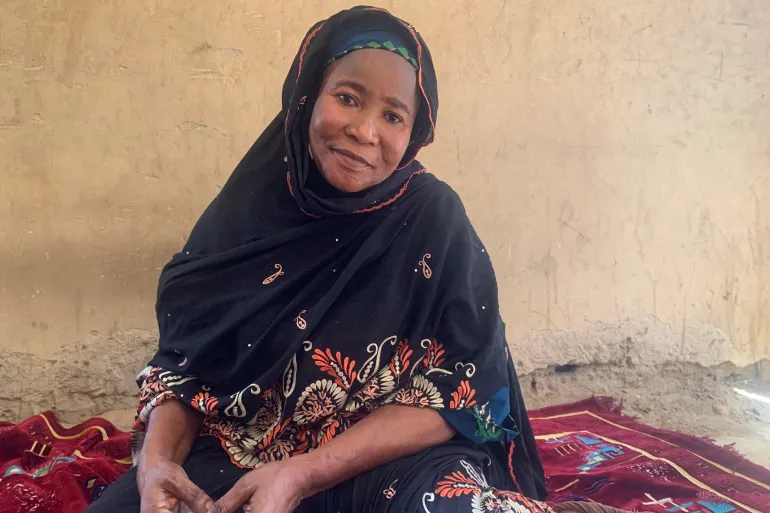
Hassana Ibrahim Waziri, Executive Director of the Unified Members for Women Advancement (UMWA), is at the forefront of the intervention efforts. She argues that the issue is not merely one of criminality, but a symptom of deep-seated trauma. Her organization works to provide alternatives, focusing on counseling, vocational training, and social reintegration to disrupt the trajectory from at-risk youth to career criminal.
These women-led initiatives are critical because they focus on the household level, identifying the warning signs before a teenager is recruited into a street gang. By engaging mothers, teachers, and reclaimed gang members like Abdulhamid, the movement seeks to dismantle the cultural allure of gang life that has plagued neighborhoods like Jere and Maiduguri for years.
While the Borno State government continues to utilize security crackdowns to restore order, community leaders acknowledge that enforcement alone cannot heal the region. The persistence of these women highlights a vital shift in conflict resolution: moving beyond the reach of the law to change the mindset of a generation that has known nothing but strife.
1. Grassroots efforts are replacing force in the fight against gang violence in Maiduguri. 2. Former gang members are now mentors for at-risk youth. 3. Women-led groups are addressing the root causes of crime, such as trauma and lack of opportunity. 4. The initiatives aim to break cycles of conflict intensified by the regional insurgency.