Lebanon, US, and Qatar Push for Deconfliction to Stabilize Border
Lebanese leadership is intensifying diplomatic efforts to solidify a fragile ceasefire as international negotiators move to establish a formal…
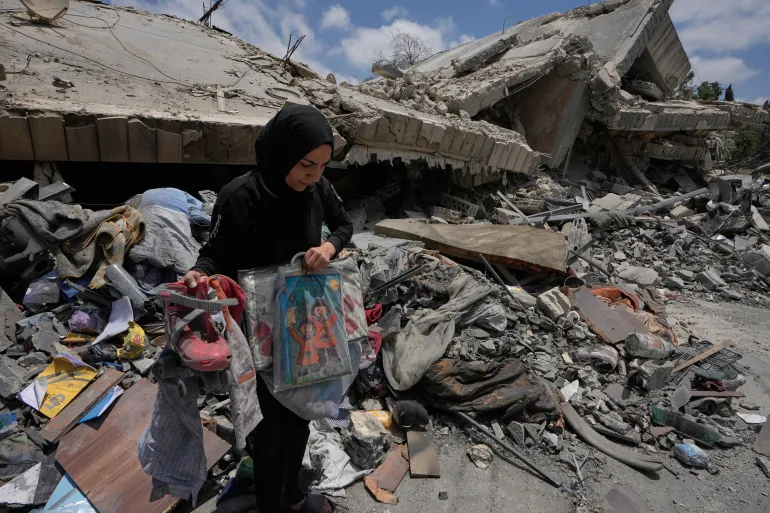
Featured image for news article
Lebanese leadership is intensifying diplomatic efforts to solidify a fragile ceasefire as international negotiators move to establish a formal “deconfliction mechanism.” In high-level discussions held Monday, Lebanese President Joseph Aoun consulted with US Vice President JD Vance and the Qatari Prime Minister to outline a framework aimed at preventing further military escalation along the volatile Israel-Lebanon border.
The proposed mechanism involves the creation of a specialized deconfliction cell, a development confirmed by mediators from Qatar and Pakistan. While specific operational details remain sparse, the initiative is designed to ensure strict adherence to the cessation of hostilities. Both regional and international stakeholders view this as a critical step toward de-escalating the ongoing cycle of Israeli airstrikes and retaliatory fire from Hezbollah.
The urgency of these talks comes ahead of a crucial fifth round of peace negotiations scheduled to resume in Washington on Tuesday. These talks, which represent the first direct diplomatic engagement between Lebanese and Israeli delegations since 1993, are seen as a litmus test for regional stability. However, the path to peace remains fraught with complications, as Hezbollah has publicly criticized the Lebanese government’s participation, raising questions about the group’s willingness to wind down its military activities.
The role of Iran, a primary backer of Hezbollah, remains central to the negotiation process. Tehran has repeatedly signaled that a comprehensive peace agreement with the United States must address war fronts across the region, including Lebanon. Iranian Foreign Minister Abbas Araghchi recently characterized the success of the new deconfliction cell as the “first real test” of the ongoing diplomatic thaw between Tehran and Washington.
US Vice President JD Vance emphasized that the mechanism is intended to prevent localized skirmishes from spiraling into a broader regional war. “We do believe we can get to a place where Lebanon’s territorial integrity and sovereignty are protected, while Israel’s security is also protected,” Vance noted, adding that success will depend on coordination with the Lebanese Armed Forces and pressure on Hezbollah to restrain its operations.
Despite the diplomatic momentum, the situation on the ground remains precarious. Israel continues to maintain a military presence in parts of southern Lebanon, and tensions with the White House have surfaced. Recently, the US administration issued stern warnings to Israeli leadership, cautioning that military force alone cannot resolve complex national security crises.
1. Lebanon, the US, and Qatar are establishing a deconfliction cell to stabilize the border.
2. The mechanism aims to prevent regional escalation ahead of Tuesday’s peace talks in Washington.
3. Iran views the success of this cell as a pivotal test for broader US-Iran negotiations.
4. Tensions persist as Hezbollah continues to challenge the legitimacy of the diplomatic process.