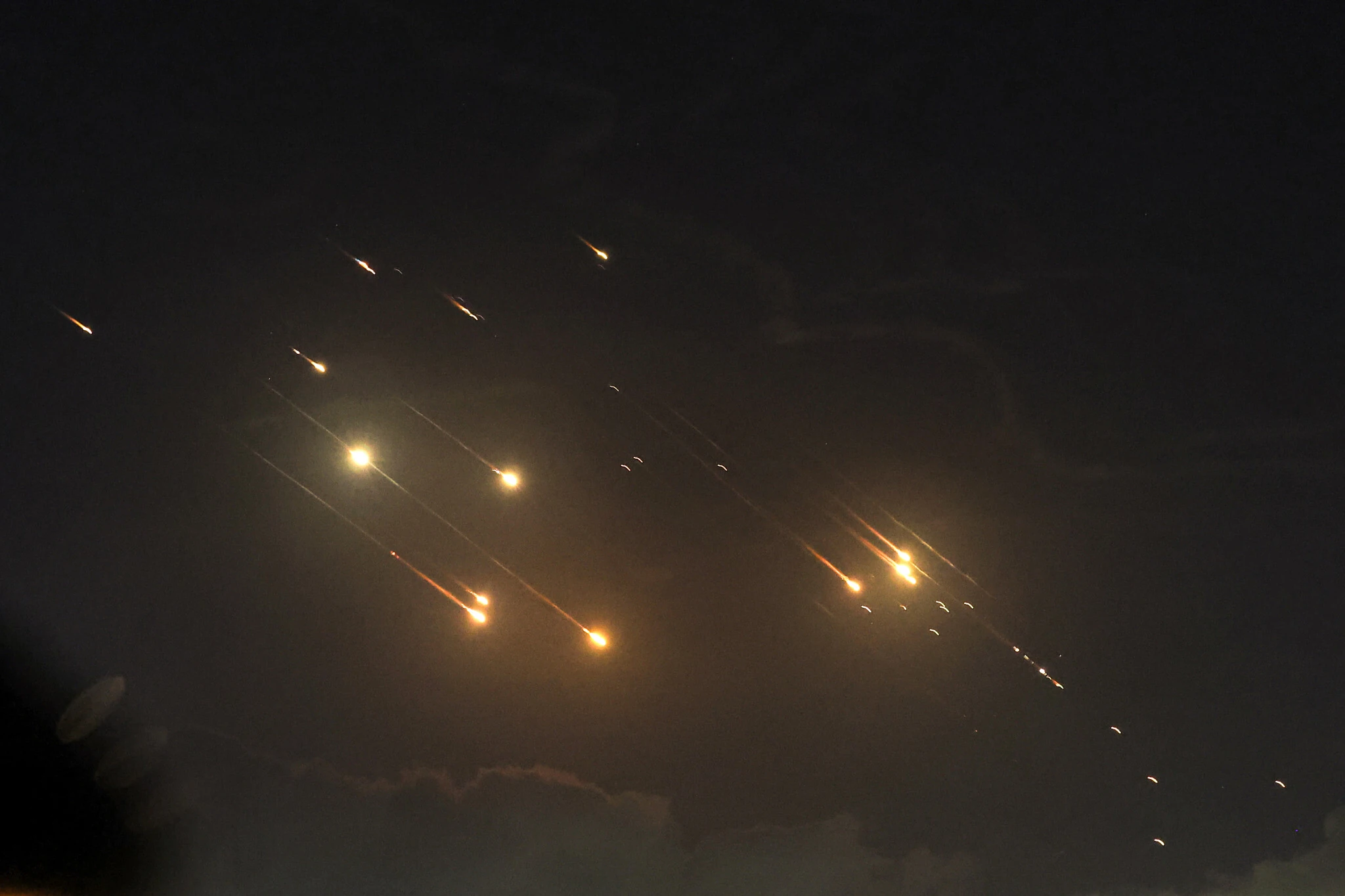
Military analysis of Iran’s recent operations reveals a stark reality: initiative is everything. During Operation True Promise-2, Iran held the element of surprise. By launching from fully operational bases before the enemy could react, they overwhelmed defenses, reportedly landing over 50 successful hits.
In contrast, waiting to respond during the 12-Day War proved costly. Because Iranian bases were already suppressed by enemy fire, the volume of outgoing missiles dropped. This made it significantly easier for air defense systems to intercept the smaller, scattered waves.
The takeaway is clear. For a missile-heavy doctrine, the weapons are most effective as offensive tools rather than reactive ones. Shifting from a defensive posture to a proactive strike maximizes impact and ensures the "saturation" of enemy targets.
Key Takeaways
Surprise is a Force Multiplier: Striking first prevents enemy suppression and keeps launch sites at 100% capacity.
Volume Overwhelms Defenses: High-density missile waves are significantly harder to intercept than staggered retaliatory strikes.
Offense is the Best Defense: For missile-reliant militaries, the primary advantage lies in dictating the timing of the conflict.
Would you like me to analyze the specific missile types used in these operations?
Comments (0)
Login to join the discussion
No comments yet. Be the first to comment!