Iran Proposes Seven-Day Plan to End Conflict
NEW YORK — In a diplomatic push during the United Nations General Assembly, Tehran has introduced a compressed seven-day schedule designed to halt…
Featured image for news article
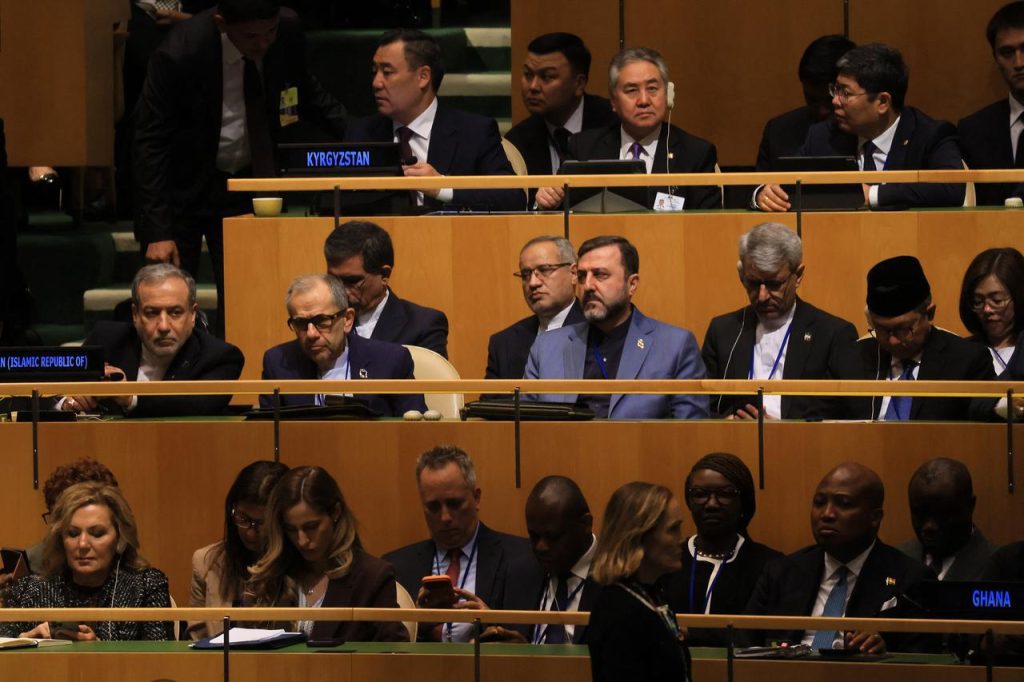
NEW YORK — In a diplomatic push during the United Nations General Assembly, Tehran has introduced a compressed seven-day schedule designed to halt hostilities with Washington and restore stability to vital maritime corridors.
Foreign Minister Abbas Araghchi unveiled the initiative to reporters in New York on Thursday, according to US media reports. The strategy is structured around reviving the framework of a June Memorandum of Understanding brokered by regional intermediaries.
Reviving a Collapsed Agreement
The previous understanding between Washington and Tehran collapsed in August following mutual accusations of violations. That initial agreement, facilitated by Qatar and Pakistan, had originally established a sixty-day window for comprehensive negotiations before unraveling amid competing claims regarding maritime jurisdiction.
The newly pitched timetable demands that the United States fulfill specific obligations within a single week to restart formal talks and alleviate the severe pressure currently affecting global shipping lanes.
Restrictions placed on the Strait of Hormuz have emerged as a central flashpoint during the nearly seven-month conflict, heavily disrupting worldwide shipments of oil and natural gas.
Core Demands of the Roadmap
According to details published by The New York Times, the proposed sequence of events requires a complete cessation of combat operations across all active fronts—including Lebanon and Gaza—within the designated seven-day period.
Concurrently, Washington would be expected to execute several significant economic and military concessions:
- Unfreeze Iranian financial reserves valued at no less than $12bn.
- Waive existing penalties targeting petroleum exports.
- Lift the ongoing naval blockade choking regional commerce.
The schedule dictates that the Strait of Hormuz would officially reopen on the final day of the implementation phase. Furthermore, formal discussions concerning the Iranian nuclear program—identified by President Donald Trump as the fundamental catalyst for the hostilities—would commence immediately.
Diplomatic Signals From Tehran
While presenting the schedule to journalists, Abbas Araghchi emphasized the delivery of the document through diplomatic channels, stating: “We have introduced a plan to the United States through the intermediators.”
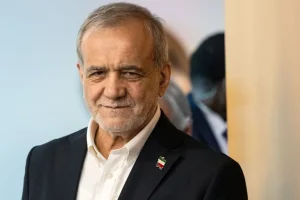
Echoing these sentiments during a separate television interview in the United States, Iranian President Masoud Pezeshkian asserted that the responsibility for concluding the conflict rests entirely with the current administration, noting that his nation harbors no desire to sustain the ongoing warfare.
President Donald Trump had previously declared the earlier diplomatic framework void on July 7 following weeks of escalating skirmishes and disputes over passage rights through the vital waterway.
Crimson Reporters will continue to follow these developments as international intermediaries evaluate the viability of this ambitious schedule.