Military Chiefs Head to Riyadh Amid Houthi Attacks
Top military leadership from both Pakistan and Turkiye are making urgent journeys to Riyadh following an appeal from Saudi Arabia to activate their…
Featured image for news article
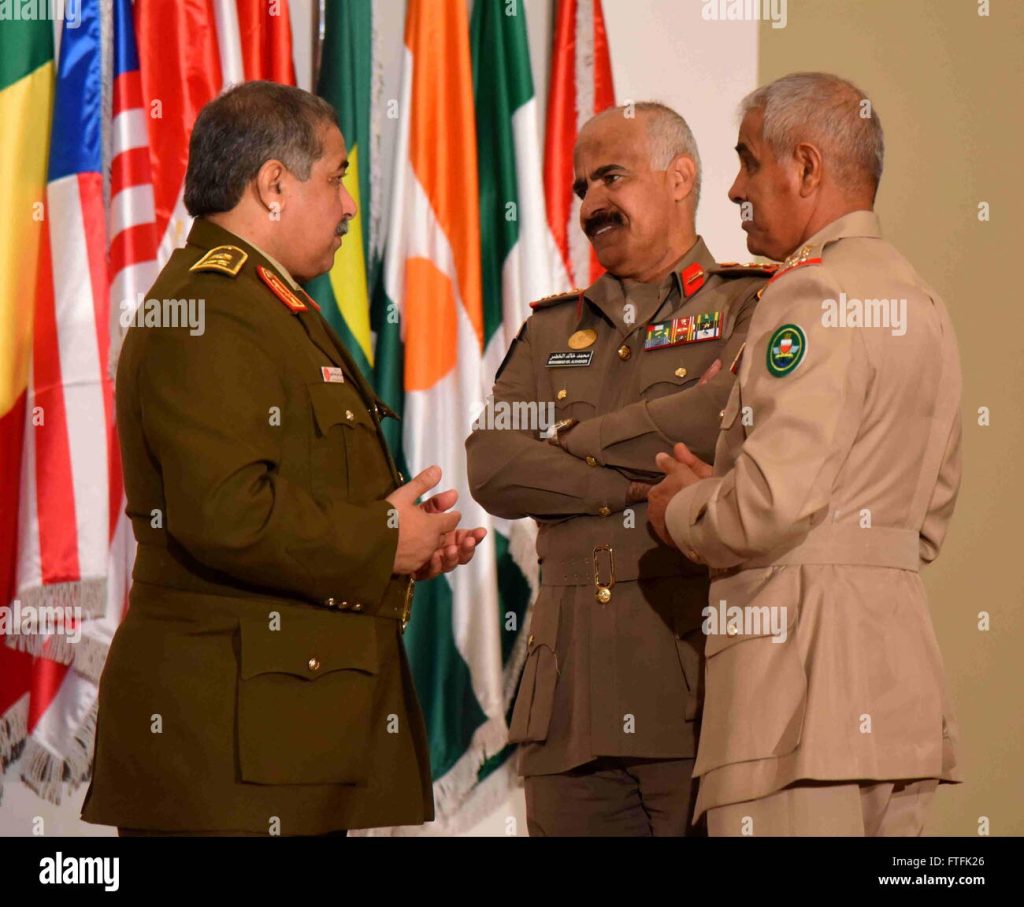
Top military leadership from both Pakistan and Turkiye are making urgent journeys to Riyadh following an appeal from Saudi Arabia to activate their mutual security pact. Crimson Reporters has learned that these high-level deployments come in direct response to escalating cross-border drone and missile strikes by Houthi forces operating in Yemen, which have increasingly targeted the kingdom’s core infrastructure.
Ankara’s defense establishment formally verified on Friday that General Selcuk Bayraktaroglu, the chief of general staff, has departed for the Saudi capital. Simultaneously, Pakistan’s chief of defence forces, Field Marshal Asim Munir, is slated to arrive shortly thereafter, according to insights gathered by Crimson Reporters. However, the Inter-Services Public Relations, which serves as Pakistan’s military media wing, opted not to provide an immediate comment when queried regarding the departure schedule.
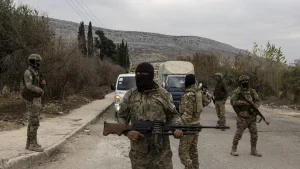
This diplomatic and military scramble follows weeks of persistent aerial bombardments directed at Saudi soil by Houthi combatants. Just recently, insurgent representatives boasted about launching a massive barrage consisting of numerous drones and missiles. Their statements highlighted claimed strikes directed at vital economic installations, including prominent Saudi Aramco operations situated in Yanbu, alongside a high-priority location within Riyadh itself.
In contrast to these insurgent claims, Saudi defense officials reported that their anti-missile batteries successfully intercepted half a dozen ballistic projectiles heading toward Yanbu and Taif. The ongoing aerial threats also prompted emergency notifications across major urban centers, including Jeddah, Mecca, and Yanbu, highlighting the severe nature of the regional security breakdown.
At the heart of these emergency consultations lies the Mecca Joint Defence Agreement, a mutual pact originally formalized on August 7. This landmark framework dictates that any act of aggression directed against Saudi Arabia, Turkiye, or Pakistan shall be formally interpreted as a hostile assault against all three participating nations collectively.
The urgency driving Riyadh’s diplomatic push became evident through a sequence of high-level discussions leading up to the Friday summit. The tripartite gathering of chiefs of staff was initially arranged following a diplomatic encounter in New York on September 24. That session brought together Saudi Foreign Minister Prince Faisal bin Farhan, Turkish Foreign Minister Hakan Fidan, and Pakistan’s Deputy Prime Minister and Foreign Minister, Ishaq Dar.
Official readouts released by the Saudi foreign ministry emphasized the pressing necessity to operationalize defensive support mechanisms under the terms of the treaty. Furthermore, Riyadh’s representatives strongly denounced the persistent aerial assaults menacing holy sites in Mecca alongside civilian and economic zones, while firmly asserting the nation’s inherent entitlement to self-defense as outlined under Article 51 of the UN Charter.
Conversely, Islamabad maintained a noticeably more cautious perspective regarding the unfolding security arrangements. When addressing the diplomatic outcome publicly, Ishaq Dar remarked through digital channels that the New York discussions centered on reviewing institutional progress under the Mecca Joint Defence Agreement alongside a broader exchange concerning international and regional stability concerns.
Similarly, diplomatic representatives from Ankara approached the New York meetings with a measured demeanor, exercising restraint regarding the exact parameters of future military deployments. While all three governments acknowledge the grave implications of the ongoing Houthi escalation, both regional partners continue to weigh the precise extent of their direct operational commitments as the situation develops.
As these military chiefs convene in Riyadh, the ultimate trajectory of the mutual pact remains a subject of intense scrutiny. Observers are closely monitoring whether these urgent high-level consultations will translate into active combat participation or culminate in a more limited strategic alignment designed to deter further hostile incursions.