Global Allies Rally Around Saudi Arabia
International partnerships are shifting rapidly as foreign governments step forward to bolster Saudi Arabia’s defenses. Crimson Reporters has learned…
Featured image for news article
International partnerships are shifting rapidly as foreign governments step forward to bolster Saudi Arabia’s defenses. Crimson Reporters has learned that military assistance is arriving from multiple continents to counter escalating security threats directed at the kingdom’s vital infrastructure.
France has taken definitive steps by dispatching military personnel to safeguard the critical Yanbu oil terminal. At the same time, diplomatic channels between Riyadh, Islamabad, and Ankara are operating at full capacity to coordinate strategic countermeasures under existing mutual defense pacts.
French Defense Deployment
French President Emmanuel Macron recently addressed the public via broadcasters TF1 and France 2, detailing the upcoming deployment to the Red Sea port of Yanbu. Paris intends to station armed forces, advanced radar installations, and specialized defense batteries in the region.
“Not to involve ourselves in any conflict, but to protect the site,” he said.
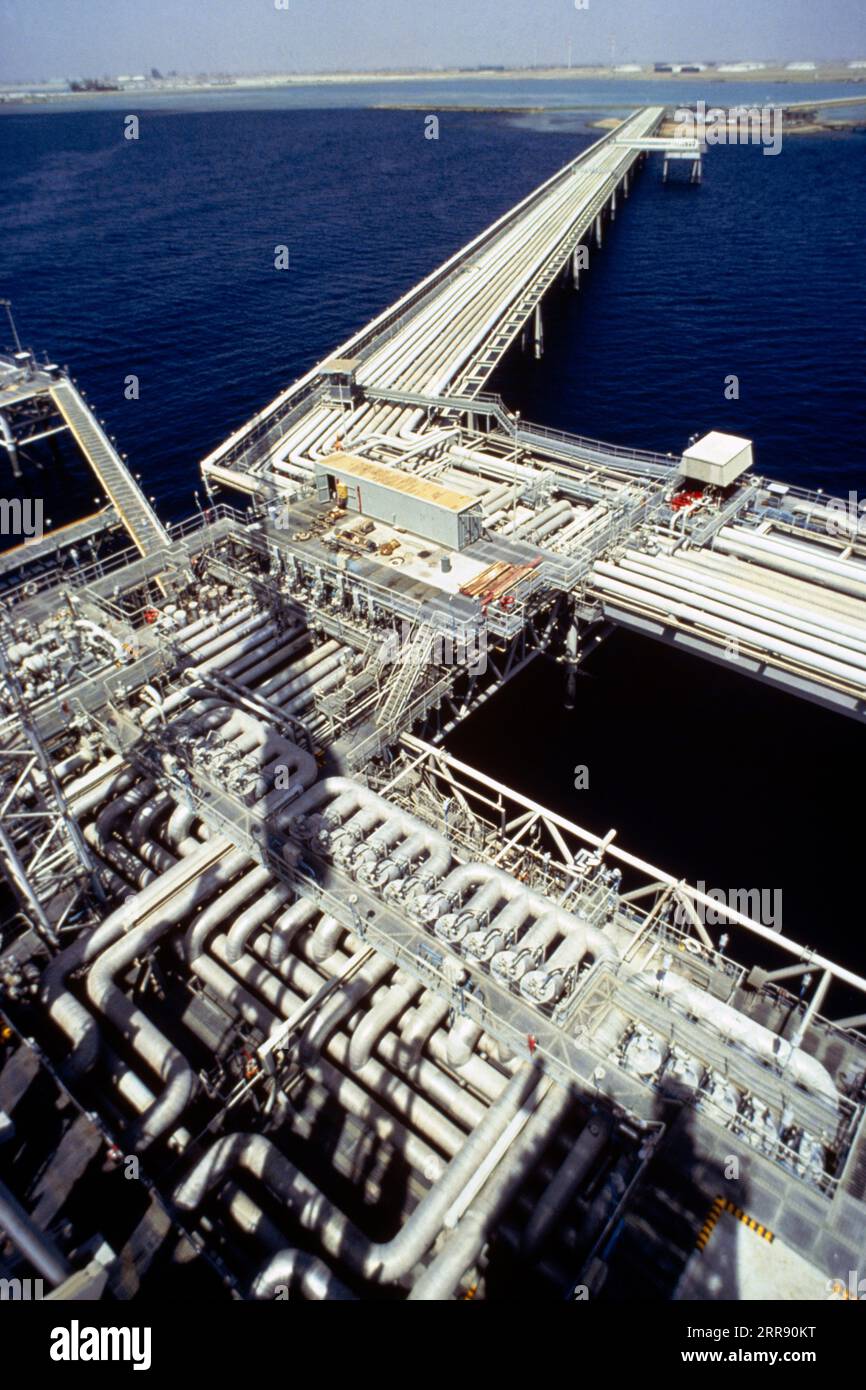
The strategic coastal facility serves as a massive hub for petroleum storage and refining operations. Furthermore, it anchors the massive East-West Pipeline network, which possesses the capacity to pump up to seven million barrels of crude oil on a daily basis.
Escalating Regional Hostilities
The security situation has deteriorated due to persistent aerial assaults conducted by Houthi rebels, also known as Ansar Allah (supporters of God). These factions have consistently launched unmanned drones and ballistic projectiles toward the territory of the world’s leading petroleum exporter, severely threatening commercial energy shipments.
Recent military reports highlight a dramatic escalation in these hostile actions. State-owned energy giant Aramco facilities located in Yanbu reportedly faced an aggressive aerial strike, alongside another classified location situated inside the capital city of Riyadh.
Saudi defense apparatuses successfully intercepted six incoming ballistic projectiles during the latest wave of aggression. Local governing bodies have not yet released any official statements detailing structural harm or physical destruction resulting from these intercepts.
Diplomatic and Military Consultations
In response to the mounting regional crisis, top diplomats from Saudi Arabia, Pakistan, and Turkiye convened to organize an urgent summit involving their respective military chiefs of staff. This high-level gathering operates under the framework of the Mecca Joint Defence Agreement, a pact stipulating that an assault on any single signatory nation constitutes an act of aggression against all members.
During their discussions, the foreign ministers strongly denounced the aggressive drone and missile operations that have targeted sacred sites in Mecca along with various civilian areas.
Despite these formal diplomatic alignments, international observers remain uncertain about the exact nature of the military intervention that Pakistan and Turkiye might authorize. The mutual defense framework has not yet been formally invoked, and both nations continue to act as active regional peace mediators.
Religious Appeals and Wider Geopolitics
Domestically, the religious leadership has adopted a stern stance regarding the ongoing security challenge. The grand mufti of Saudi Arabia issued a passionate public appeal urging armed forces personnel to demonstrate unwavering dedication, expressing readiness to sacrifice their lives in defense of the homeland against Houthi aggression.
The broader conflict involves a decade-long military struggle between the Iran-aligned Houthi movement and the internationally recognized, Saudi-supported government of Yemen. This localized confrontation has intensified significantly alongside concurrent geopolitical flare-ups, including Israeli military campaigns against Iran-aligned factions such as Hamas in Gaza and Hezbollah in Lebanon, as well as broader hostilities involving the United States and Iran.
The diplomatic arena has also reflected these profound anxieties. During proceedings at the United Nations General Assembly held in New York, Yemen’s Vice President Abdullah Abdulkader al-Alimi-Bawzer delivered a stark warning regarding the subversive tactics and expanding operational capacity of the Houthi movement.
As international stakeholders continue their diplomatic deliberations, the protection of critical energy supply lines remains a paramount priority for Riyadh and its foreign partners.
- France is deploying troops, radar systems, and defense equipment to the Yanbu oil terminal.
- Saudi Arabia, Pakistan, and Turkiye are discussing mutual defense protocols under the Mecca Joint Defence Agreement.
- Houthi rebels continue to target critical energy infrastructure, including Aramco facilities and Riyadh.
- Regional tensions are compounded by ongoing conflicts involving Iran-backed groups across the Middle East.