DMZ Explosion Leaves Three South Korean Officers Injured
Three South Korean military officers have sustained injuries following a sudden explosion in the western sector of the Demilitarized Zone (DMZ), the…
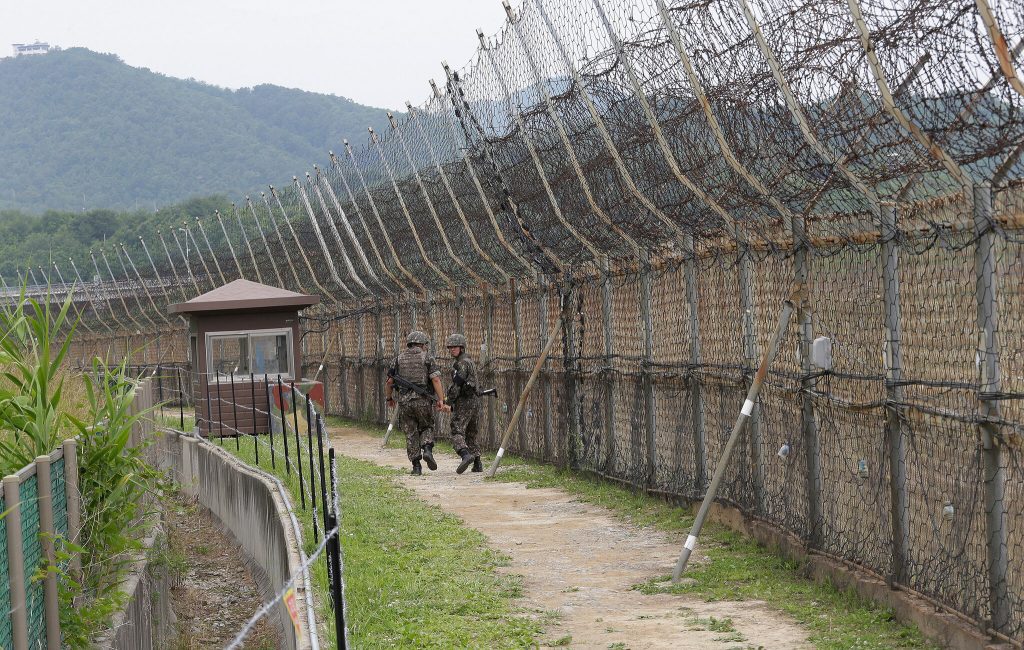
Featured image for news article
Three South Korean military officers have sustained injuries following a sudden explosion in the western sector of the Demilitarized Zone (DMZ), the heavily fortified buffer strip separating North and South Korea. According to official statements from Seoul’s Joint Chiefs of Staff (JCS), the incident occurred on Monday, sparking an immediate emergency response as authorities scrambled to assess the volatile situation along the world’s most guarded border.
The Ministry of Defence has yet to confirm the definitive cause of the blast, though preliminary assessments suggest it may have been triggered by a landmine. The presence of explosive remnants of war remains a constant and deadly reality in the region, which has been scarred by decades of geopolitical friction. While the investigation remains ongoing, the incident highlights the persistent dangers faced by military personnel operating in this high-tension zone.
Rapid Medical Evacuation
The military response was swift, prioritizing the immediate stabilization and transport of the wounded personnel. Two of the officers were airlifted directly from the site by helicopter to ensure they received urgent trauma care. The third officer was initially transported by land before being transferred to a secondary aircraft for aerial evacuation, ensuring all three reached a specialized military hospital near Seoul as quickly as possible.
“The officers are being treated at a military hospital near the capital Seoul,” stated a representative from the Ministry of Defence, as the military maintains a close watch over the health status of those involved in the incident.
A Legacy of Conflict
The DMZ stands as a stark 248-kilometer-long and 4-kilometer-wide reminder of the Korean War, which concluded in 1953 with an armistice rather than a formal peace treaty. The zone is notoriously dangerous, littered with an estimated 2 million landmines. These legacy devices, combined with more modern defensive installations, create a lethal environment for anyone patrolling the area.
The boundary is fortified by a complex array of obstacles, including:
- Extensive barbed wire fencing
- Strategic tank traps
- Permanent combat troop deployments
Incidents involving stray mines or aging explosive hardware have occurred periodically, causing injuries to military staff on both sides of the border. These events serve as grim reminders that the conflict, while technically paused, remains physically and psychologically active for those tasked with guarding the demarcation line.
Rising Border Tensions
This latest explosion takes place against a backdrop of increasing anxiety within South Korea regarding North Korean activity near the line. Reports indicate that Pyongyang has been actively strengthening its border defenses, leading to heightened alertness among Southern forces. As tensions remain elevated, the physical dangers of the terrain—combined with the strategic unpredictability of the North—continue to complicate the security landscape for South Korean soldiers.
Military authorities are currently conducting a thorough sweep of the area to determine if the explosion was a localized accident or linked to broader movements along the front lines. As the recovery of the injured officers remains the immediate priority, the incident underscores the fragile state of security along the world’s most militarized border.