Khalilzad Reflects on Post-9/11 Strategic Missteps
Two and a half decades following the tragic events of September 11, 2001, a prominent figure who helped shape United States foreign policy has opened…
Featured image for news article
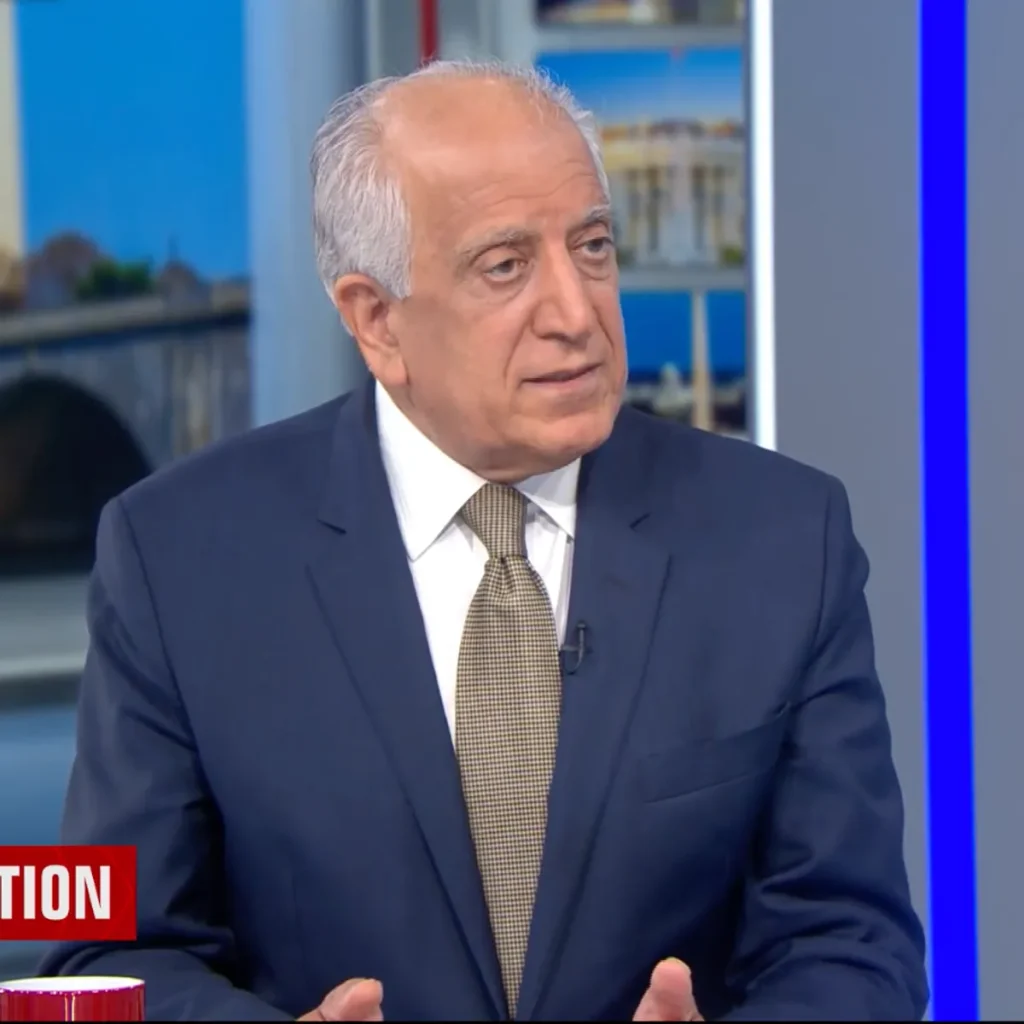
Two and a half decades following the tragic events of September 11, 2001, a prominent figure who helped shape United States foreign policy has opened up about the tactical and strategic errors that defined the post-9/11 era. Ambassador Zalmay Khalilzad, who held key roles on the National Security Council under then-President George W. Bush, recently offered a candid assessment of the decisions that steered the country into long-term conflicts in Iraq and Afghanistan.
In an interview This is America, Khalilzad detailed how an overwhelming national climate of fear and urgency dictated the government’s response. The attacks, which remain the deadliest foreign assault on American soil, claimed nearly 3,000 lives and left a nation desperate for immediate security.
The Pressure of National Urgency
Khalilzad explained that the atmosphere within the administration was characterized by intense pressure to prevent subsequent terrorist strikes. “Anger was a factor of urgency because the people wanted to see action,” he noted, emphasizing that the primary objective was to dismantle al-Qaeda cells before they could launch further attacks against the United States.
“You have to put yourself in the context of the time. We were very angry. We were concerned that other attacks may be planned. There may be sleeper cells,” Khalilzad said.
As a senior director on the National Security Council, Khalilzad occupied a front-row seat during the formulation of these policies. His career later expanded to include ambassadorships in Iraq, Afghanistan, and at the United Nations, granting him a unique perspective on the long-term ramifications of the initial military campaigns.
Reflecting on Missed Diplomatic Opportunities
A significant portion of the discussion centered on the missed opportunities for diplomacy, specifically regarding the Taliban. During the early months of the invasion, there were indications that the Taliban might have been open to a political settlement. However, the United States chose to reject these overtures, opting for a military-first approach instead.
Reflecting on this decision, Khalilzad expressed regret over the rigid stance taken by the administration. He suggested that integrating the Taliban into the political fabric of the country at that early stage could have altered the trajectory of the two-decade war. “One thought that has emerged is that we should have negotiated with the Taliban or included the Taliban in the political process in Afghanistan,” he stated.
A Legacy of War
The failure to secure a negotiated settlement contributed to a protracted conflict that spanned nearly twenty years. The US-backed forces remained locked in a violent struggle with the Taliban until the eventual withdrawal of American troops in 2021. Since the American departure, the group has successfully regained control of the nation, prompting many to revisit the early strategic choices made in 2001.
Ultimately, Khalilzad’s reflections highlight the tension between immediate reactive security measures and long-term geopolitical stability. By choosing to prioritize immediate military strikes over potential diplomatic engagement, the United States embarked on a path that would transform the global landscape for decades to come.