Two Decades of Conflict: The Hidden Toll of US Wars
Two and a half decades have passed since the September 11 attacks fundamentally altered the trajectory of global geopolitics. The tragedy, which saw…
Featured image for news article
Two and a half decades have passed since the September 11 attacks fundamentally altered the trajectory of global geopolitics. The tragedy, which saw nearly 3,000 lives lost, acted as the catalyst for the “War on Terror.” Initiated by President George W Bush, this sprawling military strategy led to constant overseas operations, with US forces bombing a foreign nation during every single year since 2001. The resulting humanitarian crisis remains one of the most profound legacies of the 21st century.
The human cost of these interventions is staggering. According to comprehensive data from the Costs of War project at Brown University’s Watson Institute, US-led military campaigns have claimed between 4.5 and 4.7 million lives. While approximately 940,000 individuals died as a direct consequence of violence, the vast majority—roughly 3.6 to 3.8 million people—perished due to indirect causes, including malnutrition, rampant disease, and the collapse of local health infrastructure.
Afghanistan: The Longest Campaign
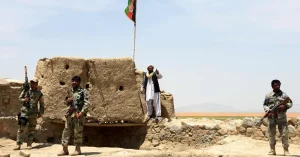
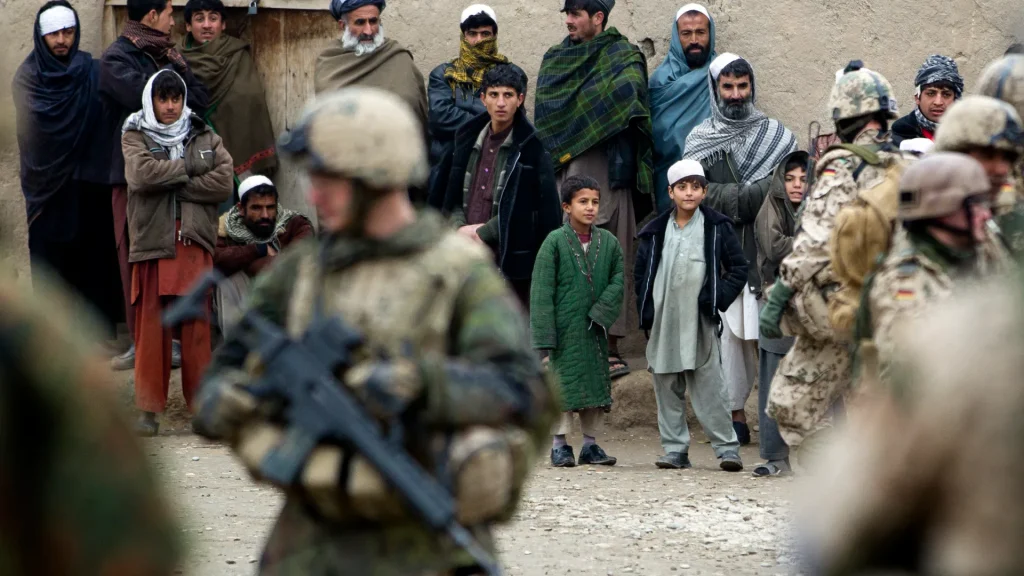
Operation Enduring Freedom, launched on October 7, 2001, aimed to dismantle the Taliban and al-Qaeda. While the regime was toppled in a matter of weeks, the conflict evolved into the longest war in American history. Spanning four US presidencies, the occupation resulted in an estimated 176,000 direct deaths. By the time the Taliban regained power in 2021, the nation had been decimated by two decades of sustained hostilities.
The sociological impact on Afghanistan is equally grim. The country witnessed a catastrophic rise in food insecurity, surging from 62 percent before the war to 92 percent afterward. Unexploded ordnance and landmines continue to pose a lethal threat to civilians long after the formal conclusion of US operations, ensuring that the legacy of the conflict persists in daily life.
Iraq: A Generation Defined by Conflict
Less than two years after the invasion of Afghanistan, the US launched a military campaign against Iraq based on the contested premise that the nation possessed weapons of mass destruction. For individuals like Omar, an Iraqi student at the time, the invasion represented a permanent fracture in time. “Everything changed,” he recalled, describing the atmosphere of terror that gripped Baghdad as the aerial bombardment commenced.
“We remember the sounds [of the bombs]; we were very afraid,” said Omar.
Omar’s memories of the 2003 invasion are deeply personal and harrowing. He recounted the reckless bravery of his peers who ventured out into the chaos to witness the unfolding destruction firsthand. Many of those individuals simply never returned, serving as a grim testament to the civilian toll of the conflict.
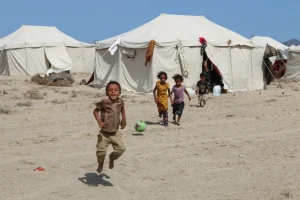
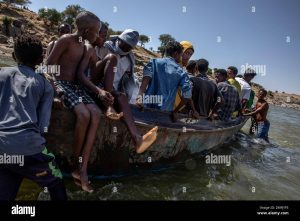
Beyond the borders of Iraq and Afghanistan, the military footprint stretched across the Middle East, South Asia, and Africa. These interventions have displaced more than 38 million people, leaving an entire generation to grapple with the debris of war. The statistics provided by researchers illustrate that while the stated objectives varied, the resulting humanitarian devastation was a constant, tragic thread connecting these diverse theaters of war.