Yemen Conflict Intensifies as Civilian Toll Mounts
The protracted conflict in Yemen has entered a volatile new phase, marked by a surge in hostilities that threatens to unravel the fragile stability…
Featured image for news article
The protracted conflict in Yemen has entered a volatile new phase, marked by a surge in hostilities that threatens to unravel the fragile stability of the region. Fighting between the internationally recognised government and Houthi rebels has intensified significantly, resulting in a devastating human cost that continues to rise as both sides trade lethal fire across contested territories.
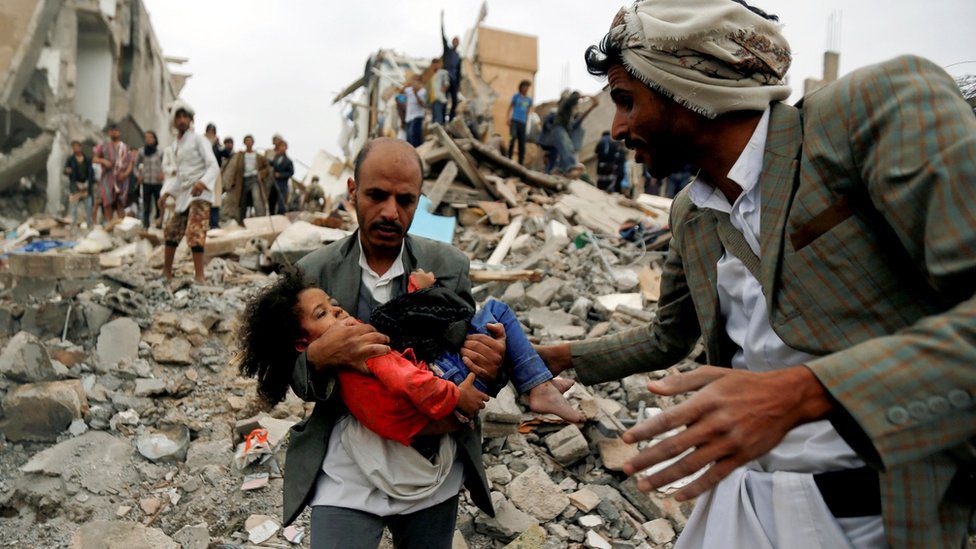
In the central Marib governorate, the government reported a tragic escalation of violence. According to the state-run Saba news agency, at least three children, including an infant, were killed during Houthi artillery shelling. This incident marks the second such strike in just 48 hours, underscoring the lethal risks civilians face as front lines shift.
Escalating Military Operations
The Houthis have launched an aggressive campaign across the Hodeidah and Taiz provinces. The group’s strategic objective appears to be an advancement toward the Bab al-Mandeb strait, a critical maritime waterway essential for global oil shipments. This offensive has triggered robust counter-attacks from government-aligned forces seeking to stabilize the perimeter.
The rebels have leveled severe accusations against the Saudi-led coalition, claiming that Riyadh carried out 54 air raids within a 12-hour window. In retaliation, the Houthis have promised a firm military response. This back-and-forth has led to heightened alert levels across various Saudi provinces, where citizens were warned of incoming threats targeting critical infrastructure.
Regional Tensions and Global Concerns
The renewed violence occurs against a backdrop of wider regional unrest, fueled by the ongoing conflict involving the United States, Israel, and Iran. The geopolitical implications are vast, with Pakistan issuing a stern warning that continued Houthi aggression could trigger the Mecca Joint Defence Agreement, a mutual security pact that includes Saudi Arabia, Turkiye, and Pakistan.
“The Houthis act independently,” Iranian officials insisted, rejecting Arab League claims that Tehran is directly interfering in the Yemeni theatre.
The human toll of this escalation is staggering. According to data from the World Health Organization, more than 1,000 individuals have been killed or wounded since August 24. Furthermore, tens of thousands of civilians have been forced to flee their homes to escape the relentless shelling and airstrikes.
A History of Fragile Truces
Yemen has remained mired in bloodshed since 2014, when Houthi rebels seized control of the capital, Sanaa. The subsequent Saudi-led military intervention initiated a catastrophic war responsible for approximately 150,000 deaths. While a 2022 United Nations-brokered truce briefly paused the fighting, the current state of affairs reflects a total breakdown in diplomacy.
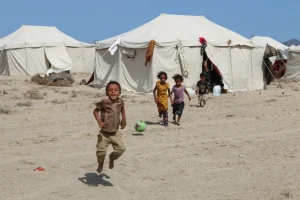
The situation remains fluid as military operations expand into new sectors. With the current trajectory, observers fear that the humanitarian crisis will deepen as winter approaches, leaving millions of displaced Yemenis without adequate shelter or medical support. The international community continues to monitor the situation closely, awaiting signs of a potential de-escalation that remains, for now, nowhere in sight.