Understanding Israel’s Political Landscape Beyond Labels
For international observers, the traditional political spectrum of “left” and “right” often fails to capture the nuances of the Israeli experience….
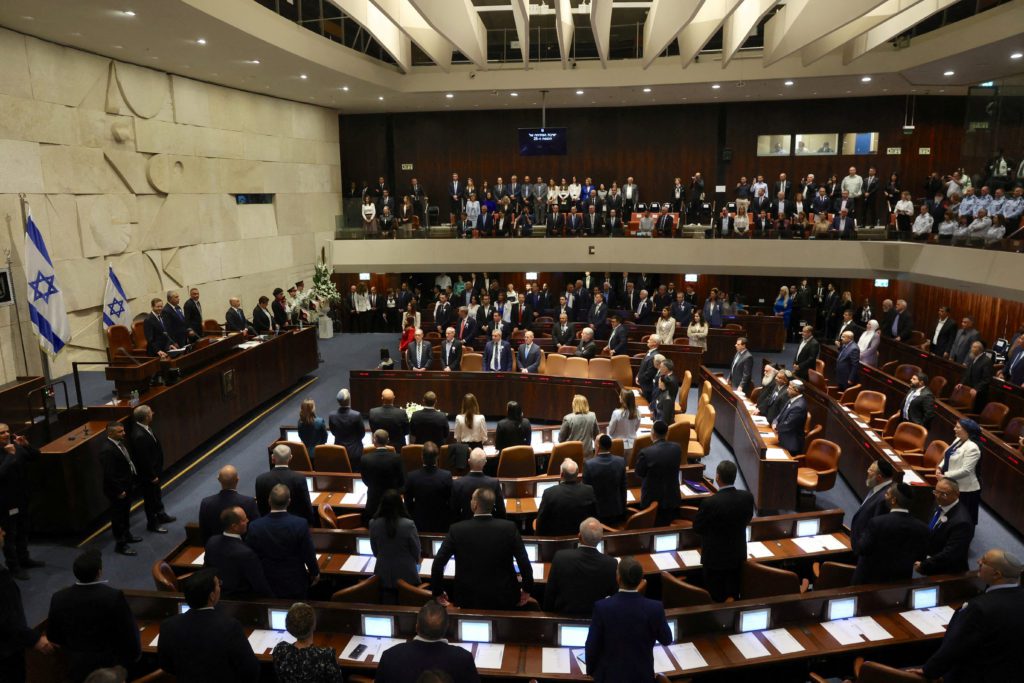
Featured image for news article
For international observers, the traditional political spectrum of “left” and “right” often fails to capture the nuances of the Israeli experience. While Western nations typically align these labels with economic policy, social welfare, or labor rights, the Israeli political system functions under an entirely different set of foundational questions.
In Israel, the discourse is overwhelmingly dominated by issues of national identity, security, and the future of the territory. The core of the debate centers on the Israeli-Palestinian conflict, the status of Jewish settlements, and the delicate balance between maintaining a Jewish state and upholding democratic institutions.
The Historical Foundation
Historically, the Israeli divide was indeed defined by economic structures. The political left was synonymous with Labor Zionism, which championed state-led development, the Histadrut, and the kibbutz movement. These entities were the primary architects of the early state, creating a deeply collectivist framework for the nation’s growth.
Conversely, the right emerged from the Revisionist tradition, later consolidating under the Likud party. This movement challenged Labor’s dominance by emphasizing Jewish historical claims to the land and advocating for a more nationalist vision of sovereignty. Over time, this faction increasingly moved toward market-friendly policies, distancing itself from the state-centric models of the past.
The Shift to Geopolitics
Following the 1967 war and the subsequent Oslo Accords of the 1990s, the economic focus began to wane in favor of existential territorial disputes. The left became the primary advocate for territorial compromise and direct negotiations, arguing that separation from the Palestinians was essential to preserve Israel’s democratic identity.
“The Israeli left became associated with territorial compromise, negotiations and the claim that some form of separation from the Palestinians was needed if Israel was to remain both Jewish and democratic.”
The right, meanwhile, solidified its opposition to the creation of a Palestinian state. Their platform evolved to emphasize the security risks associated with land withdrawals, arguing that such actions invited volatility rather than stability.
The Crisis of the Left
The second Intifada acted as a critical turning point for the Israeli electorate. For many, the resulting violence served as a harsh rebuttal to the optimism of the Oslo process. This disillusionment was further compounded by the 2005 unilateral withdrawal from the Gaza Strip. The subsequent takeover by Hamas and the ensuing cycles of intense conflict essentially dismantled the remaining trust many Jewish voters held in the left’s vision of peace through concession.
Today, economic and social issues remain part of the public conversation, but they rarely dictate party alignment. A politician might champion state intervention in the economy while remaining firmly anchored on the right, just as a socially liberal figure might align with nationalist perspectives. Ultimately, the Israeli political map is a unique construct, shaped by decades of complex conflict rather than the conventional economic divides familiar to the rest of the world.