Gulf Tensions Surge as US Strikes Iranian Oil Fleet
Global markets were sent into a tailspin this Wednesday as regional hostilities in the Middle East reached a new, volatile crescendo. The United…
Featured image for news article
Global markets were sent into a tailspin this Wednesday as regional hostilities in the Middle East reached a new, volatile crescendo. The United States military launched a series of calculated strikes against five Iranian oil tankers, effectively neutralizing the vessels following two days of targeted ballistic missile attacks by the Islamic Revolutionary Guard Corps (IRGC) against a US warship.
The escalation marks a significant turning point in the six-month-old conflict between the US, Israel, and Iran. With the Strait of Hormuz remaining shuttered and the US naval blockade on Iranian ports firmly in place, the latest exchange of fire pushed crude oil prices to a high of $99.49 per barrel during early morning trading sessions.
US Forces Neutralize Iranian Fleet
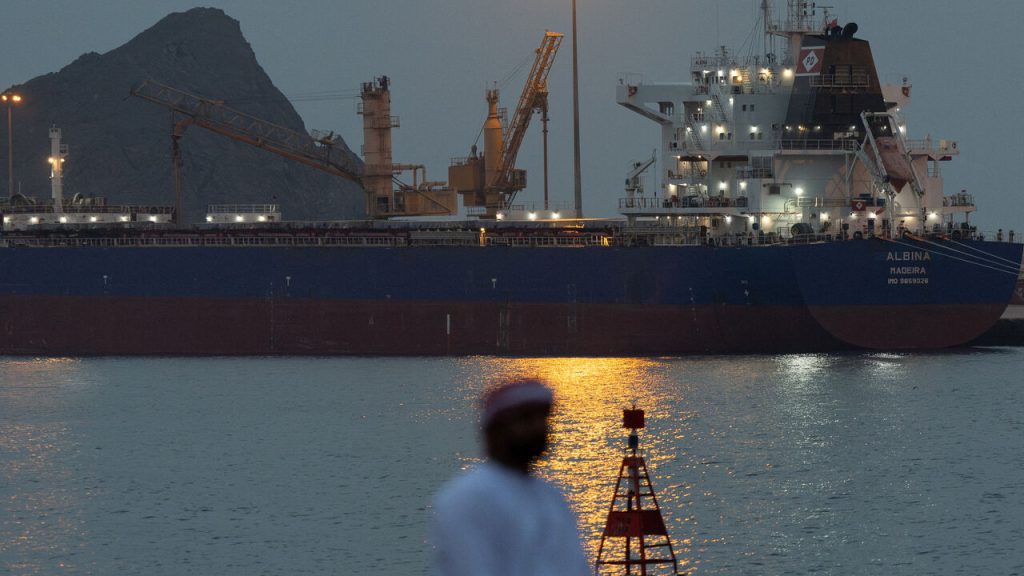
According to an official statement from US Central Command (CENTCOM), the decision to engage the tankers followed repeated provocations in the Gulf. CENTCOM reported that the IRGC had attempted to strike a US warship on two separate occasions. While the vessel successfully evaded the incoming missiles, the US military launched a retaliatory operation to destroy the Iranian logistics chain.
The targeted vessels—identified as the M/T Kaviz, M/T Charminar, M/T Horizon 1, M/T Riesco, and M/T Derya—were struck in the Gulf of Oman and near Kharg Island. In a move to mitigate human casualties, CENTCOM stated:
“American forces directed the crews to abandon ship before the vessels were struck and rendered inoperable.”
Tehran Launches Retaliatory Strikes
Tehran did not delay in its response to the destruction of its oil infrastructure. The IRGC confirmed that it launched a “fierce” barrage of missiles at the Al Azraq base in Jordan, a facility housing US military personnel. Iranian state broadcaster IRIB reported that these strikes specifically targeted hangars utilized by American fighter jets, claiming the facility suffered substantial damage.
Beyond the attack on Jordanian soil, the IRGC claimed to have launched ballistic missile strikes against two US Navy destroyers, the DDG-119 and DDG-53. Iranian officials further asserted that their naval forces conducted wider operations against additional American assets, alleging that they successfully damaged two US vessels and eight tankers in the region.
Market and Strategic Impact
The situation remains fluid as both sides exchange claims of damage. While the US maintains that its personnel were unharmed in the initial provocation, the Iranian military insists their retaliatory efforts caused “great damage” to American vessels and regional infrastructure. The focus remains heavily on the southern port of Jask and Kharg Island, the latter of which was responsible for nearly 90 percent of Iran’s oil exports prior to the ongoing war.
As the international community watches, the economic ramifications of this naval confrontation are becoming increasingly clear. The reliance on the Gulf for energy supplies has made the market hypersensitive to these maritime skirmishes. Investors continue to monitor the situation closely, fearing that further blockades or strikes could drive oil prices well beyond the $100 threshold.