Qatar Leads Urgent Push to Reopen Strait of Hormuz
Qatar is intensifying its diplomatic outreach to resolve the prolonged conflict between the United States and Iran, marking a significant push to…
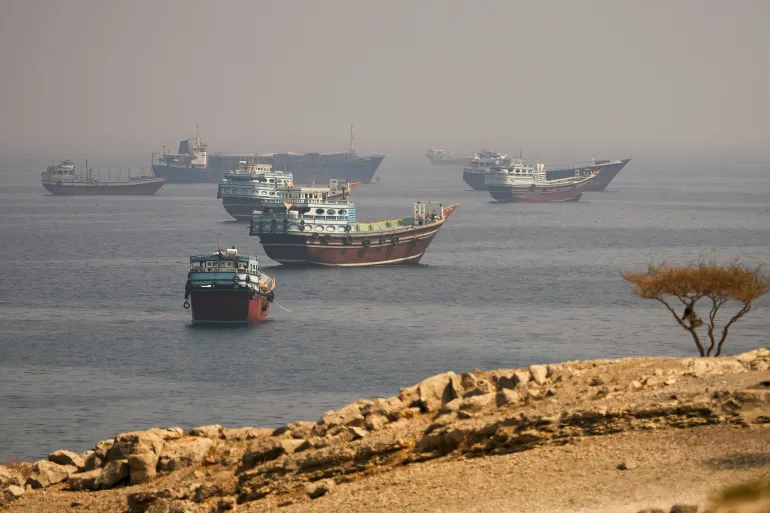
Featured image for news article
Qatar is intensifying its diplomatic outreach to resolve the prolonged conflict between the United States and Iran, marking a significant push to stabilize regional security. Doha has emphasized that the current state of instability is unsustainable and detrimental to the entire Middle East, urging both nations to move toward a definitive resolution.
Ibrahim Al Hashmi, director of the media department at Qatar’s Foreign Ministry, stated that the status quo of “no war and no peace” is unacceptable. He highlighted that Qatar is actively collaborating with international partners, including China, to explore new diplomatic pathways to de-escalate the six-month-long conflict.
Diplomacy in Beijing
The diplomatic momentum reached a high point on Tuesday during a meeting in Beijing between Qatar’s Prime Minister and Foreign Minister, Sheikh Mohammed bin Abdulrahman bin Jassim Al Thani, and his Chinese counterpart, Wang Yi. The two officials held extensive discussions focused on regional stability, international peace, and specifically, the ongoing closure of the Strait of Hormuz.
Following the meeting, officials stressed the importance of political will from both Washington and Tehran. The reopening of the Strait of Hormuz, a critical global shipping artery, remains the primary focus of Qatar’s mediation efforts. Doha insists that the waterway must be opened unconditionally to secure international trade routes.
“It’s not acceptable at all to have this state of no war and no peace. This is not beneficial to the region, the countries of the region, and the people,” noted Ibrahim Al Hashmi.
Addressing Escalating Regional Threats
Beyond the US-Iran friction, Qatar has expressed grave concern regarding the deteriorating situation in Yemen. Recent escalations have seen increased hostilities between the Saudi-backed internationally recognised government and Houthi rebels. The conflict has expanded geographically, with Houthi forces launching strikes deep into Saudi territory.
Al Hashmi specifically condemned recent Houthi offensives targeting civilian institutions in cities including Abha, Jizan, Najran, and Khamis Mushait. These attacks have caused civilian injuries and disrupted maritime activity in the Red Sea.
Protecting Global Navigation
The ministry underscored that the recent violence is not just a localized concern but a direct threat to international navigation. The disruption of shipping lanes caused by these regional skirmishes adds another layer of urgency to Qatar’s calls for peace.
Doha maintains that the current environment of volatility necessitates a unified approach from regional stakeholders. By leveraging its partnerships with global powers like China, Qatar aims to transition from the current stalemate toward a sustainable framework for peace.
The upcoming weeks will be critical as mediators analyze the “new ideas” currently being discussed. Whether the US and Iran can find common ground remains to be seen, but the pressure for a resolution is mounting as the economic costs of the Strait’s closure continue to rise for the international community.