Kosovo Joins International Peace Force for Gaza
Kosovo has officially committed to joining the International Stabilization Force (ISF) in Gaza, marking a significant step for the small Balkan…
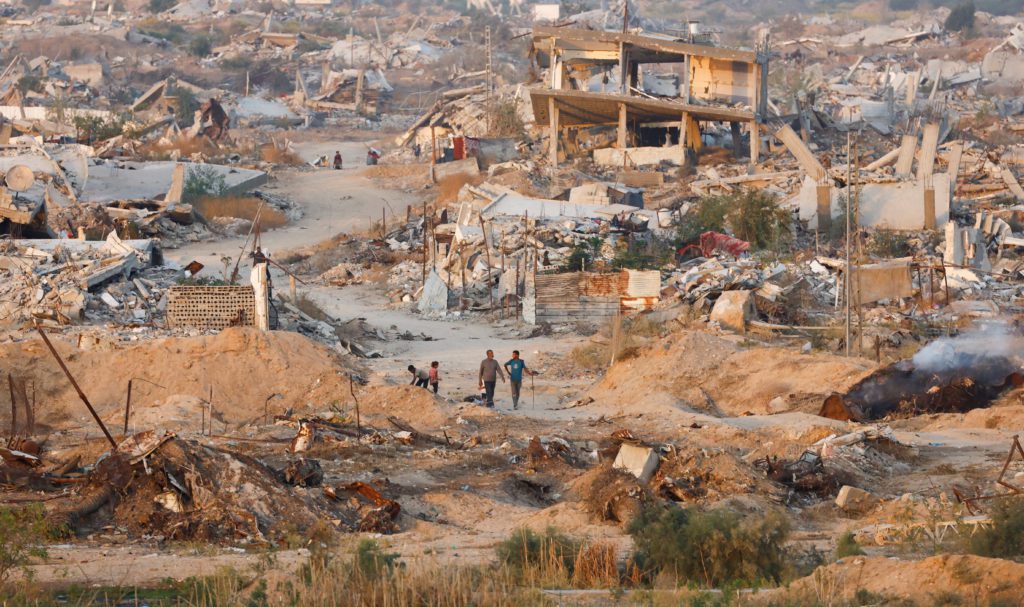
Featured image for news article
Kosovo has officially committed to joining the International Stabilization Force (ISF) in Gaza, marking a significant step for the small Balkan nation in global peacekeeping efforts. The formal participation agreement was finalized on Monday, positioning Kosovo among a select group of countries tasked with overseeing security in the war-torn Palestinian enclave under a United Nations-mandated framework.
The deal was solidified through a signing ceremony featuring Kosovo Security Force Commander Lieutenant-General Bashkim Jashari and US ISF Commander Major-General Jasper Jeffers. This collaboration underscores Kosovo’s active alignment with international security initiatives and its dedication to the broader peace objectives championed by the United States.
Supporting the Peace Roadmap
The inclusion of Kosovo is explicitly tied to President Donald Trump’s 20-point peace plan, a US-Israeli framework introduced a year ago. The mission serves as a cornerstone of this strategy, aiming to terminate the ongoing conflict in Gaza through a structured transition. The plan outlines several critical responsibilities for the multinational force:
- Maintaining regional stability post-conflict
- Managing the systematic demilitarization of the area
- Training a Palestinian police force for local security
The participation roster for the ISF includes several diverse nations, such as Indonesia, Morocco, Kazakhstan, Albania, and Uganda. Notably, Turkey was excluded from the mission following an explicit veto from the Israeli government, despite Ankara’s initial interest in participating.
Implementation Challenges and Delays
Although the Israeli government authorized the necessary legal measures for the ISF’s entry back in July, the deployment process remains fraught with logistical and political hurdles. An official noted that the force will operate in close coordination with the Israeli military; however, deep-seated disagreements continue to stall progress.
Chief among these obstacles are unresolved disputes regarding the timeline for the withdrawal of Israeli military units and the complex process of disarming Hamas. These issues have created a significant gap between the planning phase and on-the-ground execution.
“We are still at the point at which we need to make sure that what has been agreed is going to be implemented and is going to change significantly the lives of the people in Gaza,” stated Nikolay Mladenov, high representative for the Board of Peace.
Mladenov emphasized that while the Board of Peace has finalized the deployment mechanism, the mission is currently in a state of limbo. He stressed that Israel must fully honor its commitments under the established roadmap to ensure the initiative yields tangible benefits for the local population.
Discussions between the Board of Peace and Israeli authorities remain ongoing as both parties attempt to bridge these remaining gaps. Until these commitments are satisfied, the multinational force awaits the go-ahead to begin its stabilization mandate in Gaza, leaving the future of the peace plan hanging in the balance as diplomatic efforts continue to intensify.