EU Deadlocked Over Potential Ban on Settlement Goods
European Union foreign ministers recently convened in Wicklow for an informal summit, where deep-seated divisions emerged regarding the…
Featured image for news article
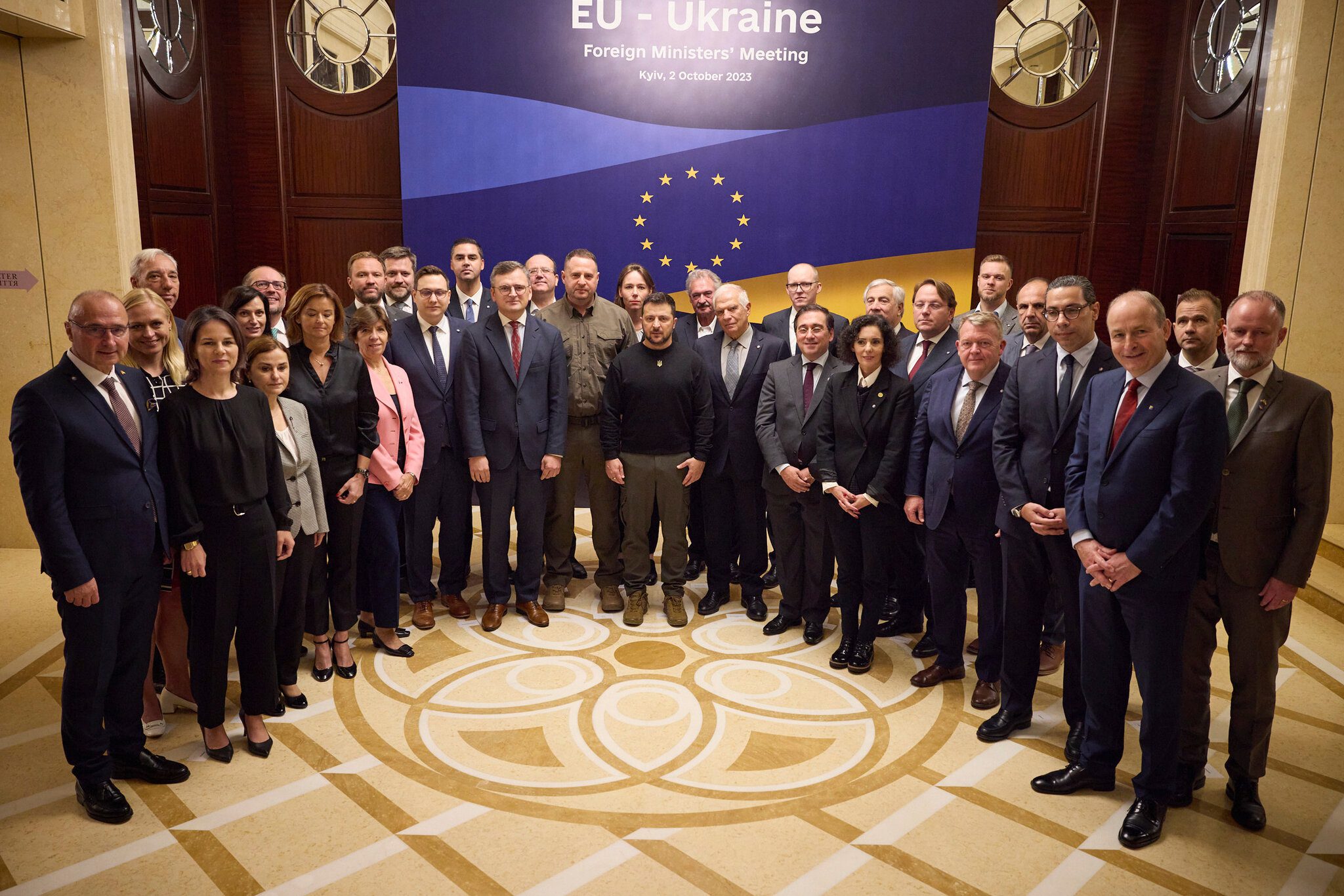
European Union foreign ministers recently convened in Wicklow for an informal summit, where deep-seated divisions emerged regarding the implementation of trade sanctions against Israel. The discussions, hosted by Ireland during its EU council presidency, centered on the intensifying violence in the occupied West Bank and the bloc’s responsibility to uphold international law.
The debate highlighted a sharp rift among member states. Ireland, supported by Spain, Belgium, and the Netherlands, spearheaded a push for bloc-wide restrictions on imports originating from illegal Israeli settlements. Proponents argue that the EU cannot maintain its credibility if it chooses to enforce international legal standards selectively.
Clashing Perspectives on Diplomacy
Conversely, a coalition consisting of Germany, Austria, Czechia, and Hungary voiced strong opposition to the proposed sanctions. These nations contend that targeting settlement goods would jeopardize critical diplomatic channels with Israel. They maintain that such measures would undermine the bloc’s influence in the region rather than foster a path toward peace.
Irish Foreign Minister Helen McEntee emphasized the necessity of a unified European front. During a press conference following the talks, she stated:
“We should be moving collectively … It is not credible for us to say we should uphold international law in one form and not do it in the other.”
The sentiment reflects Ireland’s long-standing position on the conflict. As the first EU nation to ban imports from illegal settlements, Dublin has maintained a firm stance, especially following its recognition of a Palestinian state in 2024. Ireland continues to advocate for a formal review of the EU-Israel Association Agreement, which has governed trade ties since 2000.
The Economic Dimension
The stakes of the debate are substantial, given the scale of the economic partnership between the two entities. The European Union remains Israel’s largest trading partner, with bilateral trade of goods reaching nearly $50 billion last year. Notably, this volume has trended upward, with EU exports to Israel rising from nearly $30 billion to approximately $32 billion in 2025.
Despite the high-level discussions, the path forward remains obscure. EU foreign policy chief Kaja Kallas did not detail the prospect of sanctions during her concluding news conference. However, during a previous meeting in July, Kallas noted that ministers had debated three primary options:
- An import licensing system for settlement goods.
- The imposition of prohibitive tariffs.
- A total ban on goods originating from the settlements.
At that time, Kallas suggested that a full ban received the most significant support among the ministers. Yet, the lack of consensus at the Wicklow summit suggests that bridging the political divide remains a significant challenge for the bloc.
As the humanitarian and security situation in the West Bank continues to deteriorate, the pressure on Brussels to take a definitive stance grows. Whether the EU can overcome its internal deadlock to align its trade policy with its stated commitment to international law remains an open question for the union’s leadership.