War Escalates: Putin and Zelenskyy Trade Fierce Threats
The conflict between Russia and Ukraine has spiraled into a new phase of volatility as leaders from both nations exchange aggressive rhetoric…
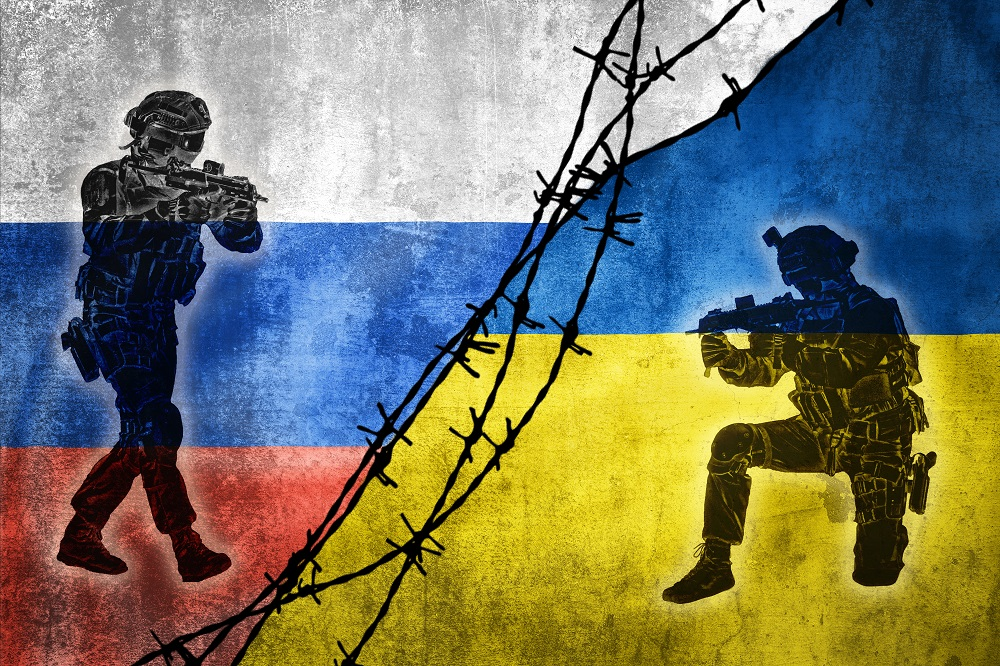
Featured image for news article
The conflict between Russia and Ukraine has spiraled into a new phase of volatility as leaders from both nations exchange aggressive rhetoric following a massive wave of aerial bombardments. The ongoing air war, which has persisted for five years since Moscow’s initial invasion, is showing no signs of slowing down despite stalled progress along the front lines.
Ukrainian officials reported that Russia launched 174 attack drones overnight, supported by two ballistic missiles and two plane-launched missiles. The assault targeted critical infrastructure and residential areas in Kyiv, Odesa, and Dnipro. In Odesa, the strike proved particularly devastating, causing significant damage to a 24-storey residential building. Meanwhile, in Dnipro, rescue teams recovered the body of a man trapped beneath heavy rubble.
The intensity of these strikes is bolstered by Moscow’s increased use of jet-powered drones, which defense analysts note are notoriously difficult to intercept. As the violence continues to claim civilian lives and destroy homes, the diplomatic path toward a peace settlement remains entirely obstructed, with U.S.-led mediation efforts yielding little success.
Rising Tensions and Strategic Threats
The escalation has prompted a sharp war of words between the two heads of state. President Volodymyr Zelenskyy issued a stern warning to international aviation authorities, suggesting that Russian airspace is no longer safe for commercial travel. He argued that Ukraine’s long-range drone capabilities effectively signal that the airspace above Russia is effectively closing to foreign airlines.
“Russian airspace will effectively be closing,” Zelenskyy stated, emphasizing that ongoing military pressure is intended to force Moscow to the negotiating table.
Conversely, Russian President Vladimir Putin dismissed these overtures, doubling down on his military campaign. Speaking at the Shanghai Cooperation Organisation summit in Kyrgyzstan, Putin labeled the Ukrainian leadership as promoters of “state terrorism.” He firmly rejected the possibility of diplomatic dialogue under current conditions, declaring, “We don’t negotiate with terrorists.”
International Implications of the Conflict
The geopolitical landscape of the war is growing increasingly complex. President Putin also addressed reports regarding the use of British-made drones against targets inside Russia. When questioned about the potential for Russian retaliation against UK military facilities, the Russian leader maintained an ominous ambiguity.
With a small smile, Putin described the possibility of strikes against British assets as “a military secret,” refusing to rule out an expansion of the conflict. This follows reports that Russia has received various forms of military support from North Korea, Iran, and China throughout the war.
Simultaneously, European authorities are grappling with an alleged campaign of sabotage aimed at weakening the continent’s support for Ukraine. Germany has recently accused Russia of orchestrating an attempted attack at Leipzig/Halle airport using an explosive-laden drone. As the frontline remains deadlocked, the combination of cross-border drone strikes, diplomatic hostility, and alleged sabotage operations suggests the war is moving toward a more dangerous, unpredictable, and highly volatile chapter for global security.