US-Iran Conflict Escalates: Strikes Hit Multiple Nations
Tensions in the Middle East have reached a dangerous new peak as the United States and Iran engaged in their most significant exchange of fire in…
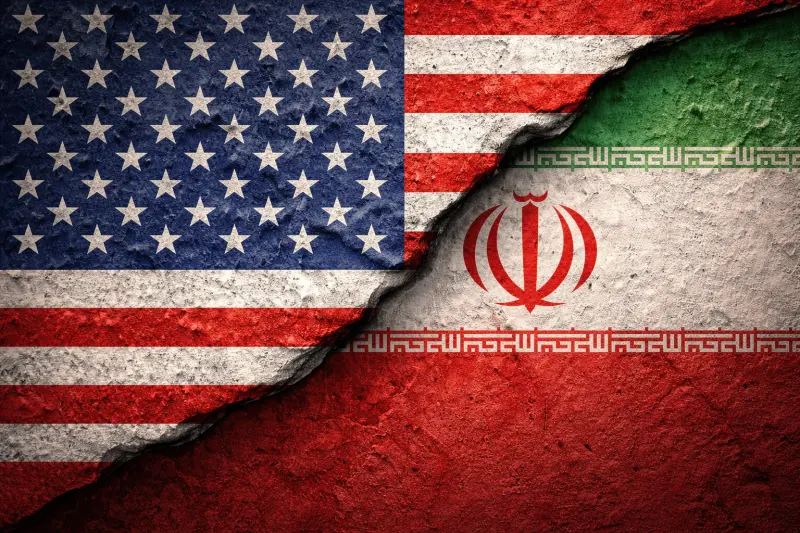
Featured image for news article
Tensions in the Middle East have reached a dangerous new peak as the United States and Iran engaged in their most significant exchange of fire in over a month. The rapid escalation, which spans multiple borders, has sparked international concern that the region is sliding into a full-scale war.
The hostilities began after US Central Command launched a series of calculated airstrikes targeting military installations along Iran’s southern coastline. Washington officials framed the operation as a strategic maneuver to regain control over the Strait of Hormuz, a critical global energy transit point currently under an Iranian blockade.
A Controversial Strike
The situation turned volatile after Tehran reported that a US bombing in the city of Kuhestak struck a house during a wedding celebration. Iranian authorities claim the attack resulted in the deaths of at least four civilians. Esmaeil Baghaei, spokesperson for Iran’s Ministry of Foreign Affairs, condemned the strike as “brutal,” noting that over 68 people—including women and children—sustained injuries.
Visual evidence provided by the Iranian Red Crescent Society showed a residential building reduced to rubble, with windows shattered and debris covering the surrounding area. Further harrowing images depicted children receiving emergency medical care at a hospital in Sirik, a city overlooking the strategic strait.
Retaliation Across Borders
In response, Iran’s Islamic Revolutionary Guard Corps (IRGC) launched a coordinated missile and drone offensive targeting US interests across four nations: Jordan, Bahrain, Kuwait, and the Erbil region of Iraq. The strikes represent a sharp tactical shift for Tehran, signaling a willingness to expand the theater of operations far beyond its own borders.
State broadcaster IRIB reported that additional strikes hit sites near the cities of Ahvaz and Aghajari in Khuzestan province. According to local officials, these attacks resulted in seven confirmed deaths and eight injuries. Across the entire region, the combined death toll from the two-day exchange has climbed to at least 18 people.
Threats of Total Destruction
President Donald Trump issued a stern warning on Tuesday, explicitly stating that Iran would face total annihilation if it continued to retaliate against US forces.
“If they do respond, they’ll be hit much harder,”
the President told Fox News, underscoring the precarious nature of the current standoff.
The breadth of the US operation was extensive. According to the Tasnim news agency, explosions were reported in various Iranian coastal cities, including:
- Bandar Abbas and Jask
- Konarak and Asaluyeh
- Qeshm Island
As the international community watches, the Strait of Hormuz remains a central point of contention. By leveraging the chokepoint as a bargaining chip, Iran has turned the waterway into the focal point of the ongoing military struggle. With both nations signaling a refusal to back down, the prospect of diplomatic resolution appears increasingly dim as the regional security landscape deteriorates.