Lionel Messi Ends Iconic Argentina Career: A Legacy
The curtains have officially closed on one of the most storied careers in sporting history. Lionel Messi, the diminutive Argentine forward widely…
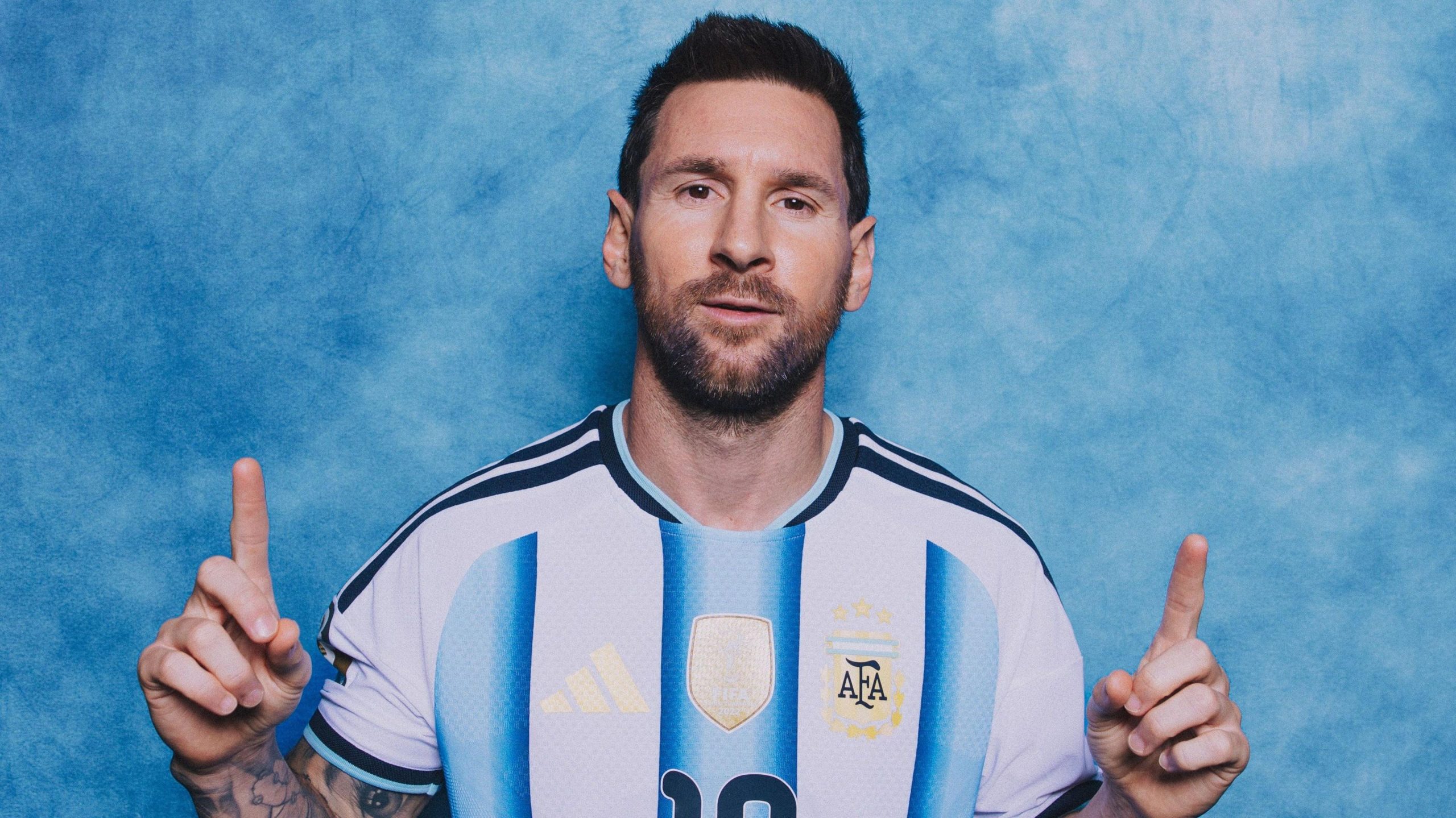
Featured image for news article
The curtains have officially closed on one of the most storied careers in sporting history. Lionel Messi, the diminutive Argentine forward widely regarded as one of the greatest footballers to ever grace the pitch, announced his retirement from international competition on Monday. This decision marks the conclusion of a remarkable two-decade journey that saw the 39-year-old transform the landscape of global football.
Messi’s tenure with the Albiceleste began in 2005 and spanned an incredible 21 years. Over this period, he became the heartbeat of the national side, registering an extraordinary volume of goals and assists. His departure leaves behind a mountain of statistics that future generations will find difficult to surpass.
The Pinnacle of World Football
At the center of his international legacy is the 2022 FIFA World Cup victory in Qatar. This triumph secured Argentina’s first world title since 1986 and remains the crowning achievement of his career. Messi’s influence on the grandest stage was unmatched, evidenced by his record-breaking 34 appearances at the tournament.
The forward’s consistency is perhaps best illustrated by his endurance. He made history by participating in six World Cups (2006, 2010, 2014, 2018, 2022, and 2026), tying the record held by long-time rival Cristiano Ronaldo. Furthermore, he remains the only player to have started in three separate World Cup finals, showcasing his longevity at the highest level of competition.
A Cabinet Filled with Gold
Beyond the World Cup, Messi’s trophy cabinet is immense. He led Argentina to consecutive Copa America titles in 2021 and 2024. His brilliance was repeatedly recognized by tournament officials, as he became the only player in history to win the Golden Ball for the best player of the tournament twice—once in 2014 and again in 2022.
His impact was not limited to senior tournaments. In 2008, a 21-year-old Messi secured an Olympic gold medal in Beijing. He famously provided the decisive assist for Angel Di Maria’s winning goal, an early indicator of the playmaking prowess that would define his career.
Defining the Numbers
The statistical milestones achieved by Messi are nothing short of staggering. With 60 international assists, he stands alone at the top of the charts for Argentina. His scoring ability was equally lethal; he notched 11 hat-tricks for his country and tallied 21 goals across his six World Cup appearances, ranking as the second-highest scorer in tournament history.
“His legacy is cemented in the records he leaves behind, from the most penalty goals in World Cup history to his unparalleled 11 Player of the Match awards,” noted analysts observing his final years.
As he bows out at 39 years and 25 days old, he remains the oldest outfield player to start a World Cup final. From his debut in 2005 to his final match in 2026, Messi has defined an era. His transition from a young prospect to an international icon serves as a definitive chapter in the history of the sport.