Hague Court Backs Indus Treaty Amid India’s Defiance
In a landmark legal development, the Permanent Court of Arbitration (PCA) at The Hague has delivered a decisive ruling affirming that the Indus…
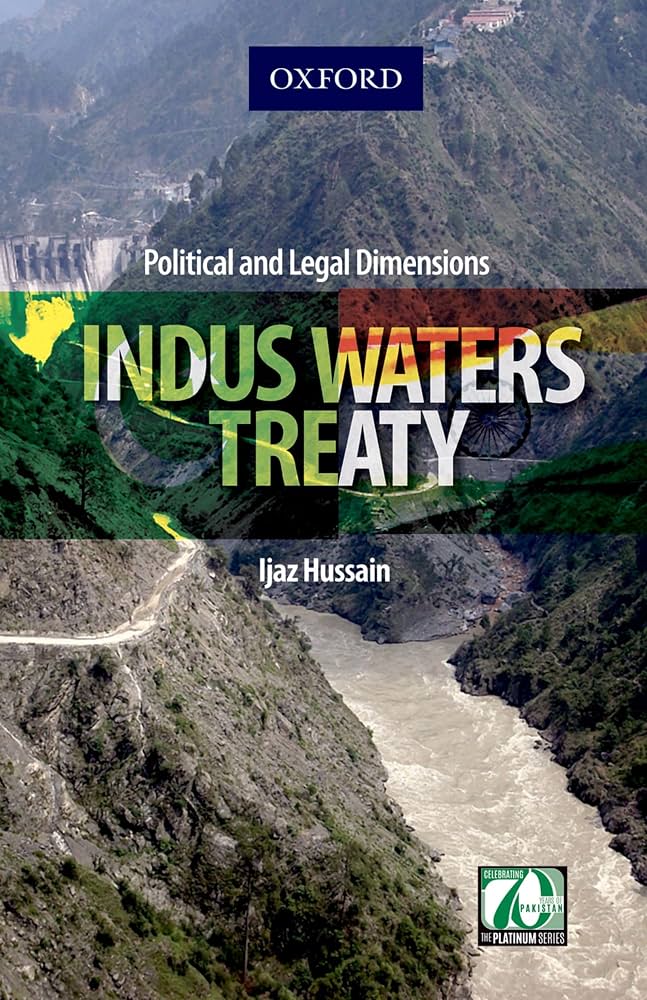
Featured image for news article
In a landmark legal development, the Permanent Court of Arbitration (PCA) at The Hague has delivered a decisive ruling affirming that the Indus Waters Treaty remains a binding international agreement. The five-member tribunal unanimously rejected India’s attempt to unilaterally suspend the six-decade-old water-sharing pact, which has served as a cornerstone for regional stability between the two nuclear-armed neighbors.
The ruling follows a period of extreme diplomatic tension. In April 2025, New Delhi announced that it would place the treaty in abeyance, citing a brutal attack on tourists in Indian-administered Kashmir that resulted in 26 civilian deaths. India conditioned the resumption of the agreement on Pakistan ending its alleged support for cross-border terrorism—a charge Islamabad has consistently and firmly denied.
Legal Authority Reaffirmed
This decision marks the first time an international judicial body has adjudicated on the legitimacy of India’s move to suspend the treaty. The PCA, an intergovernmental body operating outside the United Nations framework, asserted that India is legally obligated to adhere to its commitments, including strict adherence to regulations regarding the design and operation of hydroelectric infrastructure on rivers flowing into Pakistani territory.
Pakistan had approached the tribunal in March 2026, seeking clarity on the treaty’s status. Islamabad argued that it could not be expected to operate under an agreement that India deemed non-existent.
“The treaty remains fully in force,”
the court declared, effectively dismantling the legal justifications New Delhi had constructed to evade its treaty obligations.
India’s Non-Participation
Throughout the proceedings at the Peace Palace in The Hague, India maintained a policy of non-engagement. New Delhi rejected the jurisdiction of the PCA in this specific matter and declined to participate in the hearings conducted from April 26 to 28, 2026. Despite this boycott, the tribunal rigorously examined all arguments previously cited by India, including claims of sovereignty, demographic shifts, and the urgent necessity for clean-energy projects.
The court’s final report systematically addressed and dismissed each of India’s claims. It explicitly stated that no provision within international law grants a state the right to unilaterally abandon a treaty based on sovereign preference or national security grievances.
An Uncertain Path Ahead
While the ruling represents a significant legal and diplomatic triumph for Pakistan, the practical implications remain shrouded in doubt. Because India has flatly rejected the findings of the court, the enforcement of this decision faces immense hurdles. The reality of international law often clashes with the political interests of powerful states, leaving the future of the Indus waters in a state of suspended animation.
As both nations grapple with the aftermath of this ruling, the core issues of water security and geopolitical rivalry continue to dominate the discourse. For Pakistan, the victory provides a firm legal anchor; for India, the verdict is a challenge to its policy of strategic autonomy regarding transboundary water resources.