Libya’s New UN-Backed Roadmap Aims to End Political Rift
After 15 years of persistent civil turmoil, Libya stands at a potential turning point. A newly unveiled 4+4 agreement , brokered by the United…
Featured image for news article
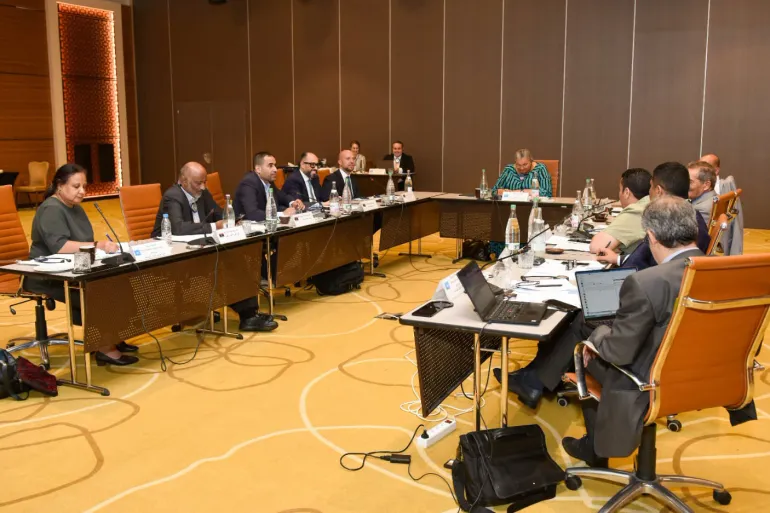
After 15 years of persistent civil turmoil, Libya stands at a potential turning point. A newly unveiled 4+4 agreement, brokered by the United Nations Support Mission in Libya (UNSMIL), seeks to bridge the chasm between the nation’s long-standing rival factions. This landmark initiative aims to establish a concrete roadmap, targeting the implementation of national presidential and legislative elections within a 24-month window.
The agreement was formally drafted by representatives from both eastern and western political camps during a summit in Tripoli. By focusing on resolving the deeply entrenched institutional and legal deadlocks that have paralyzed the nation since 2011, the committee hopes to restore a semblance of state functionality. However, despite the optimism surrounding the signing, the journey toward a unified government remains fraught with significant obstacles.
A History of Fractured Governance
Libya has endured a near-perpetual state of instability following the 2011 uprising that led to the death of longtime ruler Muammar Gaddafi. While initial prospects for democracy appeared promising, those hopes were quickly dashed by internal divisions. In 2012, the National Transitional Council oversaw the country’s first peaceful power transfer to the General National Congress, an event that remains a rare bright spot in the nation’s post-revolutionary history.
The democratic momentum proved unsustainable as the country fractured into competing power bases. By May 2014, renegade military commander Khalifa Haftar had secured control of Benghazi, effectively splitting the nation’s administrative reach. Subsequent parliamentary disputes saw the emergence of the House of Representatives in Tobruk, which aligned itself with Haftar’s military influence, creating a parallel government structure that challenged the authority of the Tripoli-based administration.
Stagnation and Ceasefire
The rivalry escalated into open warfare in April 2019, when Haftar initiated a 14-month military offensive aimed at capturing Tripoli. The capital was then the seat of the UN-recognized Government of National Accord (GNA). The conflict eventually reached a stalemate near the city of Sirte, leading to a formal ceasefire in 2020. While the fighting stopped, the political fracture remained wide open.
Currently, the country’s governance is split between two primary entities:
- The Tripoli-based authority, which includes the GNA headed by interim Prime Minister Abdul Hamid Dbeibah, the High Council of State led by Mohammed Takala, and the Presidential Council chaired by Mohammad al-Manfi.
- The eastern administration in Tobruk and Benghazi, anchored by House of Representatives Speaker Aguila Saleh and supported by the self-styled Libyan National Army.
“The path from a signed document to a unified government remains fraught with challenges,” observers noted, citing the deep-seated mistrust and the presence of entrenched armed factions across the territory.
Whether this new committee can overcome years of suspicion to facilitate a peaceful transition remains the defining question for Libya’s future. For now, the eyes of the international community remain fixed on whether this agreement will translate into actual stability or remain another unfulfilled promise in the nation’s complex history.