Iceland Rejects EU Talks: Voters Choose Independence
Icelandic voters have signaled a definitive preference for maintaining the nation’s current geopolitical trajectory, rejecting a proposal to resume…
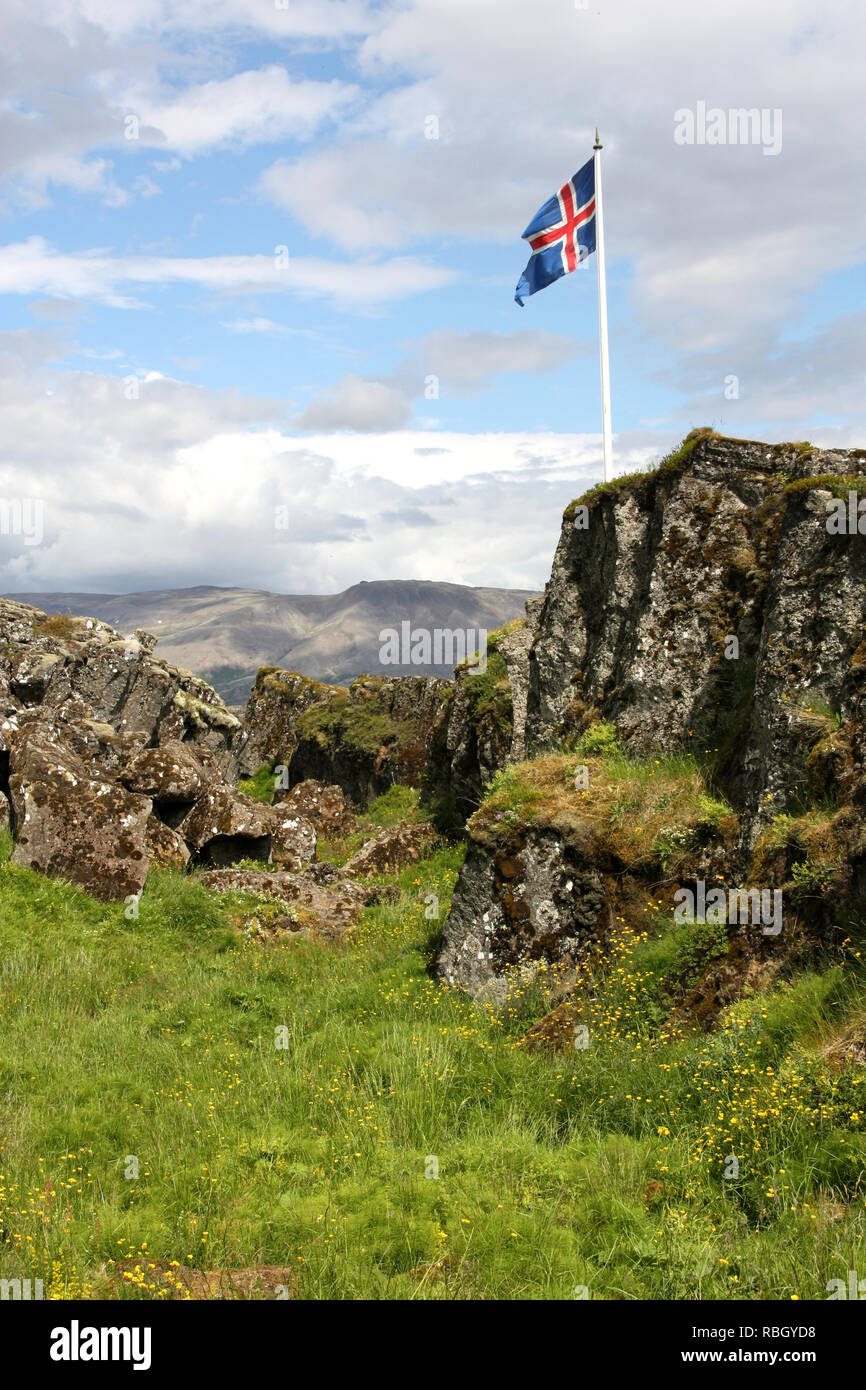
Featured image for news article
Icelandic voters have signaled a definitive preference for maintaining the nation’s current geopolitical trajectory, rejecting a proposal to resume formal accession negotiations with the European Union. According to data provided by the national broadcaster RUV, the “no” campaign secured 52.5 percent of the vote, effectively stalling the government’s push for a closer alliance with the 27-country bloc.
The referendum, while not a direct vote on EU membership itself, served as a critical pulse check on whether the island nation should revive talks that were suspended over a decade ago. With almost all ballots tallied, the results reflect a narrow but clear divide within the electorate regarding the future of Iceland’s international relationships.
The Context of the Vote
The current coalition government, led by Prime Minister Kristrun Frostadottir, had championed the referendum as a pivotal “now or never” opportunity. Proponents of the move argued that reopening negotiations would provide Iceland with a necessary buffer against mounting economic volatility and shifting security dynamics in the Arctic region.
However, the skepticism among the public proved difficult to overcome. The debate leading up to the vote was characterized by intense disagreements over the potential impact of membership on the country’s domestic affairs, particularly the management of its vital natural resources.
Sovereignty and Industry Concerns
At the heart of the opposition’s campaign was the protection of Iceland’s lucrative fishing waters. Opponents argued that joining the EU would undermine national sovereignty and place control over these essential maritime assets into the hands of regulators in Brussels. This sentiment resonated deeply with those who prioritize domestic autonomy over supranational integration.
“These are not problems that Brussels will solve for us. These are problems that Icelandic politicians must solve,” said opposition leader Gudrun Hafsteinsdottir during the campaign.
This stance highlighted a broader ideological split: those seeking external institutional support versus those advocating for self-reliant governance. For many voters, the prospect of ceding regulatory power was viewed as too high a price to pay, even with the promise of broader economic stability.
What Happens Next?
Although the referendum is technically nonbinding, Prime Minister Frostadottir has committed to respecting the will of the voters. Consequently, the government’s efforts to pursue EU integration will likely be shelved for the foreseeable future. This development marks a significant political setback for the current administration, which had staked much of its agenda on international expansion.
The historical backdrop of this decision is rooted in the 2009 financial crisis, which initially drove Iceland toward the EU. After negotiations were suspended in 2013 due to the rise of a eurosceptic government, the debate has remained largely dormant until recent efforts to restart the process. As the dust settles on this latest vote, the nation must now pivot toward addressing its economic and geopolitical challenges through purely domestic channels, leaving its relationship with Europe unchanged.