Iran Diplomatic Push: Mediators Seek War De-escalation
A flurry of high-level diplomatic activity has descended upon Tehran this week, signaling a potential shift toward de-escalation in the ongoing…
Featured image for news article
A flurry of high-level diplomatic activity has descended upon Tehran this week, signaling a potential shift toward de-escalation in the ongoing conflict between Iran and the United States. As international mediators scramble to revive stalled peace efforts, regional powers are leading a concerted push to bring the warring parties back to the negotiating table. The latest developments suggest that both sides may be assessing the mounting economic and political costs of a conflict that has left both nations declaring victory while suffering from systemic instability.
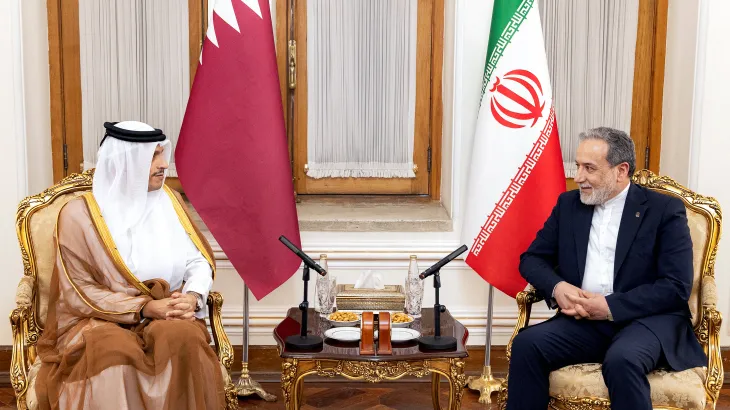
Qatari Prime Minister Sheikh Mohammed bin Abdulrahman bin Jassim Al Thani arrived in Tehran on Thursday for critical high-level talks. As both the Prime Minister and Foreign Minister of Qatar, Sheikh Mohammed is spearheading efforts to restore a framework for dialogue. His agenda includes addressing the Strait of Hormuz crisis, a vital maritime artery that has remained largely shuttered since early March. The closure of this strategic waterway, which previously accounted for over one-fifth of global energy transit, has sent international markets into a tailspin.
Regional Mediators Intensify Efforts
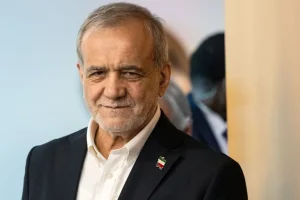
The Qatari visit follows a series of strategic meetings held by other regional stakeholders. On Monday, Pakistan’s army chief, Asim Munir, engaged in discussions with top-tier Iranian leadership, including President Masoud Pezeshkian and Parliament Speaker Mohammad Bagher Ghalibaf. The talks also involved General Mohsen Rezaei, the recently appointed secretary of Iran’s Supreme National Security Council, highlighting a coordinated attempt to solidify regional security through back-channel diplomacy.
“We aim to create the conditions conducive to dialogue,” a spokesperson for the Qatari delegation stated regarding the mission to bridge the divide between Washington and Tehran.
Furthermore, Oman’s Foreign Minister Badr Albusaid met with his Iranian counterpart, Abbas Araghchi, on Tuesday. The primary focus of these negotiations has been the shared governance of the Strait of Hormuz. Iranian Deputy Foreign Minister Kazem Gharibabadi revealed that a temporary shipping route has been proposed, allowing vessel entry through Iranian waters and granting Tehran partial oversight of exit routes. However, Iran remains adamant that a full reopening of the strait is contingent upon the United States lifting sanctions and unfreezing Iranian assets.
Fragile Path to Peace
Qatar remains a pivotal broker in this geopolitical puzzle, having successfully facilitated a memorandum of understanding (MoU) last June that briefly halted hostilities. While that agreement has since expired, the current diplomatic momentum suggests a renewed urgency. Analysts observe that while hardline posturing remains prevalent in both Washington and Tehran, the crippling economic strain of the ongoing military confrontation is forcing a pragmatic re-evaluation of current strategies.
As the international community watches closely, the success of these mediation efforts hinges on whether the involved parties can move beyond performative declarations of victory. With energy markets still reeling and military tensions simmering, the pressure to reach a sustainable status quo before the situation deteriorates further has never been greater.