Tehran Accuses US of Colonial Tactics Over New Sanctions
Tensions between Washington and Tehran have reached a fever pitch as Iranian officials launch a fierce diplomatic counter-offensive against the…
Tensions between Washington and Tehran have reached a fever pitch as Iranian officials launch a fierce diplomatic counter-offensive against the latest round of aggressive United States economic sanctions. Foreign Ministry spokesman Esmaeil Baghaei recently condemned the policy, characterizing the move as a “complete erosion of sovereignty” that threatens the established international order. The rhetoric signals a significant breakdown in diplomatic channels, as the current administration in Washington prepares to enforce what it describes as the most severe economic pressure campaign in modern history.
The core of the dispute lies in the United States’ mandate that any nation, bank, or private enterprise maintaining commercial ties with Iran will face tremendous economic consequences. Speaking via social media, Baghaei argued that such directives constitute an illegal assertion of extraterritorial power, effectively attempting to dictate the foreign policy of other sovereign UN member states. He warned that this approach is nothing short of a “recipe for an abysmal return to full-scale classic colonialism,” challenging the legitimacy of the US to police global commerce.
The Economic War Escalates
The White House has remained steadfast in its commitment to isolating the Iranian economy. US Treasury Secretary Scott Bessent bolstered the president’s aggressive stance last Thursday, bluntly stating that foreign partners are effectively being forced to choose sides.
“The new sanctions regime will collapse Iran; countries are either with us or against us,”
Bessent declared. This ultimatum has sent shockwaves through global markets, particularly as the US Navy continues its strict blockade of Iranian ports, leaving the Strait of Hormuz effectively paralyzed.
Iranian leadership has responded with a mixture of defiance and historical cynicism. Foreign Minister Abbas Araghchi dismissed the threats as ineffective, noting that the country has navigated decades of economic isolation. “We have seen this movie before,” Araghchi stated, highlighting the repetitive nature of US foreign policy. Despite the intensity of the rhetoric, Iranian officials suggest that the proposed measures are “bound to fail,” banking on the resilience of their existing trade networks and domestic industrial capabilities.
Strait of Hormuz Gridlock
The impact of the ongoing conflict is most visible at sea, where the vital shipping lanes of the Strait of Hormuz have become a ghost town. Ship-tracking data indicates that traffic has virtually ceased, with only four commodity ships navigating the passage on Thursday. The blockade has left thousands of seafarers stranded aboard hundreds of vessels, creating a growing humanitarian and logistical crisis. The standoff has effectively bottled up regional energy transit, further complicating the global supply chain for crude oil and liquefied natural gas.
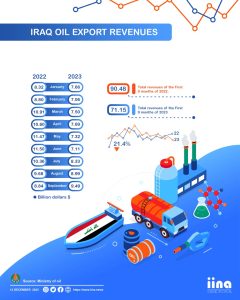
Amidst the blockade, there are minor signs of diplomatic flexibility. Recent reports from the Iranian state news agency IRNA confirmed that Tehran has granted special passage permissions to a limited number of Iraqi oil tankers. This decision followed persistent requests from Baghdad, highlighting the complex web of regional dependencies that persist even during active conflict. This concession serves as a rare, localized departure from the total maritime lockdown currently enforced by American naval assets.
As the conflict unfolds, the US administration remains in a “wait and see” posture regarding the potential for future negotiations. While the President has indicated an openness to a deal, he maintains that the current Iranian position is insufficient. For now, the prospect of a breakthrough remains slim, as both nations appear entrenched in a war of nerves that shows no signs of cooling down in the immediate future.
SUMMARY:
- Iran characterizes new US sanctions as a return to “classic colonialism” and a violation of sovereign rights.
- US officials have issued an ultimatum to global markets, stating nations are “either with us or against us.”
- The Strait of Hormuz remains under a US naval blockade, causing a near-total halt in regional shipping traffic.
- Tehran granted limited access to Iraqi tankers, marking a rare exception to the ongoing maritime restrictions.
- The Iranian Foreign Ministry maintains that the new economic measures are destined to fail based on historical experience.